
Grocery · 32 oz
Fresh Lemons for Zest and Juice
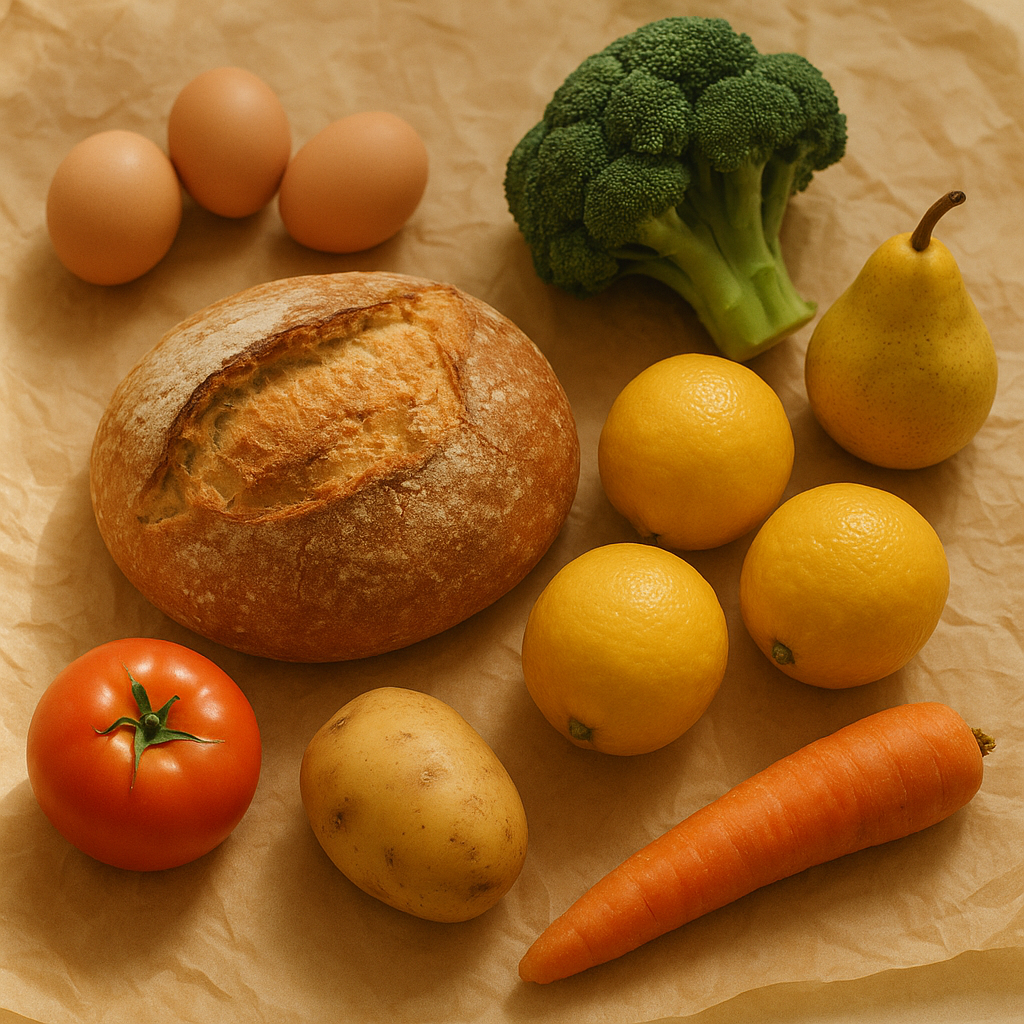
What it is
These are fresh lemons, a citrus fruit known for its bright yellow rind and tart, acidic juice. They are a versatile ingredient used in both sweet and savory cooking. The zest, the outer colored part of the peel, contains fragrant oils that add a distinct aroma and flavor to dishes. The juice provides a sharp, refreshing taste that can balance richness and cut through fat. Lemons are typically oval-shaped with a bumpy texture on the skin.
How people cook with it
Lemons are a staple in kitchens worldwide, adding a burst of flavor to a wide array of recipes.
- Zesting for baking and cooking
- Juicing for marinades and dressings
- Adding to beverages
- Garnishing dishes
To extract the most juice, roll the lemon firmly on a countertop before cutting it in half. The zest can be carefully removed with a microplane or a zester, avoiding the bitter white pith. Lemon juice can be squeezed directly into sauces, soups, or drinks. The halves can also be used as a visual garnish or to infuse water. For baking, the zest is often combined with sugar to release its essential oils, enhancing the overall aroma and taste of cakes, cookies, and pastries.
How it differs from similar foods
Compared to limes, lemons generally have a more pronounced sourness with less floral notes. Their acidity is often perceived as cleaner and brighter, making them a preferred choice for brightening delicate flavors or in recipes where a pure citrus tang is desired.
Who it is for
Home cooks and professional chefs alike rely on lemons for their essential flavor profile.
How to keep the rest
Store any unused lemons at room temperature for a few days, or in the crisper drawer of your refrigerator for up to a month. For longer storage, you can freeze lemon juice in ice cube trays or zest and freeze the peel in an airtight container.