
Grocery
Fresh Lemons
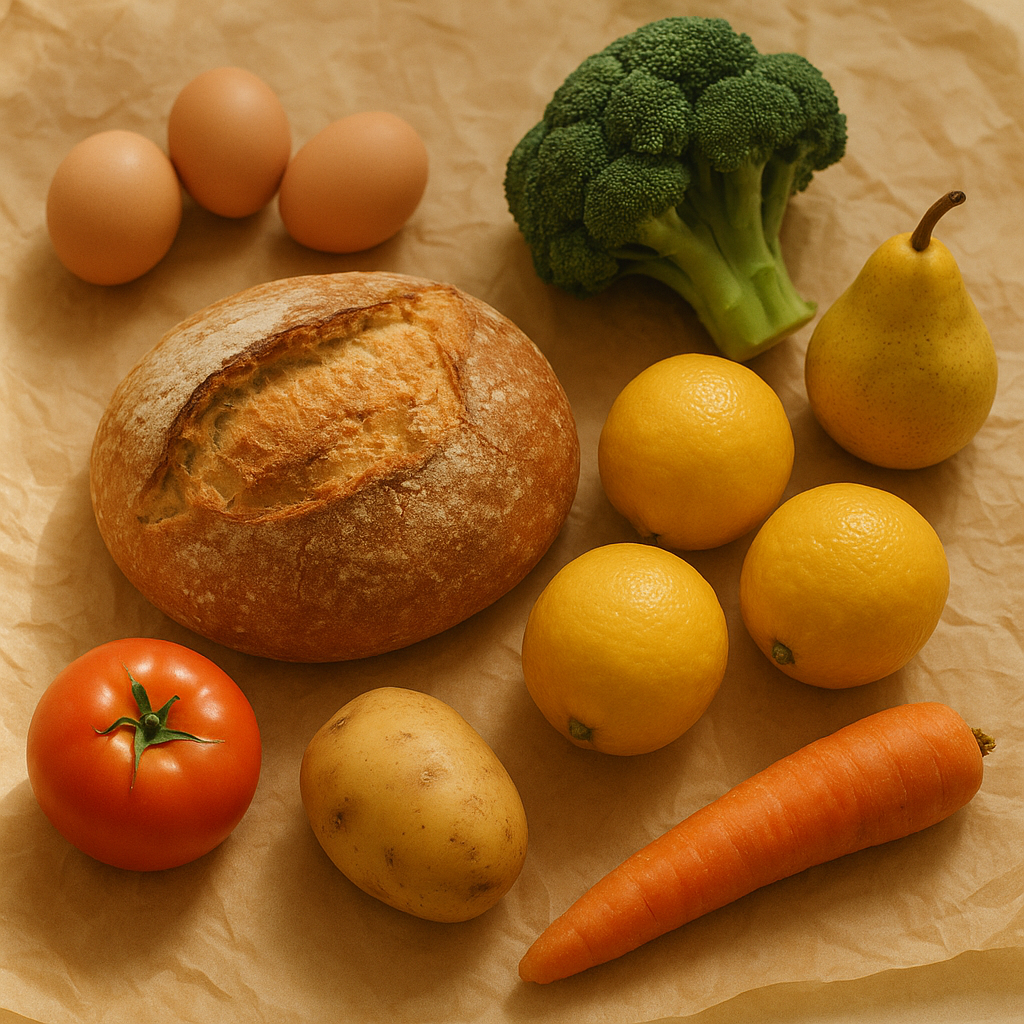
What it is
These are bright yellow citrus fruits, known for their distinctive tart and acidic flavor. They are oval-shaped with a textured rind that holds aromatic oils. Lemons are a versatile ingredient, adding a zesty punch to both sweet and savory dishes. Their juice and zest are commonly used in cooking and baking, providing a refreshing counterpoint to richer flavors. They are a staple in many kitchens for their bright taste and aroma.
How people cook with it
Lemons are a fundamental ingredient for adding brightness and acidity to a wide range of culinary creations.
- Zesting for baking
- Juicing for marinades
- Adding to beverages
- Flavoring sauces
To extract the most juice, roll the lemon firmly on a countertop before cutting it in half. The zest can be finely grated using a microplane or zester, being careful to only remove the yellow outer layer and avoid the bitter white pith. Lemon juice can be squeezed directly into dishes, used in dressings, or added to drinks. The zest provides a concentrated citrus aroma and flavor, perfect for infusing into baked goods, custards, or finishing sauces. It's a simple way to elevate everyday meals.
How it differs from similar foods
Compared to limes, lemons offer a less sharp, more floral acidity. Their flavor profile is generally considered more balanced and less intensely sour. While both are acidic, the specific notes of lemon are distinct and lend themselves to different applications where a milder citrus tang is desired.
Who it is for
Home cooks and professional chefs alike use lemons to brighten and balance their dishes.
How to keep the rest
Store whole, unwashed lemons at room temperature for a few days, or refrigerate them in a produce bag for up to a month. Once cut, wrap the halves tightly in plastic wrap or place them in an airtight container in the refrigerator. Refrigerated lemon juice can be kept for several days.