
Grocery
Fresh Lemons
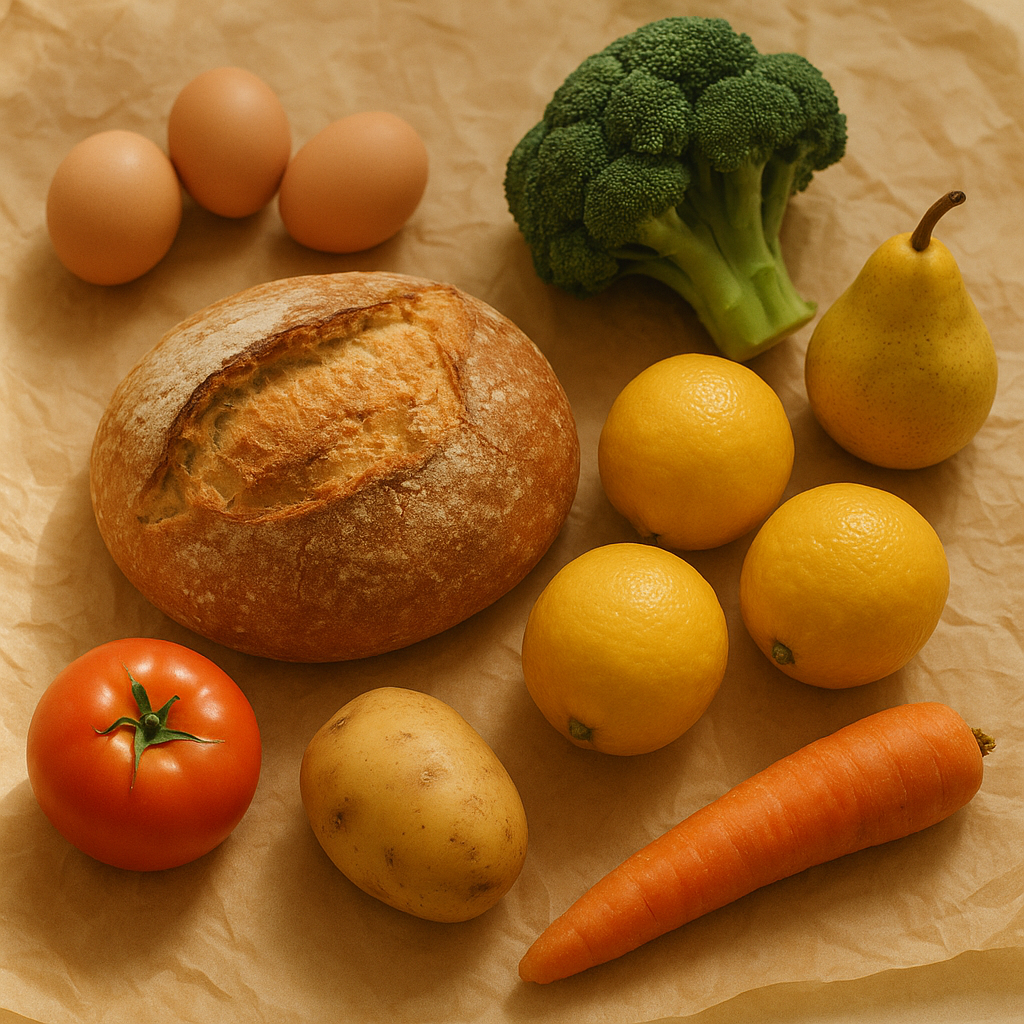
What it is
These are bright yellow citrus fruits, known for their distinctive tart and acidic flavor. They grow on trees and are a versatile ingredient in many kitchens. Their zest contains fragrant oils that add a unique aroma to dishes. The juice is a key component in countless recipes, providing a refreshing tang. Lemons are often used for their bright color as well as their taste.
How people cook with it
Lemons are a staple for adding brightness and acidity to both sweet and savory preparations. Their juice and zest are commonly employed in cooking and baking.
- Zesting for baking
- Juicing for marinades
- Flavoring drinks
- Garnishing dishes
To extract the most juice, gently roll the lemon on a countertop before cutting it in half. The zest can be carefully removed with a microplane or fine grater, avoiding the bitter white pith. Lemon juice can be squeezed directly into sauces, dressings, or batters. The zest adds a fragrant punch to cakes, cookies, and rubs for meats and fish. Both components can be used fresh or preserved for later use.
How it differs from similar foods
Compared to limes, lemons generally have a more pronounced sourness with less bitterness. Their aroma is also typically more floral. While both are acidic, the specific flavor profile of a lemon is distinct and cannot be perfectly substituted in all applications.
Who it is for
Home cooks and professional chefs alike rely on lemons for their essential flavor contributions.
How to keep the rest
To keep fresh lemons at their best, store them in a cool, dry place like a fruit bowl on the counter for about a week. For longer storage, place them in a plastic bag in the crisper drawer of your refrigerator, where they can last for several weeks.