
Grocery
Fresh Lemons for Zest and Juice
What it is
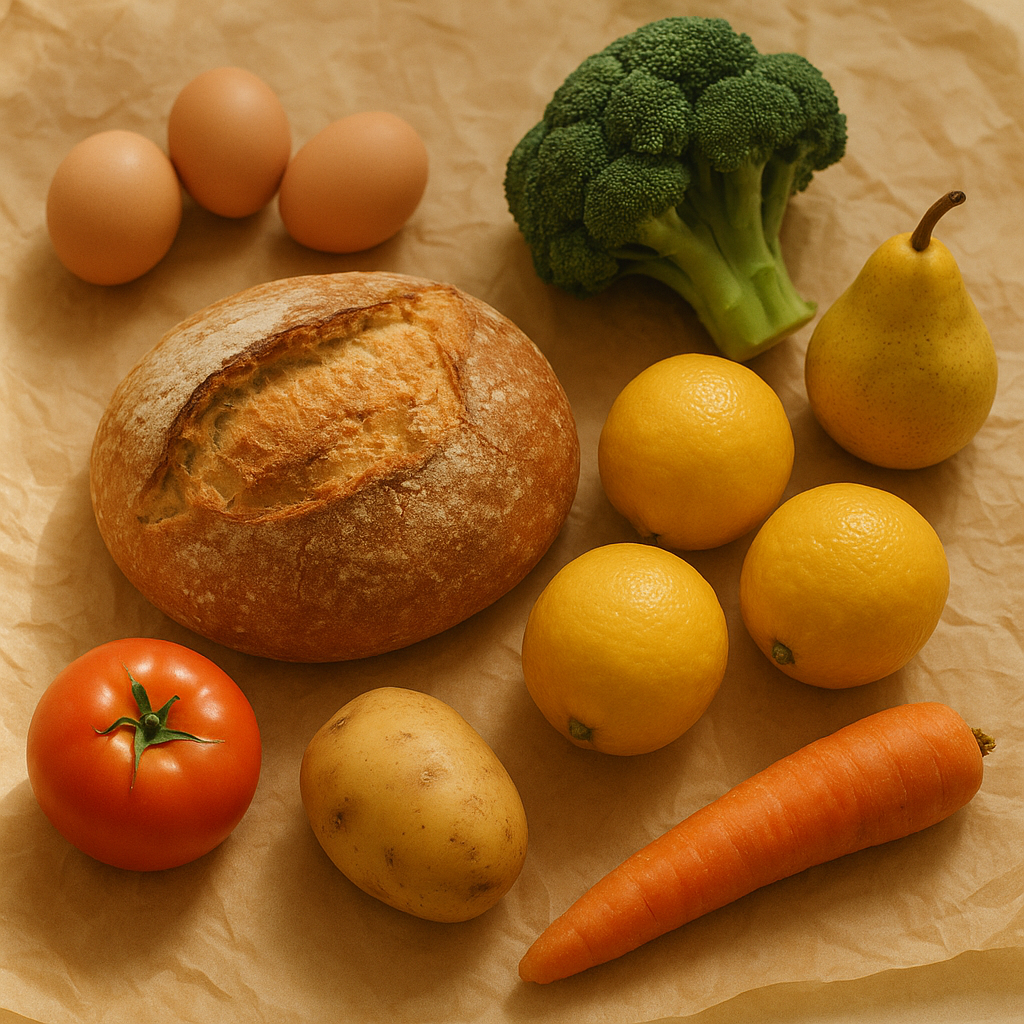
This is a whole, fresh lemon, a bright yellow citrus fruit known for its tart flavor and fragrant aroma. It is oval-shaped with a pebbly rind that contains essential oils. Inside, the flesh is divided into segments filled with juice. Lemons are a versatile ingredient, adding a distinctive tang to both sweet and savory dishes. Their vibrant color also makes them an attractive garnish.
How people cook with it
Lemons are a staple in many kitchens, used to brighten flavors and add acidity to a wide range of culinary creations.
- Zesting for desserts
- Juicing for marinades
- Adding to beverages
- Flavoring sauces
To extract the most juice, gently roll the lemon on a countertop before cutting it in half. The zest, the outer yellow layer of the rind, can be removed with a microplane or zester, being careful to avoid the bitter white pith underneath. Lemon juice can be squeezed directly into dishes or used as a base for dressings and marinades. The zest adds a concentrated citrus perfume without the liquid. Both juice and zest can be used in baking, cooking, and drink preparation.
How it differs from similar foods
Compared to limes, lemons generally have a more pronounced sourness and a less floral aroma. Their acidity is often perceived as cleaner and sharper, making them ideal for cutting through richness in dishes.
Who it is for
Home cooks and professional chefs alike rely on lemons to enhance their recipes.
How to keep the rest
Store fresh lemons at room temperature for about a week, or in the refrigerator for up to a month to extend their freshness. Keep them in a produce bag to help retain moisture. Once cut, wrap the remaining portion tightly in plastic wrap.