
Grocery
Fresh Lemons for Zest and Juice
What it is
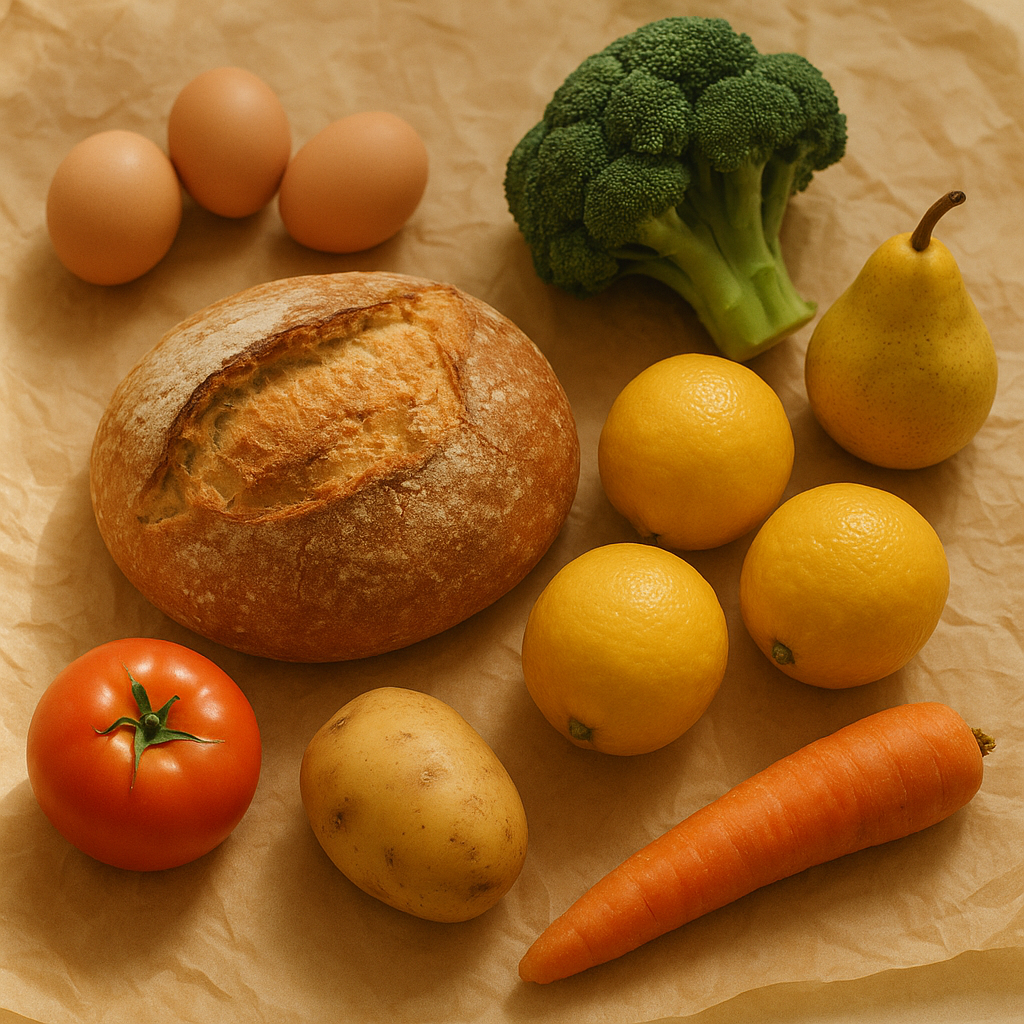
This is a whole, fresh lemon, a common citrus fruit known for its bright yellow rind and tart, acidic juice. Lemons are oval-shaped and have a distinct aroma. They are a versatile ingredient in both sweet and savory cooking, adding a refreshing tang to dishes and beverages. The peel, or zest, also contains aromatic oils that can be used for flavoring.
How people cook with it
Lemons are frequently used to brighten flavors in a wide range of culinary applications. Their juice and zest are prized for their ability to cut through richness and add a lively note.
- Add to water for a refreshing drink
- Squeeze over fish or chicken
- Zest into baked goods
- Use in salad dressings
To extract the juice, cut the lemon in half and squeeze using your hands or a citrus juicer. For zest, use a microplane or fine grater to remove the yellow outer layer of the peel, avoiding the bitter white pith underneath. The zest can be added directly to batters, sauces, or marinades. The juice can be incorporated into dressings, marinades, or used as a finishing touch on cooked dishes. Lemons can also be sliced and added to water or tea.
How it differs from similar foods
Compared to limes, lemons generally have a more pronounced tartness and a less floral aroma. Their acidity is a key characteristic that distinguishes them, making them ideal for balancing sweetness and adding brightness without the same level of bitterness sometimes found in other citrus.
Who it is for
Home cooks and professional chefs alike utilize lemons to enhance the flavor profiles of their creations.
How to keep the rest
Store whole, fresh lemons at room temperature for a few days, or in the refrigerator for several weeks to prolong their freshness. Keep them in a cool, dry place. Once cut, wrap the remaining portion tightly in plastic wrap or place in an airtight container in the refrigerator.