
Grocery
Dried Lentils
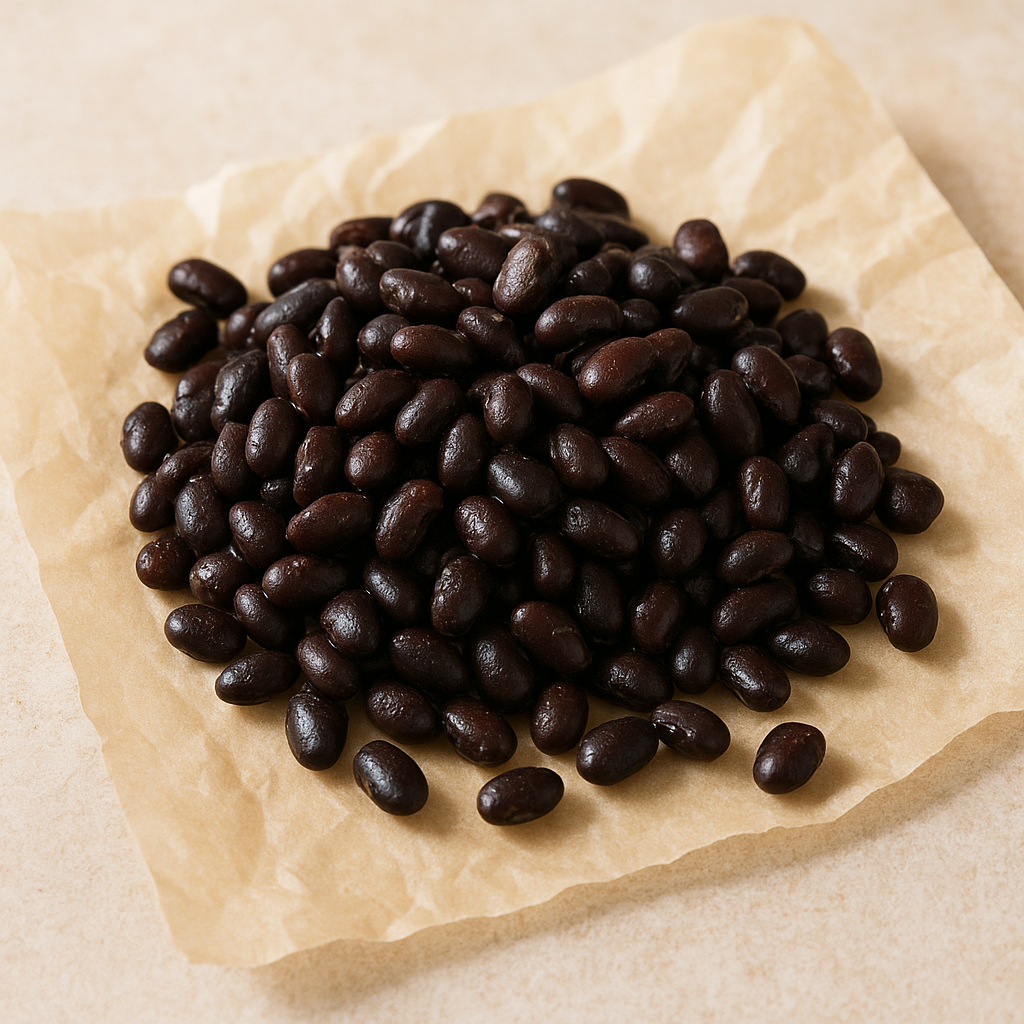
What it is
These are small, lens-shaped legumes that have been dried for preservation. They are a staple in many cuisines around the world. Lentils come in various colors, including brown, green, red, and black. Each type offers a slightly different texture and cooking time. They are a good source of plant-based sustenance. They are often used as a primary ingredient in dishes or as a hearty addition to soups and stews.
How people cook with it
Dried lentils are a versatile ingredient that can be incorporated into a wide range of meals.
- Hearty soups
- Savory stews
- Salad additions
- Side dishes
Before cooking, dried lentils typically do not require soaking, though rinsing them under cool water is recommended to remove any dust or debris. They are usually simmered in water or broth until tender. The cooking time can vary depending on the type of lentil, but most are ready in 20 to 30 minutes. They can be mashed, pureed, or left whole for texture. Lentils absorb flavors well, making them ideal for absorbing the essence of herbs, spices, and aromatics used in cooking.
How it differs from similar foods
Unlike canned lentils, dried lentils offer a longer shelf life and allow for greater control over their final texture. They also tend to be more economical. Different varieties of dried lentils have distinct cooking characteristics; for example, red lentils break down more easily, creating a creamier consistency, while green or brown lentils hold their shape better.
Who it is for
Home cooks seeking a versatile and economical pantry staple often reach for dried lentils.
How to keep the rest
To maintain their quality, store dried lentils in an airtight container in a cool, dry place away from direct sunlight. Properly stored, they can last for a year or more. Avoid storing them in humid conditions, as this can lead to spoilage. Ensure the container is sealed tightly to prevent moisture and pests from entering.