
Grocery
Evaporated Milk
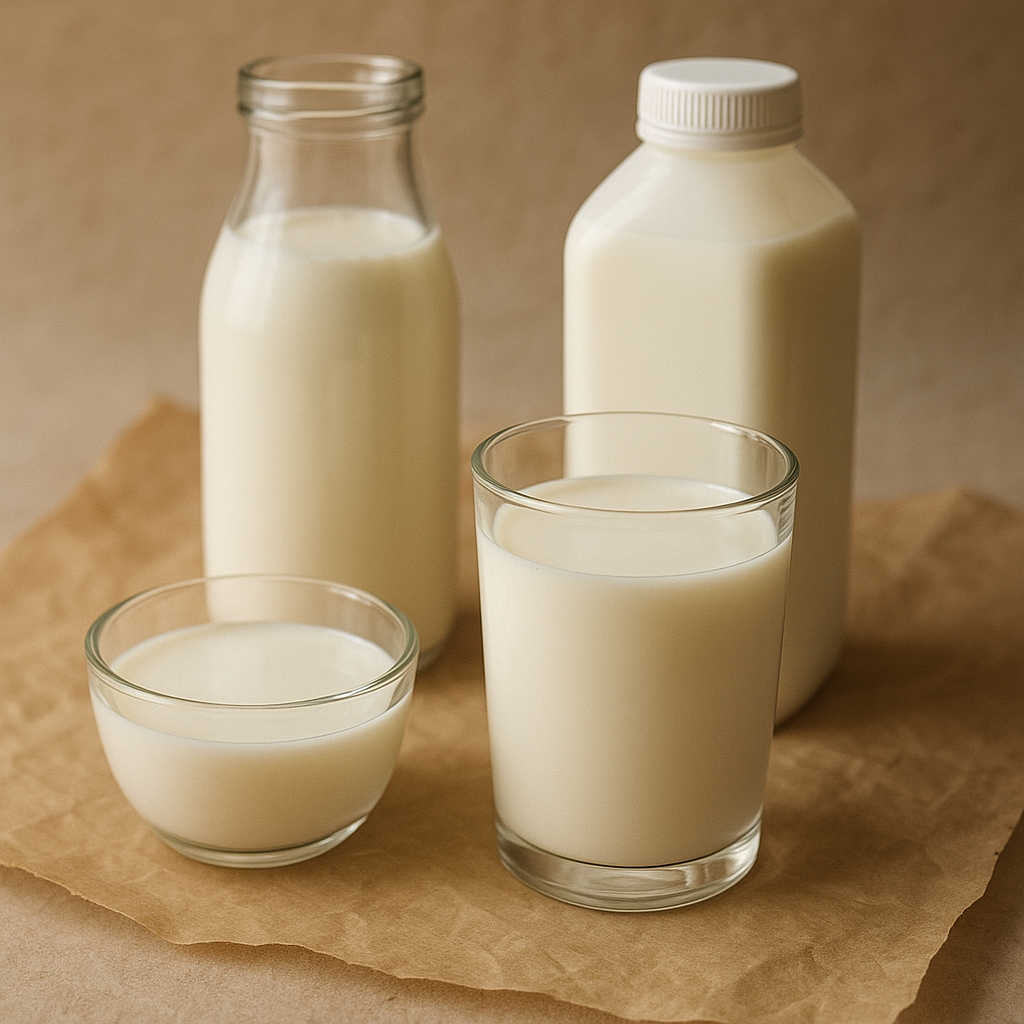
What it is
Evaporated milk is a shelf-stable dairy product made by heating milk to remove about 60% of its water content. This process concentrates the milk's solids and sugars, giving it a richer, creamier texture and a slightly caramelized flavor compared to fresh milk. It is then canned and sterilized, allowing it to be stored at room temperature for extended periods without refrigeration until opened. This makes it a convenient pantry staple for various culinary applications.
How people cook with it
Evaporated milk is a versatile ingredient that can be used to enrich both sweet and savory dishes.
- Creamy sauces
- Dessert bases
- Baked goods
- Beverage enhancers
To use evaporated milk, you can typically substitute it directly for fresh milk in many recipes, often using less liquid overall due to its concentrated nature. For a richer taste, it can be added to sauces, gravies, and soups to enhance their body and flavor. In baking, it contributes to a tender crumb and moist texture in cakes, cookies, and custards. It can also be whipped to create light toppings or incorporated into puddings and ice cream bases for a smoother consistency. For beverages, it adds creaminess to coffee, tea, or hot chocolate.
How it differs from similar foods
Compared to condensed milk, evaporated milk does not contain added sugar. It is also less concentrated than condensed milk, meaning it has a higher water content. This makes evaporated milk a good choice when you want to add richness and creaminess without making a dish overly sweet or thick.
Who it is for
Home cooks and professional chefs alike use evaporated milk to add depth and texture to their creations.
How to keep the rest
Unopened cans of evaporated milk can be stored in a cool, dry place for a long time. Once opened, any unused portion should be transferred to a sealed container and refrigerated. It should be consumed within a few days of opening to maintain its freshness and quality.