
Grocery
Classic Lasagna Noodles
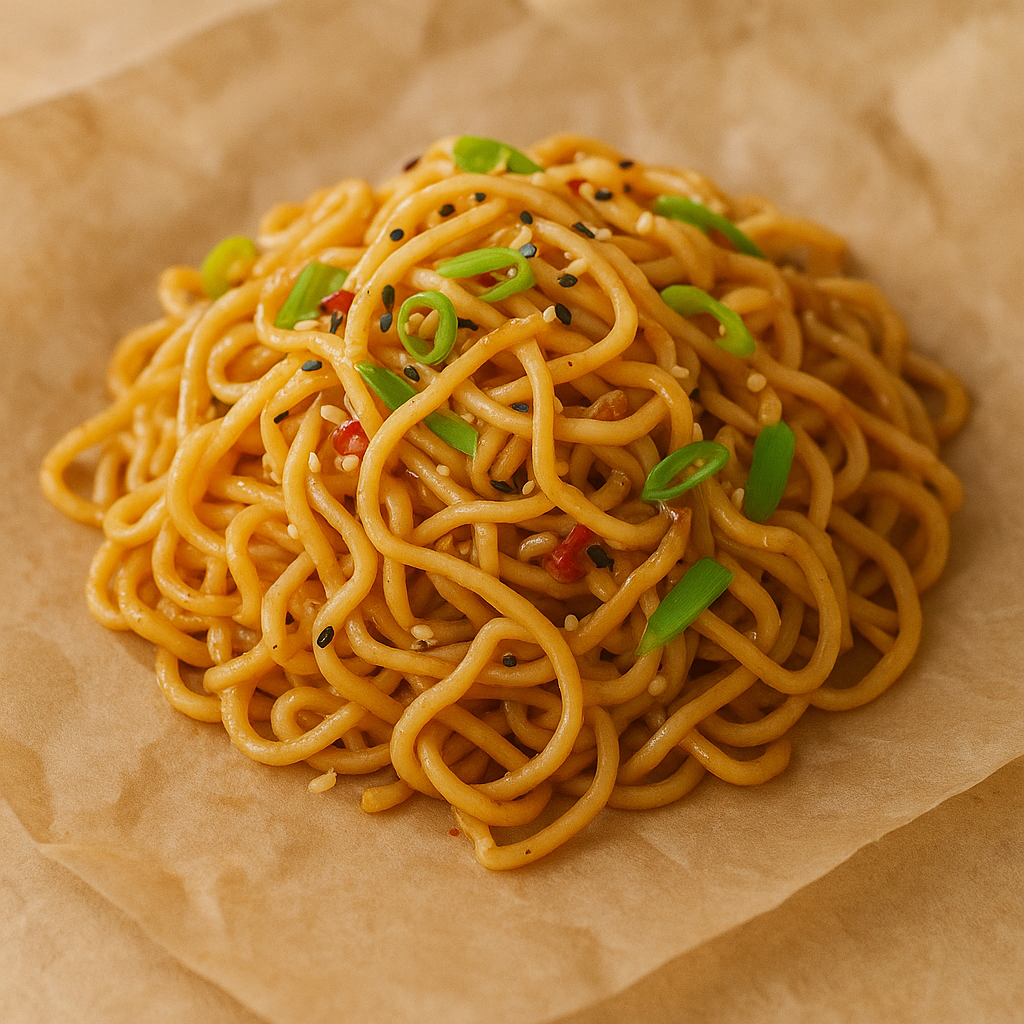
What it is
These are flat, wide pasta sheets designed specifically for layering in lasagna. They are typically made from durum wheat semolina and water, providing a sturdy base for rich sauces and cheeses. The texture is meant to soften and meld with other ingredients during baking, creating a cohesive and satisfying dish. They are a fundamental component of traditional Italian-American lasagna.
How people cook with it
Lasagna noodles are the foundation for creating baked pasta dishes. They are essential for assembling the characteristic layers that define this popular meal.
- Layering in baked pasta dishes
- Creating a hearty casserole base
- Absorbing rich sauces
- Holding together cheese and meat fillings
To prepare lasagna noodles for baking, they are typically submerged in boiling, salted water for a short period. This process softens them just enough to be pliable for layering. Some varieties are designed to be no-boil, meaning they can be used directly from the package, absorbing moisture from the sauce during baking. Regardless of type, they are arranged in alternating layers with sauce, cheese, and fillings in a baking dish before being cooked in the oven until bubbly and golden.
How it differs from similar foods
Unlike spaghetti or penne, lasagna noodles are flat and broad, designed for layering rather than simply mixing with sauce. Their shape allows them to create distinct strata within a baked dish, providing a different mouthfeel and structural integrity compared to smaller, tubular pastas.
Who it is for
Home cooks preparing traditional Italian-American comfort food often reach for these noodles.
How to keep the rest
Uncooked lasagna noodles should be stored in a cool, dry place, away from direct sunlight and moisture. Once the package is opened, ensure it is sealed tightly to maintain freshness and prevent them from becoming stale or absorbing odors from the pantry.