
Grocery
Farm Fresh Grade A White Eggs
What it is
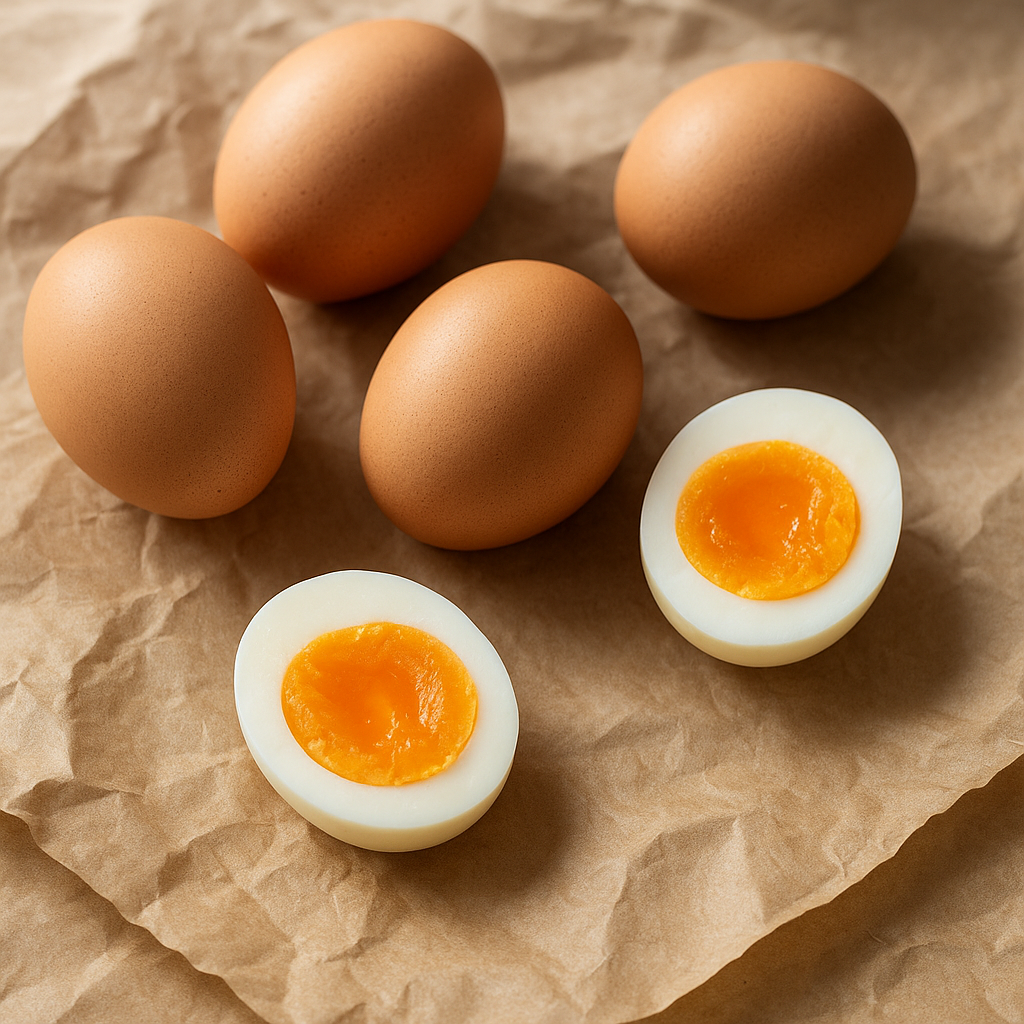
These are large, white chicken eggs, graded according to USDA standards for quality. Grade A eggs have clean, unbroken shells and firm whites with well-centered yolks. They are a versatile staple in many kitchens, providing essential components for a wide range of dishes. The size designation refers to the average weight per dozen.
How people cook with it
Eggs are fundamental for binding, leavening, and enriching baked goods. They also serve as a primary ingredient in breakfast favorites and can be a quick meal on their own.
- Scrambled for breakfast
- Baked into cakes
- Fried as a side dish
- Hard-boiled for snacks
Eggs can be prepared in numerous ways. For scrambling, whisk them with a splash of milk or water and cook gently in a lightly oiled pan. Baking often involves separating yolks and whites, with whites whipped to incorporate air for lightness. Frying is straightforward; crack an egg into a hot, greased skillet and cook to your desired doneness. They are also essential for creating custards, sauces, and mayonnaise, where their emulsifying properties are key.
How it differs from similar foods
White eggs are typically laid by white-feathered hens, while brown eggs come from brown-feathered breeds. The primary difference is the breed of the hen and sometimes the feed they consume, which can subtly influence yolk color.
Who it is for
Home cooks and professional chefs rely on eggs for their culinary adaptability.
How to keep the rest
To maintain freshness, store uncooked eggs in their original carton in the refrigerator. Keep them on an interior shelf, not in the door, where temperatures fluctuate more. Use them within the recommended timeframe for best quality.