
Grocery
Lactose-Free Milk
What it is
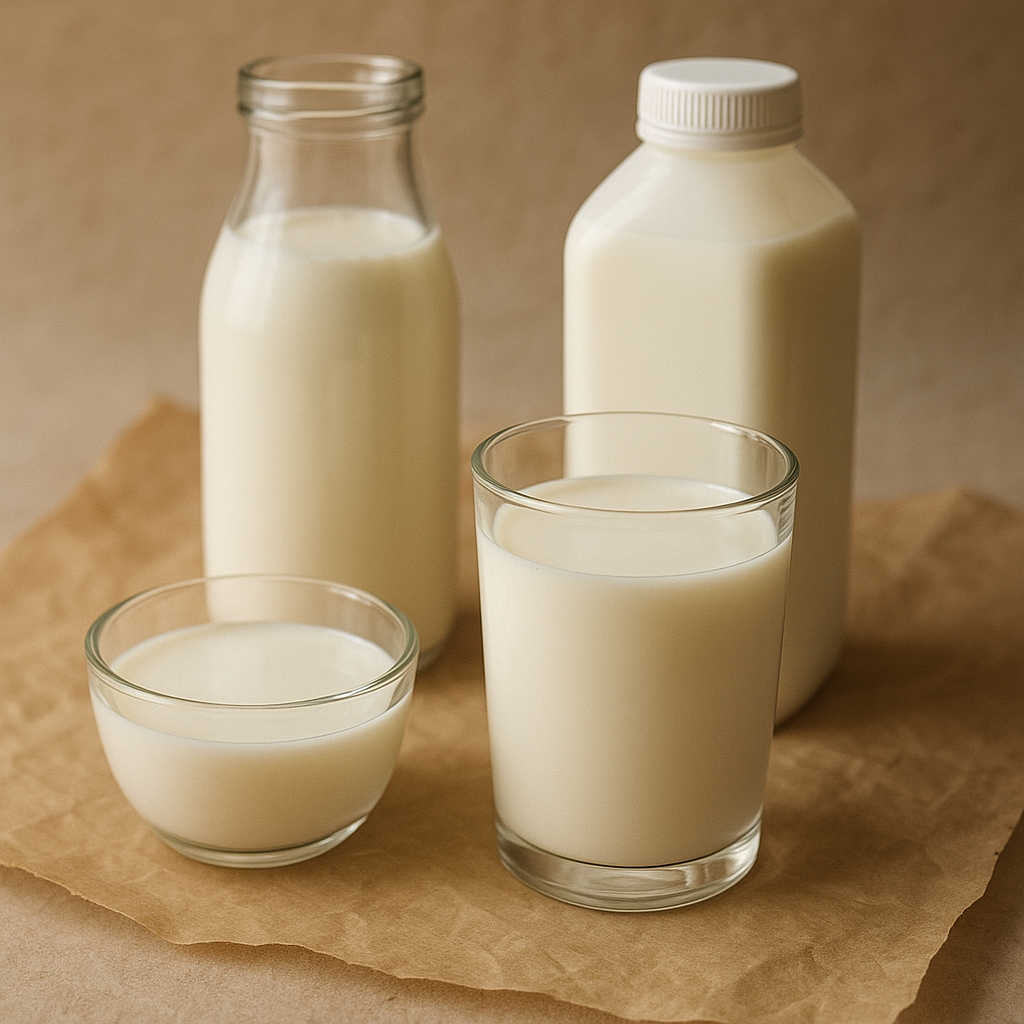
This is cow's milk that has had the lactose, a natural sugar, removed. The process involves adding an enzyme called lactase to break down the lactose into simpler sugars, glucose and galactose. This makes the milk easier to digest for individuals who are lactose intolerant. The taste is often described as slightly sweeter due to the presence of the broken-down sugars.
How people cook with it
Lactose-free milk can be used in many of the same ways as regular milk.
- In cereal
- In coffee
- For baking
- In smoothies
You can pour this milk directly over your breakfast cereal or use it as a creamer in your coffee or tea. It works well in baking recipes, such as cakes, cookies, and muffins, providing moisture and richness. It's also a great base for smoothies, milkshakes, and other blended drinks. When cooking savory dishes, it can be used in sauces, soups, or mashed potatoes to add creaminess. Its versatility makes it a simple substitute for regular milk in most culinary applications.
How it differs from similar foods
The primary difference is the absence of lactose. Regular milk contains lactose, which can cause digestive discomfort for some people. Lactose-free milk has this sugar broken down, making it more digestible. Visually and in terms of fat content, it is typically very similar to regular milk.
Who it is for
People who experience digestive discomfort after consuming regular milk often choose this option.
How to keep the rest
After opening, keep the carton refrigerated. It is best to consume the remaining milk within the timeframe indicated on the packaging, usually about seven to ten days after opening. Ensure the cap is tightly sealed to maintain freshness and prevent spoilage.