
Badia
Badia Kosher Salt
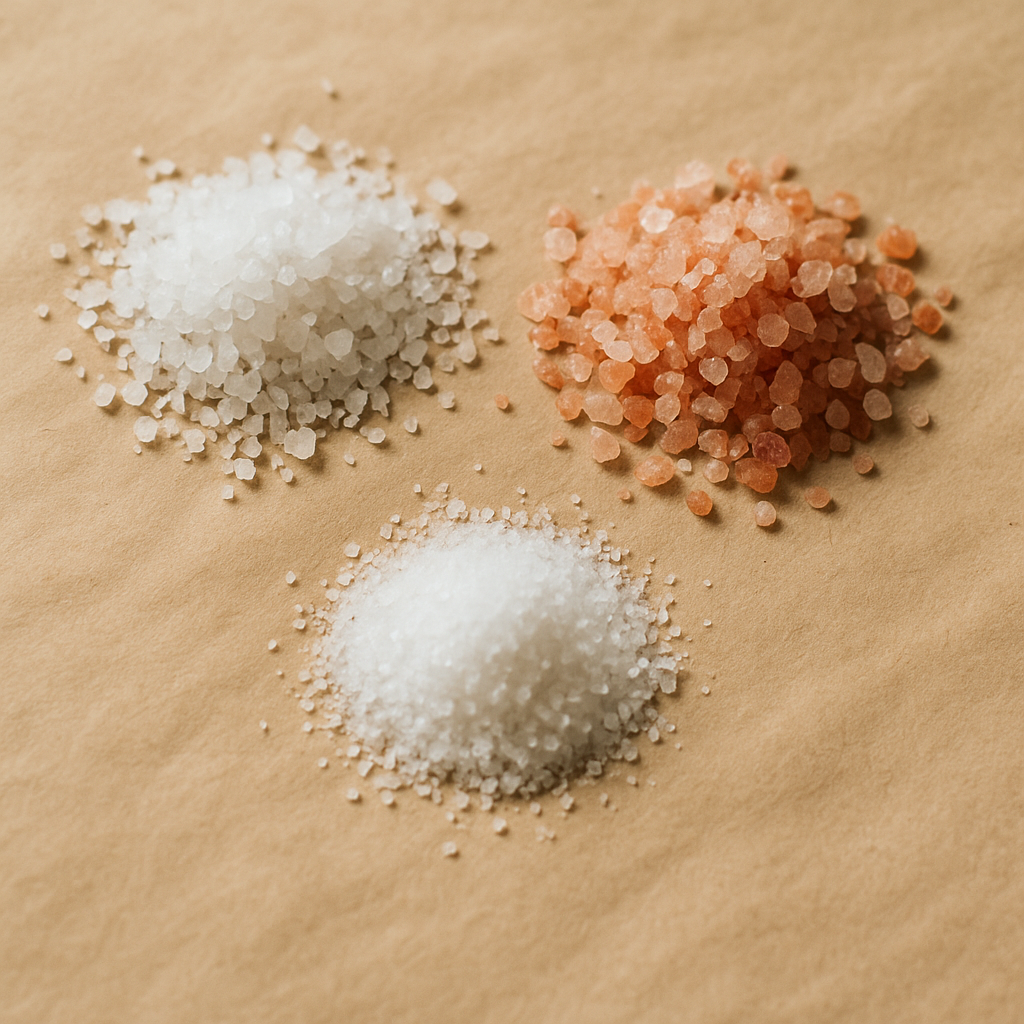
What it is
This is a coarse-grained salt that is commonly used in cooking and food preparation. Its larger crystals make it easier to handle and measure, and it dissolves more slowly than fine-grained salt. This characteristic is particularly useful for seasoning meats and controlling the saltiness of dishes. The absence of anti-caking agents means it can clump slightly, but this does not affect its quality or performance in the kitchen.
How people cook with it
Kosher salt is a versatile ingredient that enhances the flavor of a wide range of foods. Its unique texture and saltiness make it a preferred choice for many culinary applications.
- Seasoning meats before cooking
- Brining poultry and pork
- Adding a finishing touch to baked goods
- Controlling saltiness in sauces and stews
When cooking, kosher salt is often used to draw out moisture from meats, creating a better sear and a more flavorful crust. It is also excellent for brining, where it helps to tenderize and season proteins throughout. In baking, its larger crystals can be used for decorative purposes on cookies and breads, or to add a subtle salty contrast to sweet flavors. For everyday cooking, it's ideal for adjusting the salt level in soups, stews, and sauces, allowing for precise control over the final taste profile of your dishes.
How it differs from similar foods
Compared to table salt, kosher salt has larger, irregular crystals. This means it has a less intense flavor per volume, making it easier to control the amount of salt you add. Table salt is also typically iodized, which can impart a slight metallic taste that kosher salt lacks.
Who it is for
Home cooks and professional chefs alike rely on kosher salt for its ease of use and reliable seasoning properties.
How to keep the rest
To keep the rest of the kosher salt fresh, store it in a cool, dry place in its original container or an airtight canister. Ensure the lid is tightly sealed to prevent moisture absorption, which can cause clumping. Proper storage will maintain its texture and flavor for extended periods.