
Badia
Badia Kosher Salt
What it is
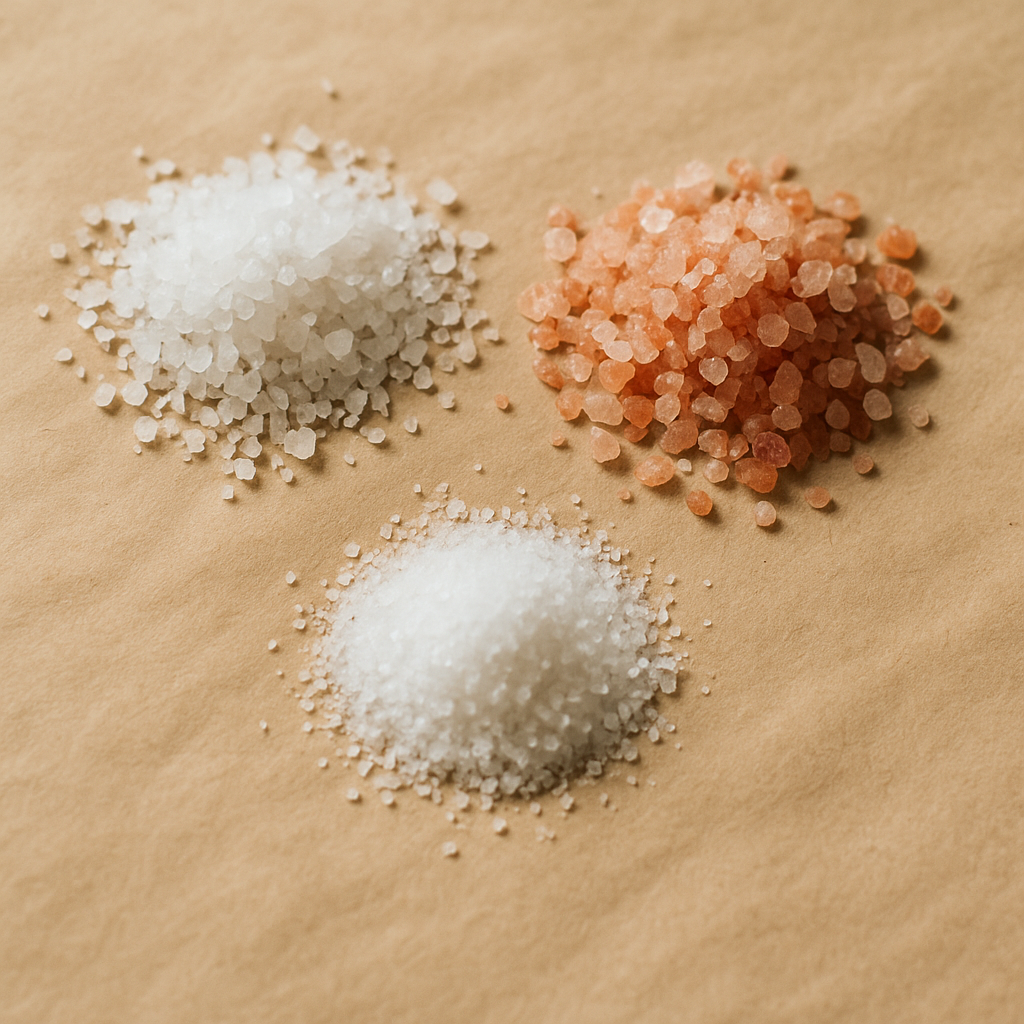
This is a coarse-grained salt that is commonly used in cooking and food preparation. Its larger crystals make it easier to handle and measure than fine-grained table salt. The name "kosher" refers to its use in the koshering process of meat, where its coarseness helps draw out blood. However, it is not exclusively used for kosher purposes and is a popular choice for general seasoning in kitchens worldwide.
How people cook with it
Kosher salt is a versatile seasoning that enhances the flavor of a wide range of dishes. Its texture and size make it ideal for various culinary applications.
- Seasoning meats before cooking
- Enhancing the flavor of vegetables
- Brining poultry and pork
- Adding a finishing touch to baked goods
When cooking, kosher salt is often used to season meats, poultry, and fish. Its coarse grains adhere well to surfaces, allowing for even distribution of flavor. It can be rubbed directly onto food or used in marinades and brines to help tenderize and impart taste. For vegetables, it can be sprinkled on before roasting or steaming to bring out their natural sweetness. It's also useful for adding a textural contrast and a burst of saltiness to finished dishes, such as caramel or chocolate desserts.
How it differs from similar foods
Compared to table salt, kosher salt has larger, irregular crystals and lacks iodine. This difference in crystal size affects how it dissolves and how much salt is actually measured by volume. Table salt is denser and more concentrated, meaning you need less of it to achieve the same level of saltiness.
Who it is for
Home cooks and professional chefs alike choose kosher salt for its ease of use and reliable seasoning capabilities.
How to keep the rest
To maintain its quality, store kosher salt in a cool, dry place away from direct sunlight and moisture. Ensure the container is tightly sealed to prevent clumping and the absorption of odors from other ingredients in your pantry.