
Grocery
Coarse Kosher Salt
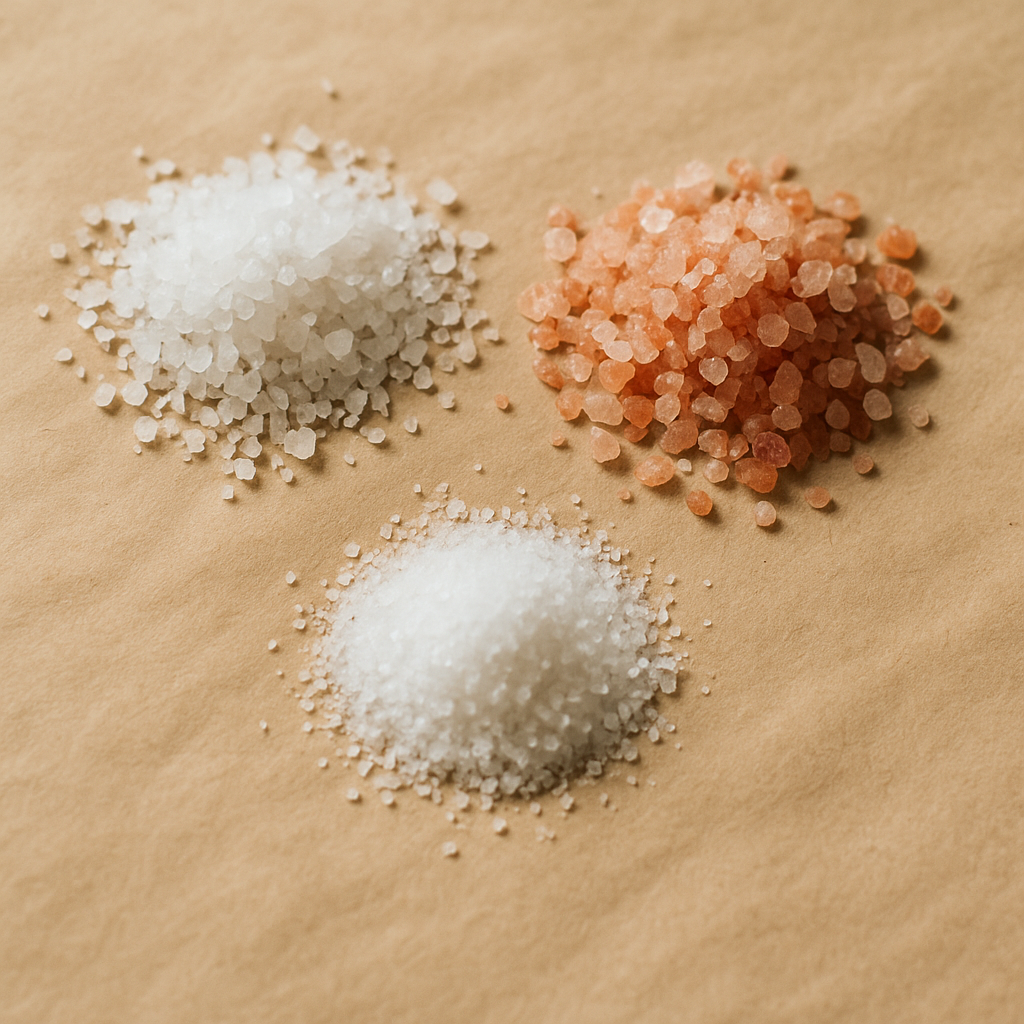
What it is
This is a coarse-grained salt, meaning the salt crystals are larger and less dense than those found in table salt. It is typically pure sodium chloride. The larger crystals make it easier to handle and pinch, which is why many cooks prefer it for seasoning. It dissolves well and imparts a clean, pure salt flavor to food. Its texture also makes it suitable for certain culinary applications where a more pronounced salt presence is desired.
How people cook with it
Kosher salt is a fundamental seasoning in kitchens everywhere. It is used to enhance the natural flavors of a wide variety of dishes.
- Seasoning meats before cooking
- Brining poultry
- Enhancing vegetable flavors
- Salting pasta water
When using kosher salt, remember that its larger crystals mean it is less dense than table salt. This means you will need to use more of it by volume to achieve the same level of saltiness. It is excellent for rubbing onto meats before roasting or grilling, as its coarse texture adheres well and helps create a flavorful crust. It's also commonly used to salt the water when boiling pasta or vegetables, ensuring even seasoning throughout. For brining, its ability to draw out moisture is beneficial.
How it differs from similar foods
Unlike fine table salt, kosher salt's larger, irregular crystals provide a different texture and a less intense saltiness by volume. This makes it easier to control the amount of salt added, reducing the risk of over-salting. Its purity also means it lacks the anti-caking agents often found in table salt.
Who it is for
Home cooks and professional chefs alike reach for kosher salt for its versatility and ease of use.
How to keep the rest
To keep the rest of your kosher salt fresh, store it in a cool, dry place in its original container or an airtight vessel. Ensure it is kept away from moisture and humidity to prevent clumping and maintain its free-flowing texture. Proper storage will preserve its quality for extended periods.