
Olde Thompson
Olde Thompson Kosher Flake Salt
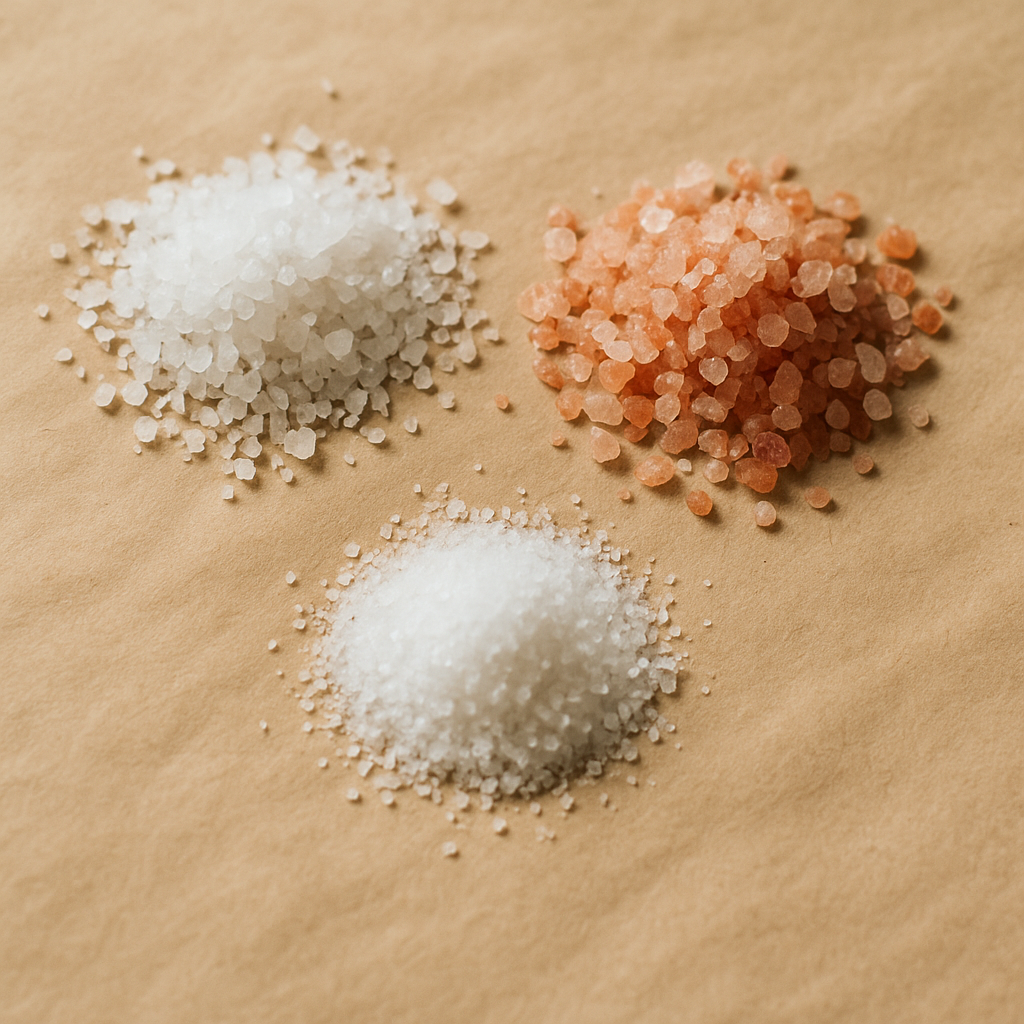
What it is
This is a type of salt that has a flaky, irregular shape. It is produced through a process that creates thin, flat crystals. Kosher salt is often preferred by cooks because its larger, irregular flakes are easier to handle and control when seasoning food. It dissolves more slowly than fine grain salt, allowing for more precise seasoning adjustments during the cooking process. Its texture also makes it suitable for certain finishing applications.
How people cook with it
Kosher flake salt is a versatile seasoning used in many cooking applications.
- Seasoning meats before cooking
- Adding a finishing touch to dishes
- Brining poultry and fish
- Controlling salt levels in recipes
When cooking, you can use kosher flake salt to season your ingredients at various stages. It's excellent for rubbing onto meats before roasting or grilling, helping to draw out moisture and create a flavorful crust. You can also sprinkle it over vegetables, soups, or stews to enhance their taste. For a delightful textural contrast and burst of flavor, a pinch of kosher flake salt can be added just before serving on dishes like baked goods, salads, or even chocolate desserts. Its larger crystals make it easy to pick up and distribute evenly.
How it differs from similar foods
Compared to fine grain table salt, kosher flake salt has a less dense crystal structure and a larger surface area. This means it takes up more volume for the same weight and dissolves more gradually. This characteristic provides better control over the amount of salt added to food, reducing the risk of over-salting.
Who it is for
Home cooks and professional chefs alike choose kosher flake salt for its ease of use and seasoning control.
How to keep the rest
To maintain its quality, store kosher flake salt in a cool, dry place away from direct sunlight and moisture. Ensure the container is tightly sealed to prevent clumping and to preserve its texture and flavor. Proper storage will keep the salt free-flowing and ready for use.