
Grocery
Konjac Noodles
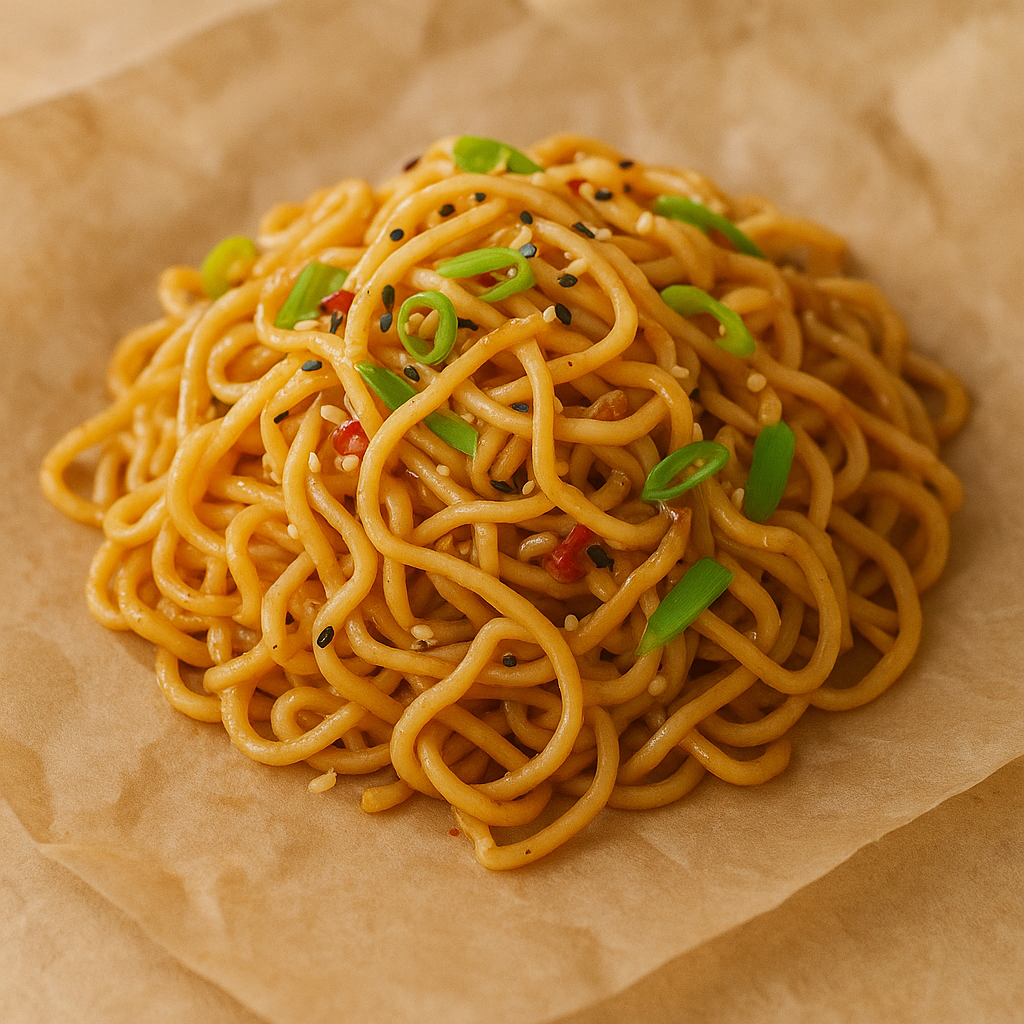
What it is
These noodles have a translucent appearance and a unique, slightly firm texture. They are often found in water or brine to maintain their freshness and prevent them from drying out. Their neutral flavor makes them a versatile base for many dishes.
How people cook with it
Konjac noodles are a popular choice for those seeking lighter meal options or looking to reduce their carbohydrate intake. They absorb the flavors of sauces and broths exceptionally well.
- In stir-fries
- As a pasta substitute
- In noodle soups
- In cold noodle salads
Before cooking, it is important to rinse konjac noodles thoroughly under cold running water. This step helps to remove any residual odor from the konjac plant. Some people prefer to boil them for a few minutes to achieve a softer texture, while others use them directly in hot dishes like stir-fries or soups, allowing them to heat through in the sauce or broth. They are also suitable for cold preparations, such as salads, after rinsing and draining.
How it differs from similar foods
Their texture is also distinct, offering a more al dente bite that can be appealing. They do not provide the same starchy chew as pasta but offer a satisfying mouthfeel when paired with flavorful accompaniments.
Who it is for
Home cooks looking for lighter meal components or those following specific dietary plans often incorporate konjac noodles into their cooking.
How to keep the rest
After opening the package, store any unused konjac noodles in a clean container filled with fresh water. Keep this container refrigerated and use the noodles within a few days. Ensure they remain submerged in water to prevent them from becoming dry and hard.