
Grocery
Canned Coconut Milk
What it is
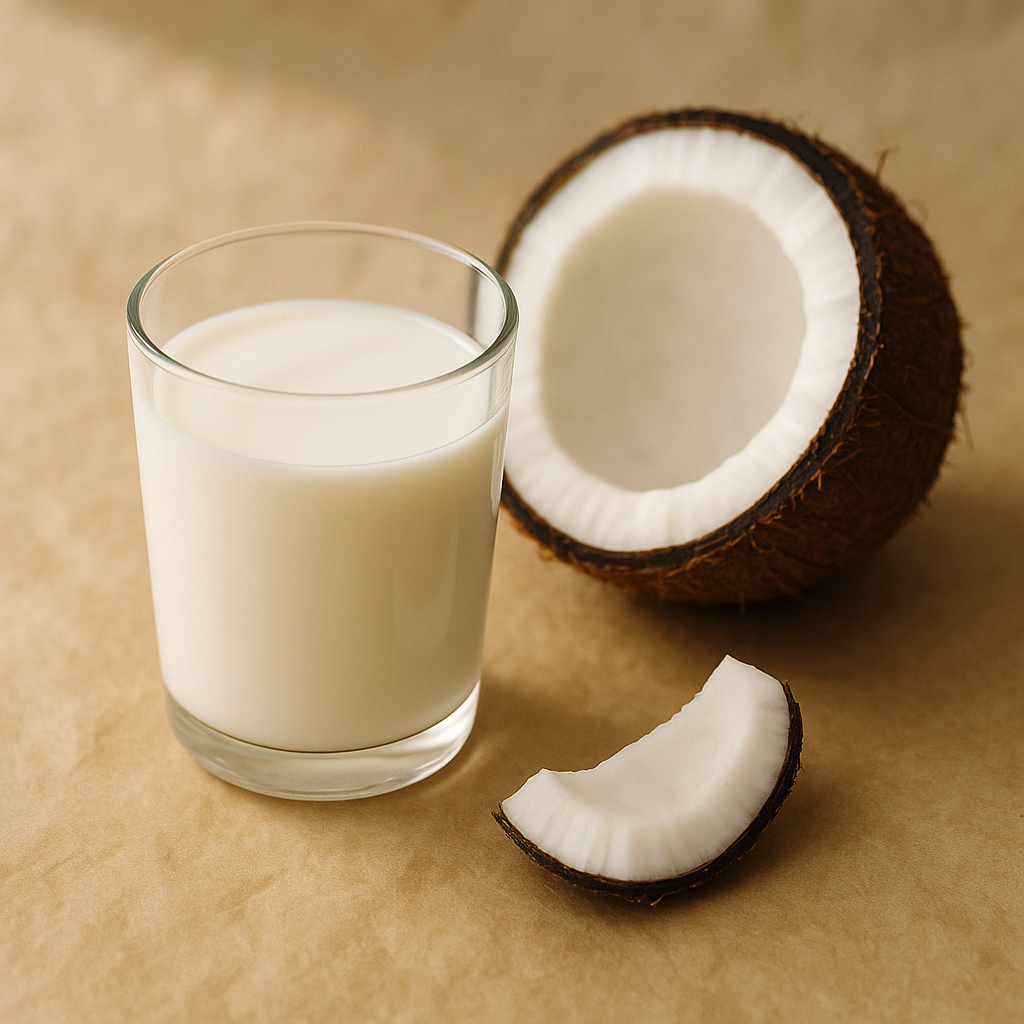
This is a creamy, opaque liquid derived from the flesh of mature coconuts. It is typically made by pressing grated coconut flesh and combining it with water. The resulting liquid has a rich, slightly sweet flavor and a smooth texture. It is a common ingredient in many cuisines, particularly in Southeast Asia and the Caribbean. It is often found in the international foods aisle of grocery stores.
How people cook with it
Coconut milk is a versatile ingredient that adds richness and flavor to both sweet and savory dishes.
- Curries and stews
- Soups and sauces
- Desserts and baked goods
- Smoothies and beverages
Before opening, shake the can well or stir to combine the separated cream and liquid. This ensures a consistent texture and flavor in your cooking. It can be simmered to thicken sauces and curries, or used as a base for creamy soups. In baking, it can replace dairy milk for a richer flavor and moistness. It also blends beautifully into smoothies for a tropical twist or can be whipped into a dairy-free topping.
How it differs from similar foods
Unlike coconut water, which is the clear liquid found inside young coconuts, coconut milk is thicker and richer due to the presence of coconut fat. It also differs from coconut cream, which is even more concentrated and has a higher fat content, resulting in a heavier, more luxurious texture.
Who it is for
Home cooks and professional chefs use coconut milk to add depth and a distinct flavor profile to their culinary creations.
How to keep the rest
Once opened, transfer any unused coconut milk to an airtight container and refrigerate. It will typically last for 3 to 5 days in the refrigerator. You can also freeze leftover coconut milk in ice cube trays for smaller, convenient portions to use in future recipes.