
YuanXian
YuanXian Kojac Noodles
What it is
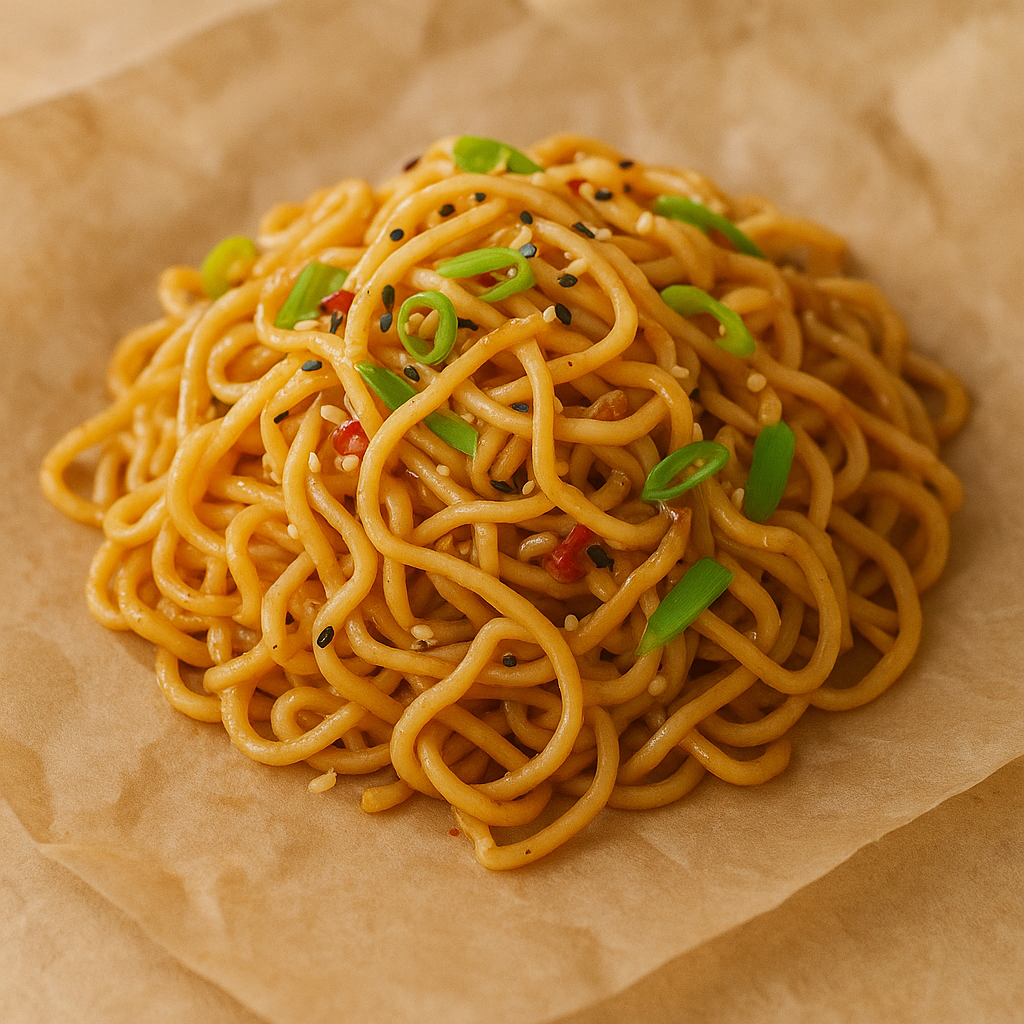
These are noodles made from the konjac plant, a root vegetable native to Asia. They are known for their unique texture and very low carbohydrate content. The noodles are typically packaged in a liquid to preserve their freshness and maintain their shape. They are a popular choice for those seeking a lighter alternative to traditional pasta or noodles.
How people cook with it
Kojac noodles are versatile and can be incorporated into many dishes. They absorb flavors well, making them a great base for various cuisines.
- Stir-fry base
- Noodle soup addition
- Salad component
- Pasta substitute
Before cooking, it is important to rinse the kojac noodles thoroughly under cold running water. This step helps to remove any residual liquid and the natural odor associated with konjac. After rinsing, you can add them directly to your prepared sauces, broths, or stir-fries. They do not require extensive cooking time, often just needing to be heated through. They are best when added near the end of the cooking process to maintain their distinct texture.
How it differs from similar foods
Unlike wheat-based noodles, kojac noodles are virtually carb-free and have a very different texture. They are often more slippery and have a slight chewiness, whereas traditional noodles can be softer or firmer depending on the type. Their neutral flavor allows them to take on the tastes of other ingredients more readily.
Who it is for
Home cooks looking for low-carb meal options or those interested in exploring different noodle textures will find these useful.
How to keep the rest
After opening the package, any unused kojac noodles should be rinsed and stored in a clean container filled with fresh water. This container should be kept refrigerated. It is recommended to consume the remaining noodles within a few days for optimal quality and freshness.