
Grocery
Kiki Brand Unsalted Butter
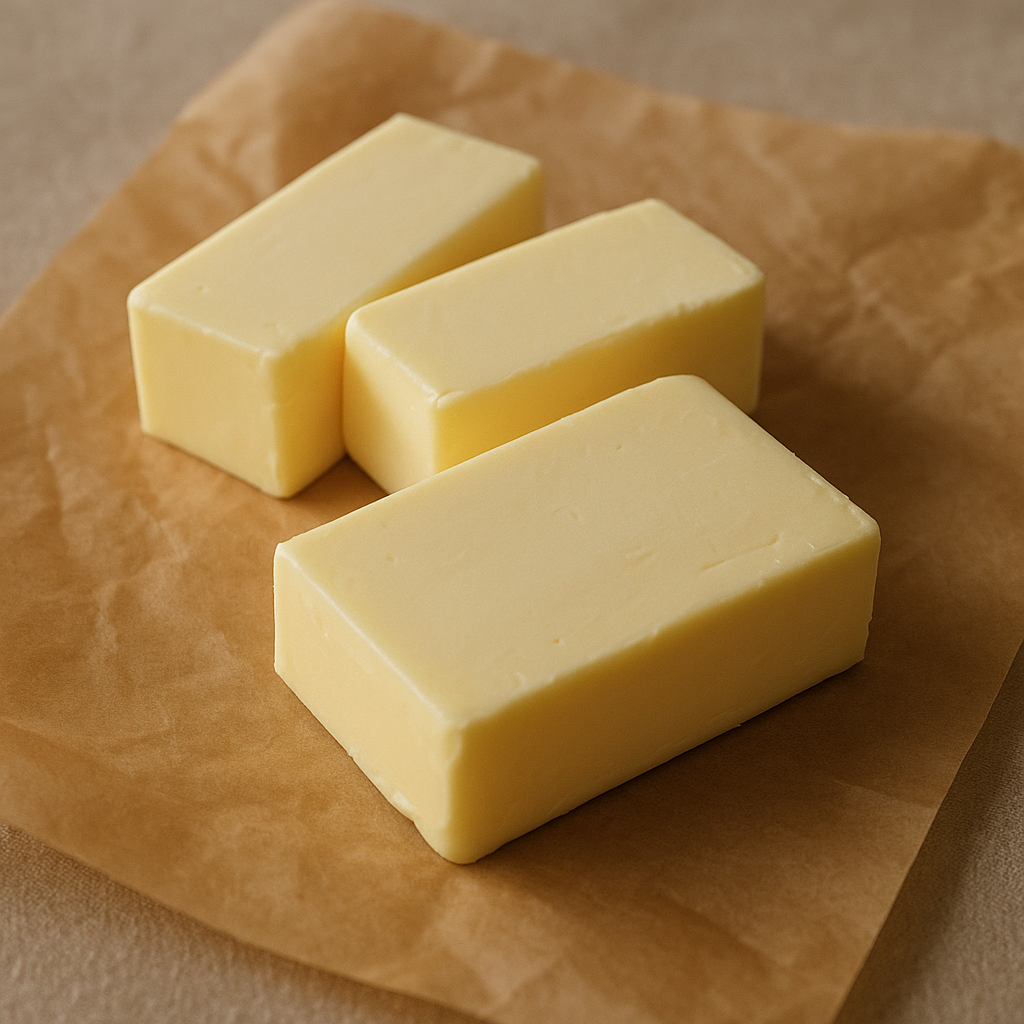
What it is
This is a block of unsalted butter, a dairy product made from churning cream. It has a rich, creamy texture and a pure, unadulterated butter flavor. Unsalted butter allows the cook to control the exact amount of salt in a dish, making it a versatile ingredient for both sweet and savory applications. Its fat content contributes to tenderness and moisture in baked goods.
How people cook with it
Butter is a fundamental ingredient in many kitchens, used for cooking, baking, and spreading.
- Baking cakes and cookies
- Sautéing vegetables
- Spreading on toast
- Sauce base
Butter can be used in its solid state for creaming with sugar in baking, creating flaky pastries, or as a binder. When melted, it adds richness to sauces, glazes, and pan-fried items. It can also be softened to room temperature for easy mixing into doughs and batters. For browning, a medium heat is typically used to prevent burning while developing flavor. It's essential for achieving a golden crust on baked goods and adding a smooth mouthfeel to emulsions.
How it differs from similar foods
Unsalted butter differs from salted butter by the absence of added salt. This distinction is important for bakers who need precise control over the salt level in their recipes. Salt can affect the texture and browning of baked goods, so unsalted butter offers greater flexibility for the cook.
Who it is for
Home cooks and professional chefs rely on unsalted butter for its pure flavor and versatility.
How to keep the rest
To store the remaining butter, wrap it tightly in its original packaging or parchment paper. Keep it refrigerated to maintain its freshness and prevent it from absorbing odors from other foods. For longer storage, butter can be frozen.