
Bernard Gaborit
Bernard Gaborit Cow's Milk Kefir
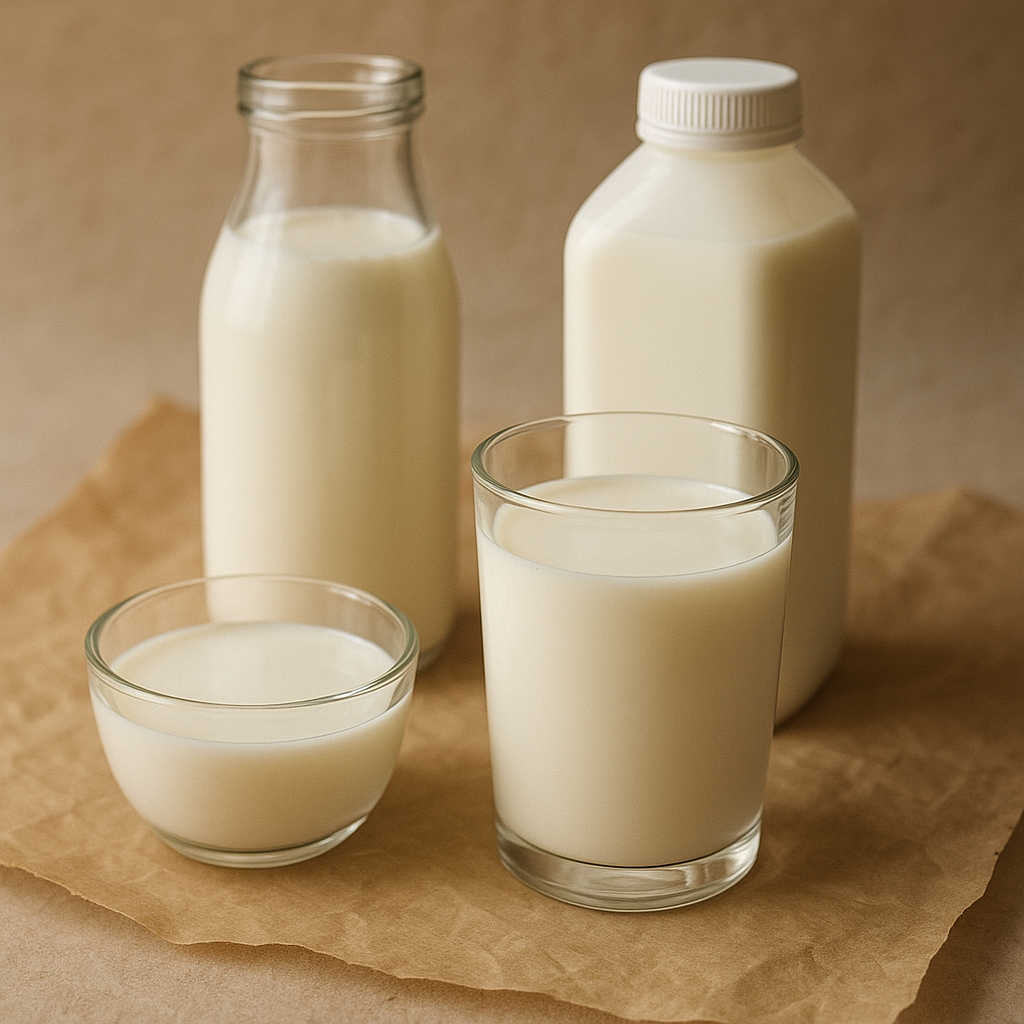
What it is
This is a fermented dairy beverage made from cow's milk. It is produced by adding kefir grains, which are a symbiotic culture of bacteria and yeasts, to milk. The microorganisms ferment the lactose in the milk, producing lactic acid and other compounds. This fermentation process gives kefir its characteristic tangy flavor and slightly effervescent texture. It is a traditional drink enjoyed for centuries.
How people cook with it
Kefir can be enjoyed on its own or incorporated into various dishes. Its unique flavor profile makes it a versatile ingredient in both sweet and savory preparations.
- Drink plain
- Blend into smoothies
- Use in salad dressings
- Substitute for buttermilk
Kefir is typically consumed as a beverage, chilled. Its tartness also makes it a good base for homemade salad dressings, adding a creamy and zesty element. In baking, it can be used as a substitute for buttermilk in recipes like pancakes, muffins, and quick breads, contributing to a tender crumb and a subtle tang. It can also be used in marinades for meats.
How it differs from similar foods
Compared to yogurt, kefir generally has a thinner consistency and a more pronounced, complex tanginess due to the wider range of microorganisms involved in its fermentation. It is also typically more effervescent than yogurt.
Who it is for
Home cooks and individuals seeking a fermented dairy option for their diet.
How to keep the rest
After opening, store the remaining kefir in its original container in the refrigerator. Ensure the lid is tightly sealed to maintain freshness. Consume within the recommended timeframe indicated on the packaging for optimal flavor and quality.