
Grocery
Käsekrainer Sausage
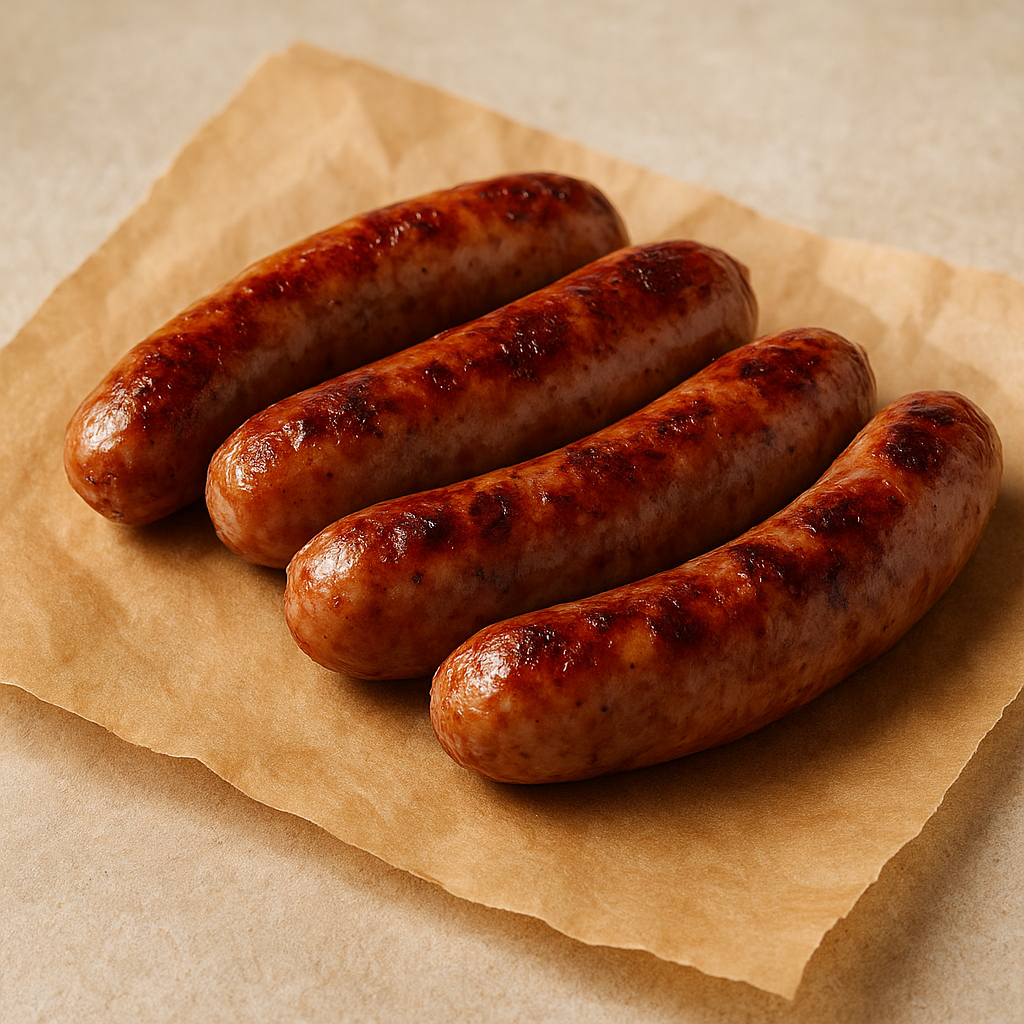
What it is
Käsekrainer is a type of Austrian sausage known for its distinctive cheese filling. It is typically made from a mixture of pork and beef, seasoned with various spices. The defining characteristic is the inclusion of small cubes of cheese, usually Emmental or Gruyère, which melt and ooze out when the sausage is cooked. This creates a rich, savory, and slightly gooey texture. The sausage casing is usually natural, providing a satisfying 'snap' when bitten into. It is a popular item in Austrian cuisine.
How people cook with it
This sausage is a versatile ingredient that can be enjoyed in many ways. It is particularly well-suited for grilling or pan-frying.
- Grilled as a main dish
- Sliced into stews
- Served in a bun
- Added to pasta dishes
To prepare Käsekrainer, it is best to cook it gently to allow the cheese to melt without the casing bursting. Pan-frying over medium heat or grilling are excellent methods. You can also bake them in the oven. Avoid piercing the sausage before cooking, as this can cause the cheese to escape. Some people like to score the casing lightly in a crosshatch pattern before cooking, which helps it cook evenly and can create a more appealing appearance. It is often served with mustard or horseradish.
How it differs from similar foods
Unlike a standard bratwurst or frankfurter, Käsekrainer contains a significant amount of cheese. This cheese filling melts during cooking, imparting a creamy texture and a distinct flavor that is not found in unadulterated meat sausages. The combination of savory meat and melted cheese makes it a richer and more indulgent option.
Who it is for
Home cooks looking for a flavorful and satisfying sausage option will appreciate Käsekrainer.
How to keep the rest
Refrigerate any uncooked Käsekrainer promptly after purchase. Store it in its original packaging or in an airtight container. It is best to consume it within a few days of opening. For longer storage, it can be frozen, ensuring it is well-wrapped to prevent freezer burn.