
Grocery
Fresh Kale Greens
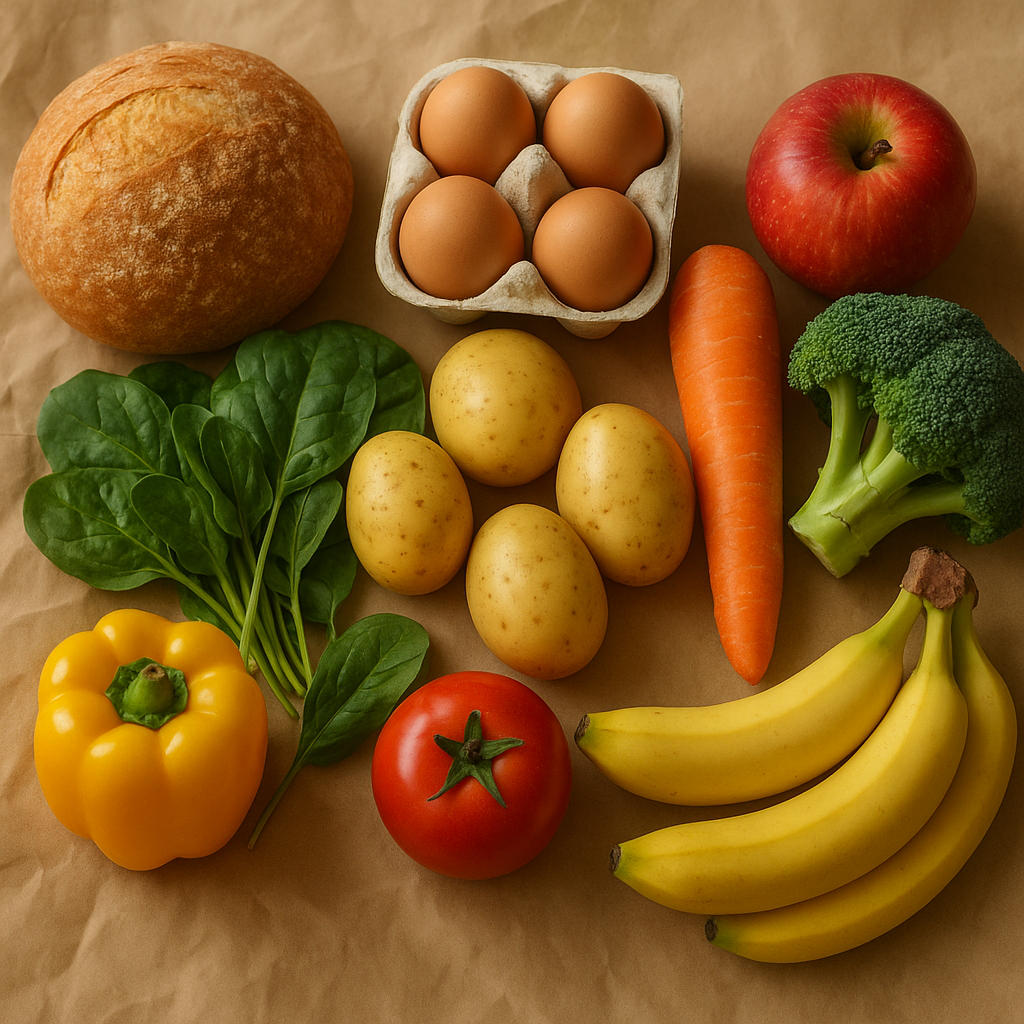
What it is
This is a bunch of fresh kale, a leafy green vegetable known for its sturdy texture and slightly bitter, earthy flavor. It belongs to the Brassica family, which also includes cabbage and broccoli. The leaves are typically dark green and can be curly or flat depending on the variety. Kale is a versatile ingredient that can be enjoyed cooked or raw, offering a robust addition to many dishes.
How people cook with it
Kale is a popular choice for adding nutrients and texture to meals. It can be incorporated into a wide range of culinary preparations.
- Added to smoothies
- Sautéed with garlic
- Baked into chips
- Tossed in salads
Before using, it's best to wash the kale thoroughly under cool running water to remove any dirt. You can then remove the tough central stems by folding the leaf in half and slicing along the stem. For raw applications, such as salads, chopping the leaves finely and massaging them with a bit of dressing can help tenderize them. When cooking, kale can be steamed, sautéed, or added to soups and stews. It holds up well to heat and retains some of its texture even after cooking.
How it differs from similar foods
Compared to softer greens like spinach, kale has a tougher texture and a more pronounced, slightly peppery flavor. This makes it ideal for dishes where a more substantial leafy green is desired, as it won't wilt down as much during cooking.
Who it is for
Home cooks looking to incorporate more leafy greens into their diet will find kale to be a valuable ingredient.
How to keep the rest
To keep the rest of your kale fresh, wrap the bunch loosely in a damp paper towel and place it in a plastic bag. Store it in the crisper drawer of your refrigerator. It should remain fresh for about a week when stored properly.