
Grocery
Organic Lime
What it is
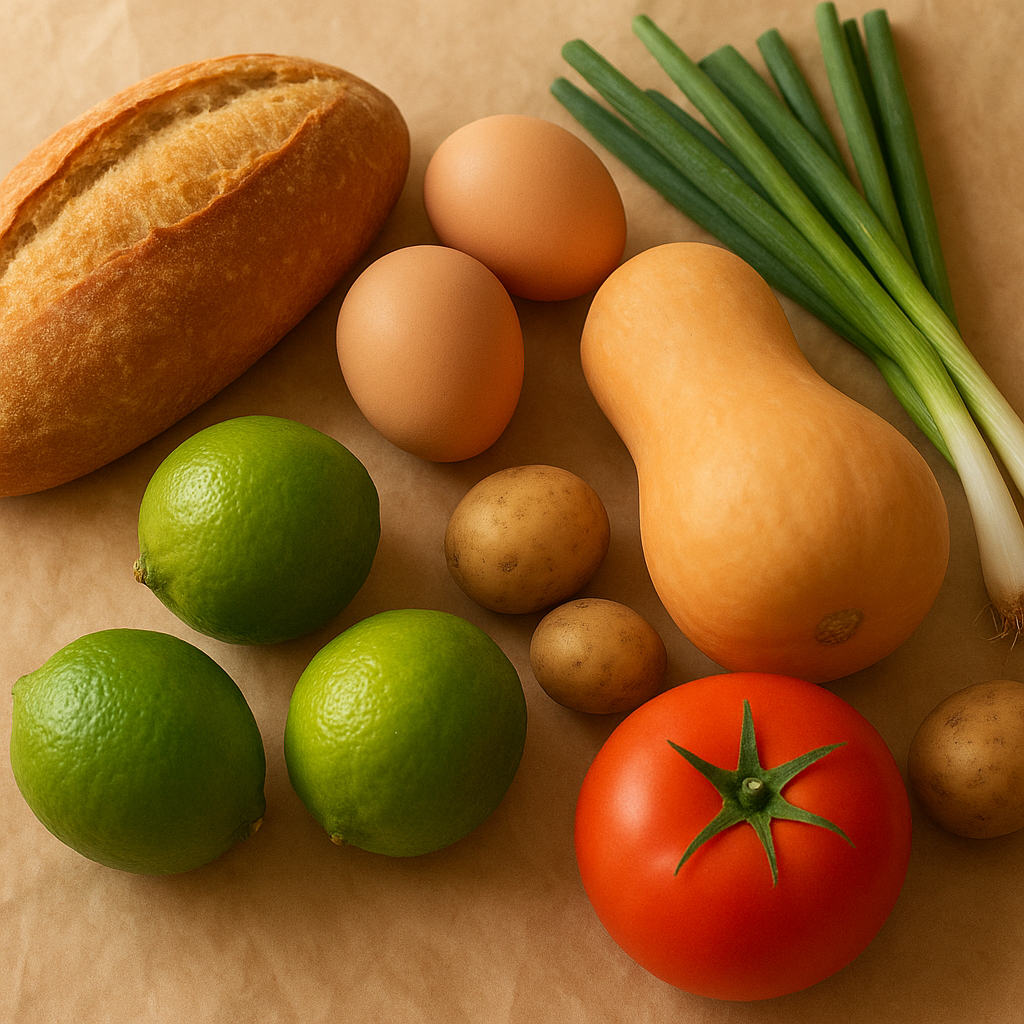
This is a fresh, organic lime. It is a citrus fruit known for its bright green color and tart flavor. Limes are typically oval-shaped with a bumpy rind. They grow on trees and are harvested when ripe. This particular lime is grown without synthetic pesticides or fertilizers, adhering to organic farming standards. Its vibrant acidity makes it a versatile ingredient in many culinary applications.
How people cook with it
Limes are commonly used to add a zesty flavor to both sweet and savory dishes. Their juice and zest are both prized for their aromatic qualities.
- Squeezed over seafood
- Added to marinades
- Zested into baked goods
- Muddled in cocktails
To use a lime, you can first zest its outer rind to capture its fragrant oils, being careful to avoid the bitter white pith underneath. Then, cut the lime in half and squeeze out the juice. The juice can be used directly in dressings, sauces, or beverages. For recipes that call for both zest and juice, prepare the zest first before cutting the lime. The pulp can also be used in some preparations, though it is less common than the juice or zest.
How it differs from similar foods
Organic limes are distinguished by their cultivation methods. Unlike conventionally grown limes, organic varieties are produced without the use of synthetic pesticides, herbicides, or genetically modified organisms. This focus on natural farming practices can result in a fruit with a distinct flavor profile, though the primary difference lies in the farming process itself.
Who it is for
Home cooks and professional chefs alike utilize limes for their distinctive taste.
How to keep the rest
To keep the rest of your limes fresh, store them in a cool, dry place, such as a fruit bowl on the counter, for a few days. For longer storage, place them in a sealed plastic bag in the refrigerator's crisper drawer. This will help maintain their moisture and prevent them from drying out.