
Grocery
Apple Juice
What it is
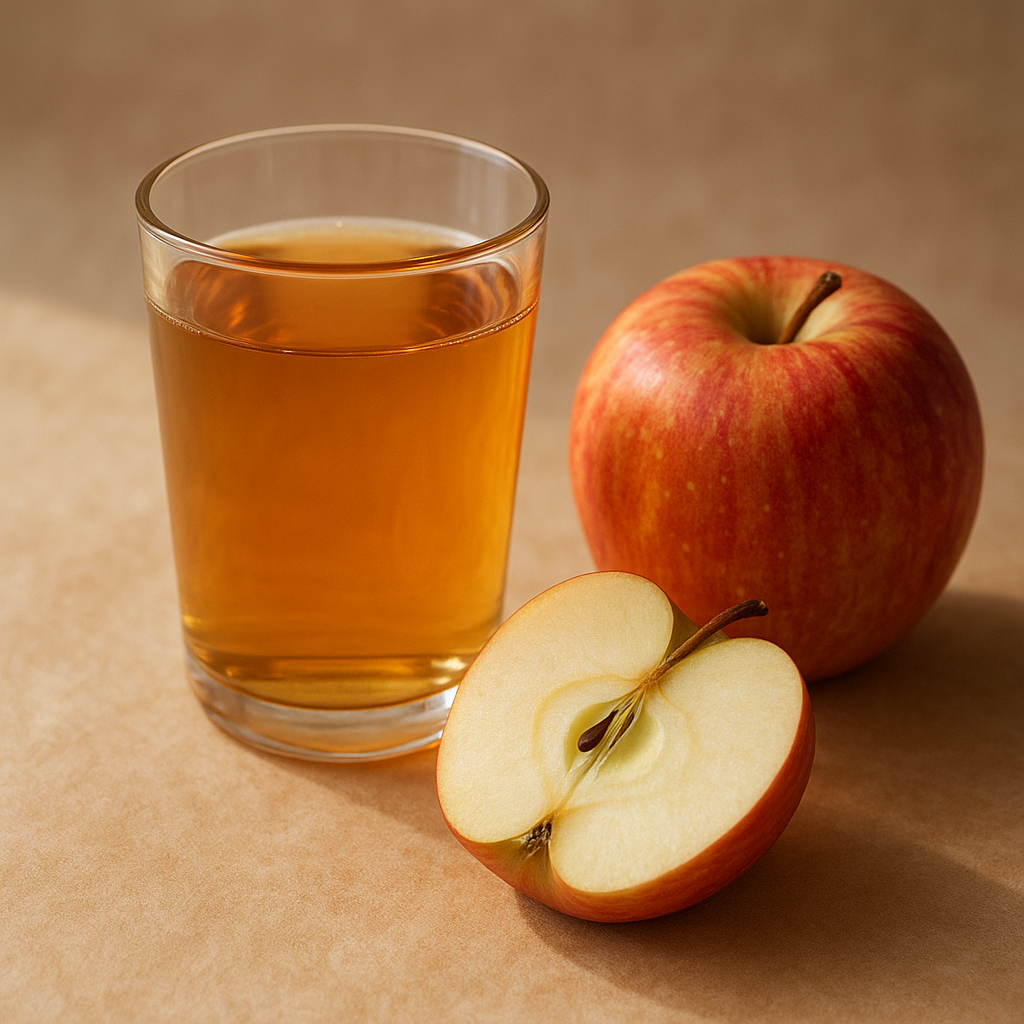
This is a beverage made from the pressed juice of apples. It is typically clear or slightly cloudy, depending on whether it has been filtered. The flavor can range from tart to sweet, reflecting the varieties of apples used in its production. It is often pasteurized to ensure shelf stability and safety. This juice is a common pantry staple enjoyed by many.
How people cook with it
Apple juice can be enjoyed on its own or used as a base for other drinks and dishes. Its natural sweetness makes it a versatile ingredient in the kitchen.
- Drink chilled
- Mix with sparkling water
- Use in marinades
- Bake into desserts
Pour it into a glass and serve chilled for a refreshing drink. It can be combined with other juices or sparkling water to create custom beverages. In cooking, apple juice can add moisture and a subtle sweetness to baked goods like cakes and muffins. It's also a good addition to marinades for pork or chicken, helping to tenderize the meat and impart a fruity note. Some people use it to deglaze pans when making pan sauces.
How it differs from similar foods
Compared to apple cider, apple juice is typically filtered to remove pulp and sediment, resulting in a clearer liquid. It also tends to be sweeter and less tart than unfiltered cider. Some apple juices are made from concentrate, while others are from fresh-pressed apples, which can affect the flavor profile.
Who it is for
This beverage is commonly purchased by households for general consumption and for use in everyday cooking.
How to keep the rest
Once opened, refrigerate any leftover apple juice. It is best consumed within a week to maintain its fresh flavor. Ensure the container is tightly sealed to prevent oxidation and spoilage. Unopened containers can be stored at room temperature in a cool, dark place.