
Carolina Rice
Jasmine Thai Fragrant Long Grain Rice
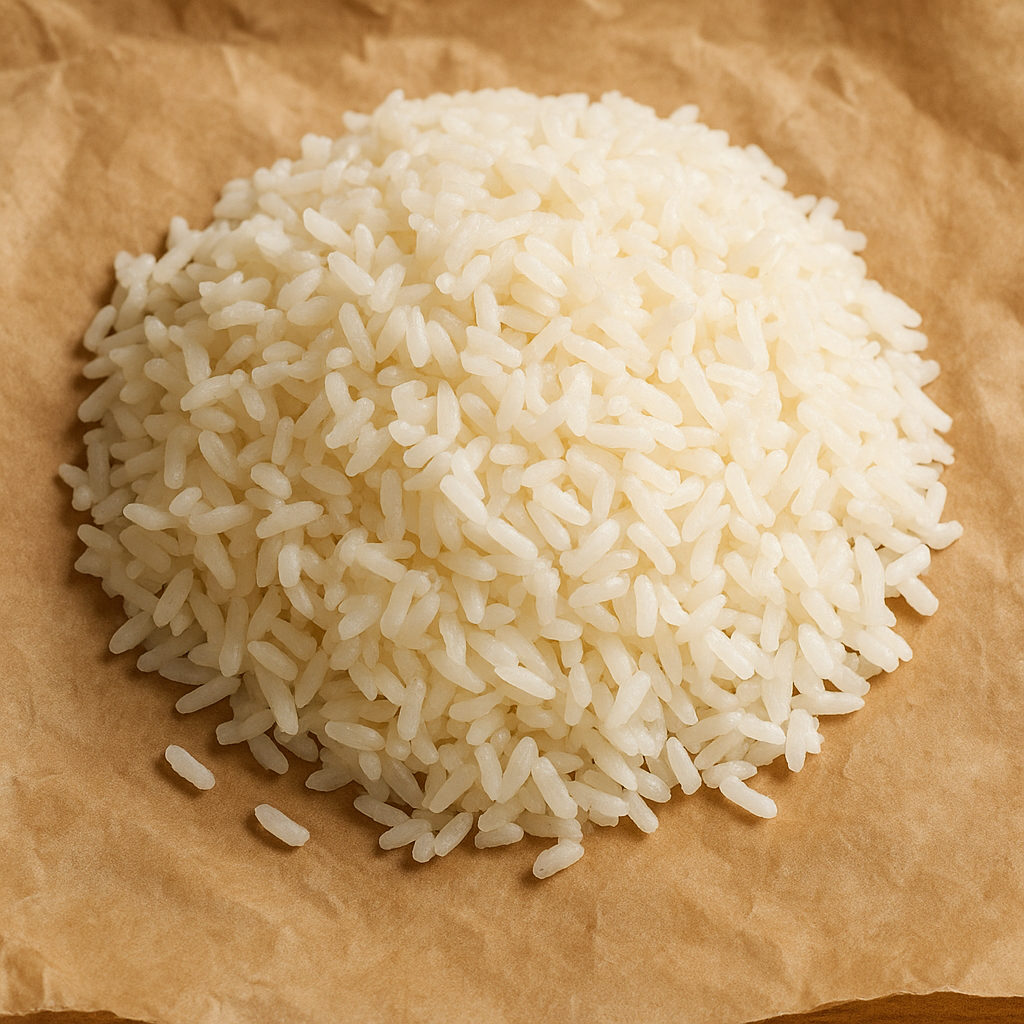
What it is
This is a type of long-grain rice known for its distinct floral aroma and slightly chewy texture. When cooked, the grains remain separate and fluffy. It is a staple in many Asian cuisines and is prized for its delicate fragrance and subtle sweetness. The rice is milled to remove the outer husk, leaving the nutrient-rich bran layer intact for some varieties, though this product is typically polished.
How people cook with it
Jasmine rice is a versatile grain that pairs well with a wide variety of dishes. Its fragrant nature makes it a delightful accompaniment to both simple and complex meals.
- Side dish for curries
- Base for stir-fries
- Accompaniment to grilled meats
- Ingredient in rice pudding
To prepare jasmine rice, rinse the grains under cold water until the water runs clear. This removes excess starch, preventing the rice from becoming overly sticky. Combine the rinsed rice with the appropriate amount of water in a saucepan. Bring to a boil, then reduce the heat to low, cover, and simmer for about 15-20 minutes, or until all the water is absorbed. Let it steam, covered, for an additional 5-10 minutes off the heat before fluffing with a fork. This method ensures tender, separate grains.
How it differs from similar foods
Compared to basmati rice, jasmine rice is typically shorter and plumper with a more pronounced floral aroma. While both are fragrant long-grain varieties, jasmine rice tends to be slightly stickier and chewier due to its higher amylopectin content. It offers a different aromatic profile and mouthfeel.
Who it is for
Home cooks and professional chefs preparing Asian-inspired meals will find this rice to be a valuable pantry staple.
How to keep the rest
Store uncooked jasmine rice in an airtight container in a cool, dry place away from direct sunlight and strong odors. This helps maintain its freshness and fragrance. Properly stored, it can last for many months, though consuming it within a year is recommended for optimal quality.