
Grocery
Jasmine Rice
What it is
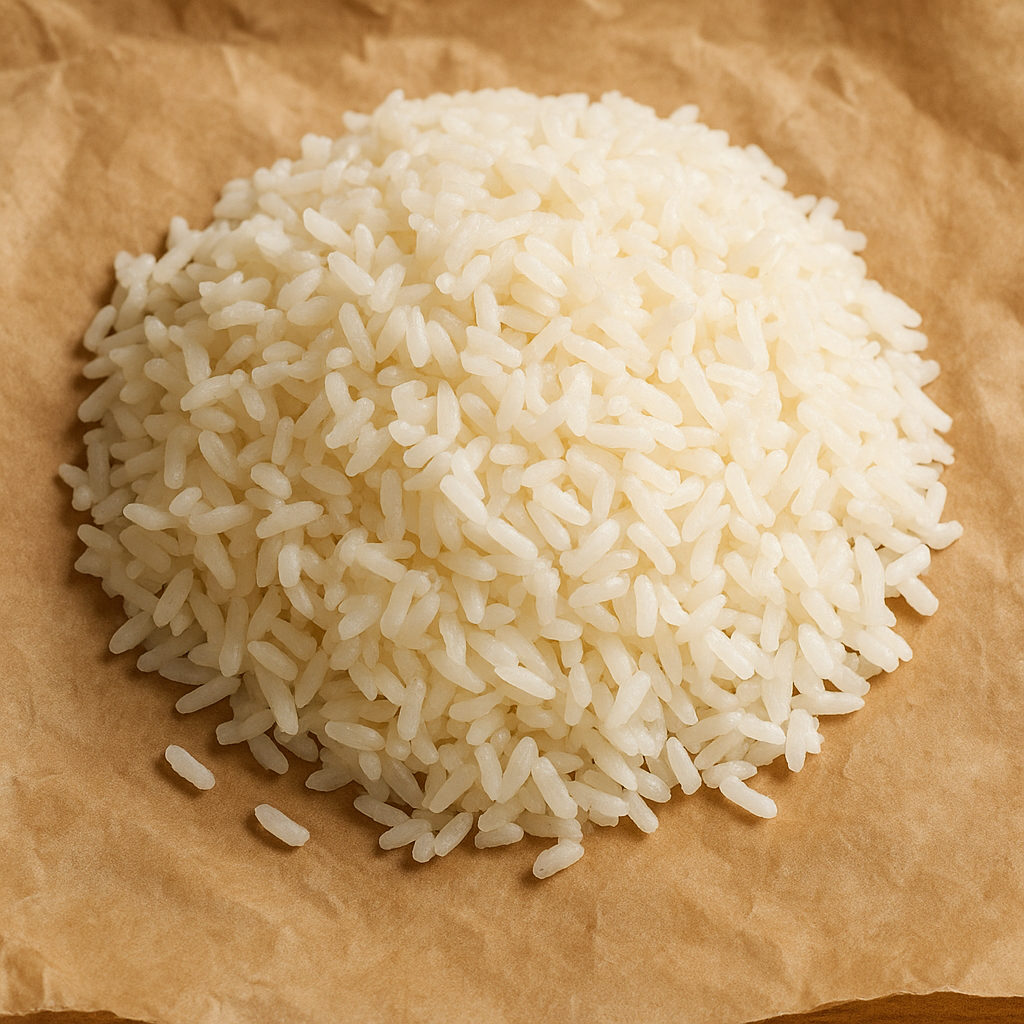
Jasmine rice is a long-grain variety of rice, originating from Southeast Asia. It is known for its distinct floral aroma, often described as similar to jasmine flowers. When cooked, it becomes tender and slightly sticky, making it a popular choice for many Asian cuisines. This rice is typically milled, meaning the bran and germ have been removed, resulting in a lighter texture and longer shelf life compared to brown rice.
How people cook with it
Jasmine rice is a versatile staple that can be served as a side dish or incorporated into a variety of main courses. Its fragrant nature complements many flavors.
- Side dish for curries
- Base for stir-fries
- Ingredient in fried rice
- Accompaniment to grilled meats
To prepare jasmine rice, rinse it thoroughly under cold water until the water runs clear. This removes excess starch, which helps prevent the grains from clumping together. For every cup of rice, typically use 1.5 cups of water. Bring the water and rice to a boil in a saucepan, then reduce the heat to low, cover tightly, and simmer for about 15-20 minutes, or until all the water is absorbed. Let it steam, covered, for an additional 5 minutes off the heat before fluffing with a fork.
How it differs from similar foods
Compared to basmati rice, jasmine rice tends to be softer and stickier when cooked, with a more pronounced floral fragrance. Arborio rice, used for risotto, is much starchier and becomes creamy when cooked, a stark contrast to the separate grains of jasmine rice.
Who it is for
Home cooks and professional chefs preparing Asian-inspired meals often choose jasmine rice for its aroma and texture.
How to keep the rest
Store uncooked jasmine rice in a cool, dry place in an airtight container to maintain freshness and prevent moisture absorption. Once cooked, refrigerate any leftovers promptly and consume within a few days. Ensure the container is sealed to keep out pests and odors.