
Grocery
Jasmine Rice, 5 lb Bag
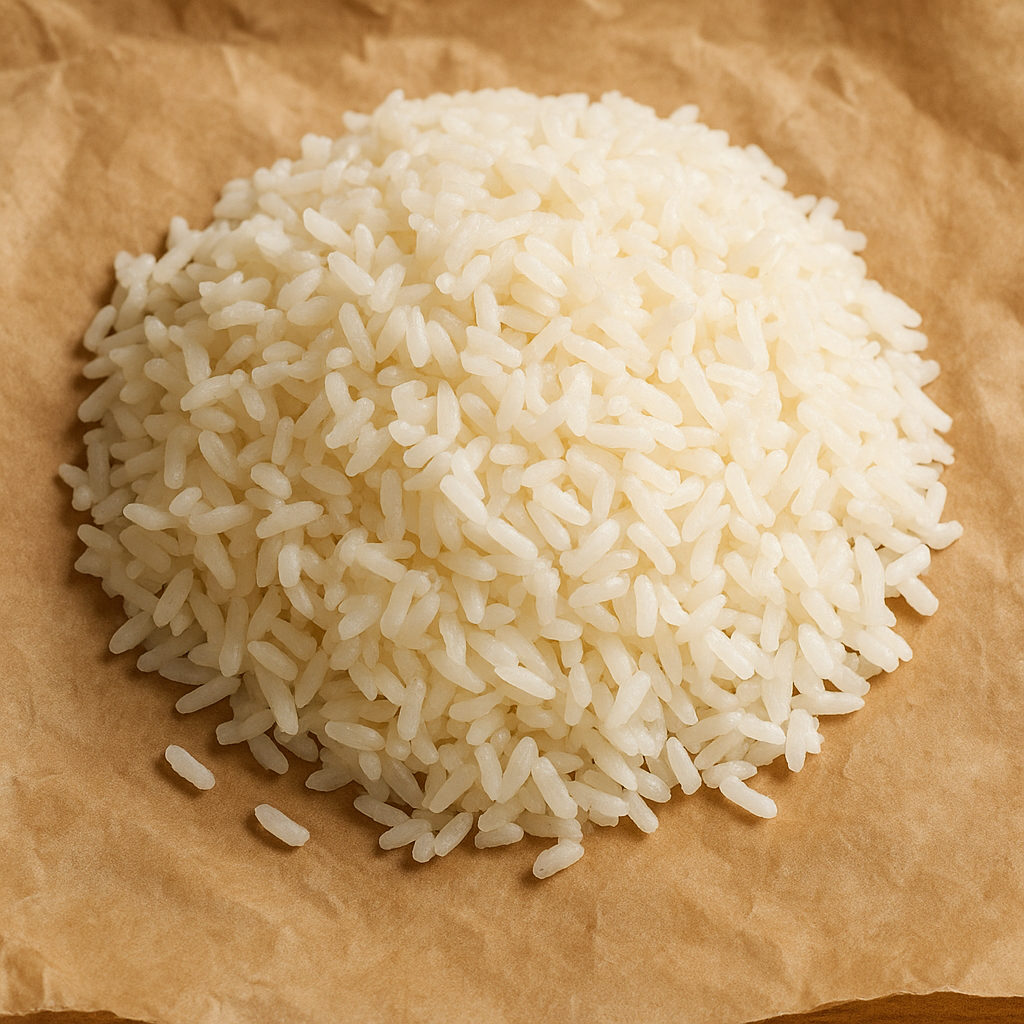
What it is
Jasmine rice is a long-grain variety of rice, originating from Thailand. It is known for its distinct floral aroma and slightly chewy texture when cooked. The grains are typically slender and become fluffy and separate after steaming. This rice is a staple in many Asian cuisines and is prized for its delicate flavor and pleasing mouthfeel. It is a versatile grain that pairs well with a wide range of dishes.
How people cook with it
Jasmine rice is a foundational ingredient in many meals, serving as a perfect base for flavorful curries, stir-fries, and grilled meats. Its aromatic quality enhances the overall dining experience.
- Side dish for curries
- Base for stir-fries
- Accompaniment to grilled fish
- Ingredient in rice bowls
To cook jasmine rice, rinse the grains thoroughly under cold water until the water runs clear. This removes excess starch, preventing the rice from becoming gummy. Combine the rinsed rice with the appropriate amount of water in a saucepan, typically a 1:1.5 or 1:2 ratio of rice to water, depending on preference. Bring the water to a boil, then reduce the heat to low, cover tightly, and simmer for about 15-20 minutes, or until all the water is absorbed. Let it steam, covered, for an additional 5-10 minutes off the heat before fluffing with a fork.
How it differs from similar foods
Compared to other long-grain rice like basmati, jasmine rice has a softer texture and a more pronounced floral aroma. While basmati is known for its distinct nutty flavor and very separate grains, jasmine rice offers a slightly stickier, more tender result that holds its shape well.
Who it is for
Home cooks and professional chefs preparing authentic Asian dishes or seeking a fragrant, versatile rice option.
How to keep the rest
Store uncooked jasmine rice in a cool, dry place in an airtight container to maintain its freshness and prevent moisture absorption. Properly stored, it can last for a considerable amount of time. Once cooked, refrigerate any leftovers promptly and consume within a few days.