
Grocery
Thick Wheat Noodles for Japanese Cuisine
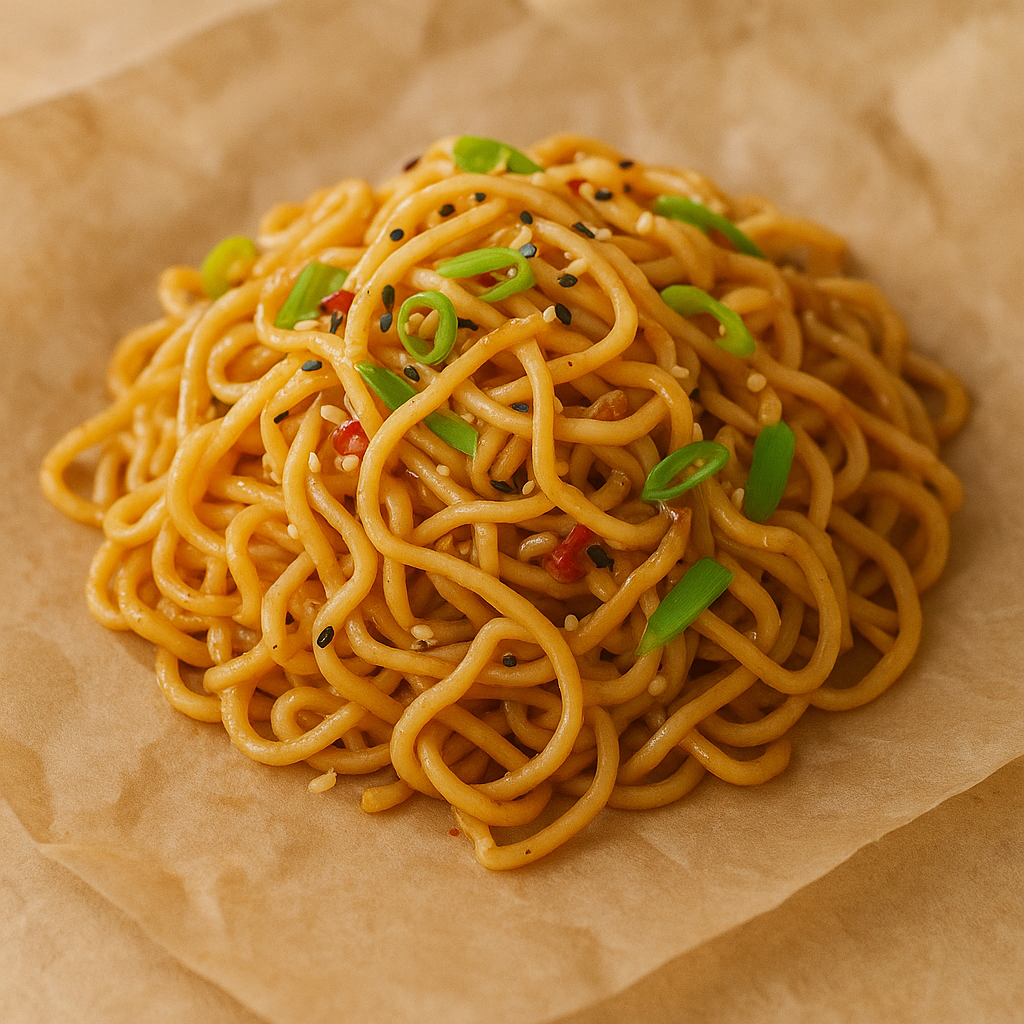
What it is
These are thick, chewy noodles made from wheat flour, water, and salt. They are a staple in Japanese cooking, known for their satisfying texture and ability to absorb flavors from broths and sauces. The noodles are typically sold dried or fresh, and their substantial size makes them a hearty component in many dishes. They offer a mild, slightly wheaty taste that complements a wide range of ingredients.
How people cook with it
Udon noodles are incredibly versatile and can be enjoyed in both hot and cold preparations. They are a popular choice for quick and flavorful meals.
- In hot noodle soups
- Stir-fried with vegetables
- Served chilled with dipping sauce
- As a base for curries
To prepare dried udon noodles, they are typically boiled in a generous amount of water until tender, which usually takes about 8-12 minutes depending on their thickness. Fresh udon noodles cook much faster, often in just 2-3 minutes. After cooking, they are drained and rinsed with cold water if intended for cold dishes, or added directly to hot broths or stir-fries. Their soft yet firm texture holds up well to various cooking methods and sauces.
How it differs from similar foods
Compared to ramen noodles, udon noodles are significantly thicker and have a chewier, more substantial bite. They are made with simpler ingredients and do not typically contain kansui, the alkaline solution that gives ramen its distinct yellow hue and springy texture. Soba noodles, made from buckwheat, are thinner and have a nuttier flavor profile.
Who it is for
Home cooks looking to recreate authentic Japanese noodle dishes will find these noodles essential.
How to keep the rest
Store dried udon noodles in a cool, dry place away from direct sunlight. Ensure the packaging is sealed to prevent moisture absorption, which can cause the noodles to clump or spoil. Once opened, it is best to use them within a few months for optimal freshness. Refrigeration is generally not required for dried varieties.