
Lipton
Lipton Japanese Sencha Green Tea
What it is
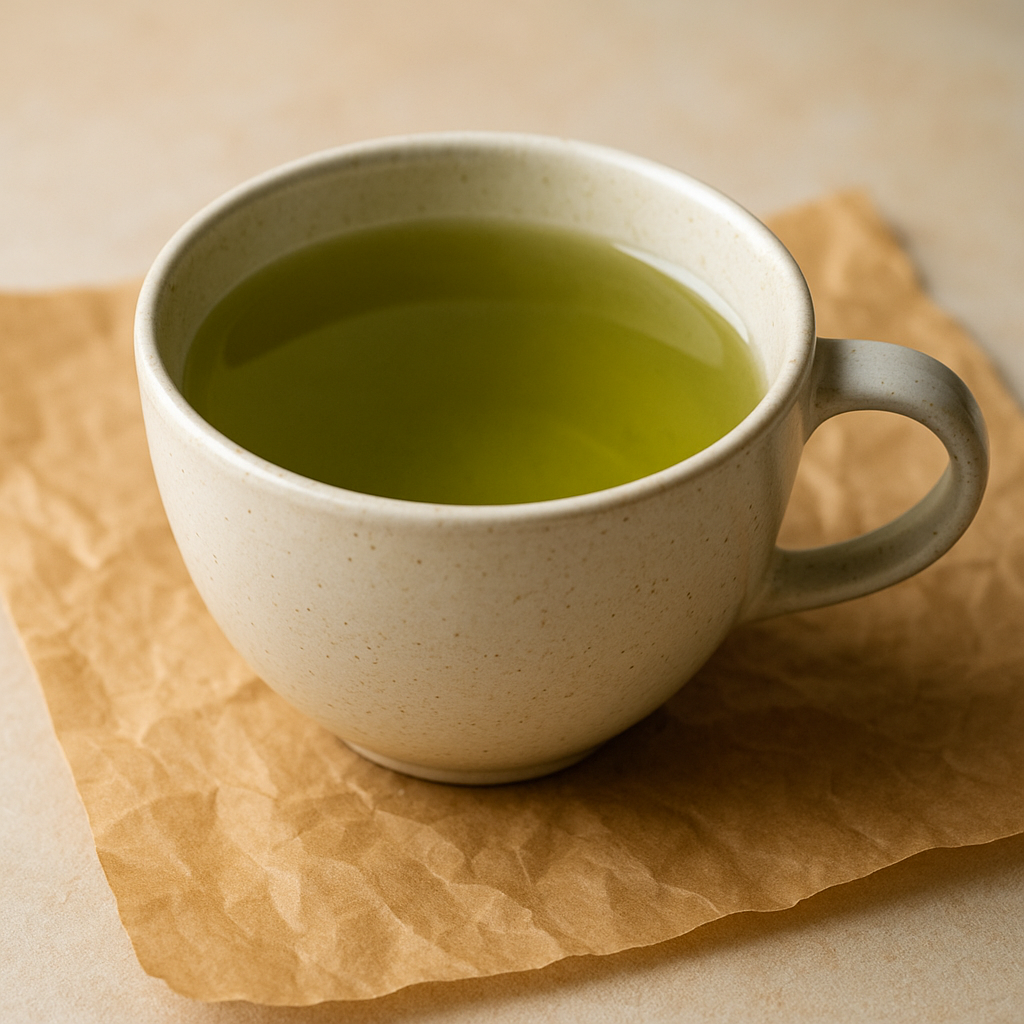
This is a type of green tea originating from Japan, known for its refreshing and slightly grassy flavor profile. It is made from the leaves of the Camellia sinensis plant, which are steamed and then rolled. The steaming process is a key characteristic that distinguishes it from other green teas, particularly those from China which are typically pan-fired. This method helps to preserve the tea's natural green color and delicate taste.
How people cook with it
Sencha is a versatile tea that can be enjoyed on its own or as a base for various beverages. It is often served hot but can also be brewed cold for a refreshing drink.
- Hot tea
- Iced tea
- Tea lattes
- Baking ingredient
To brew a cup of Japanese Sencha, heat fresh, cold water to just below boiling, around 175°F (80°C). Place one tea bag or about one teaspoon of loose leaf tea into your mug or teapot. Pour the hot water over the tea and let it steep for 1 to 2 minutes. Avoid over-steeping, as this can release bitter tannins. For iced tea, brew a stronger concentration and pour over ice. You can also add sweeteners or milk if desired, though many prefer to enjoy its natural flavor.
How it differs from similar foods
Japanese Sencha is distinct from Chinese green teas due to its steaming process, which results in a more vegetal and less roasted flavor. It generally has a brighter, more vibrant green hue and a lighter body compared to pan-fired varieties. The taste is often described as having a pleasant astringency and a clean finish.
Who it is for
Anyone looking for a classic green tea experience can enjoy this beverage.
How to keep the rest
To maintain the freshness and flavor of your Sencha tea, store it in an airtight container away from direct sunlight, moisture, and strong odors. Keep it in a cool, dry place. Ensure the container is well-sealed after each use to prevent oxidation and preserve its delicate aroma and taste.