
Rice
Long Grain White Rice
What it is
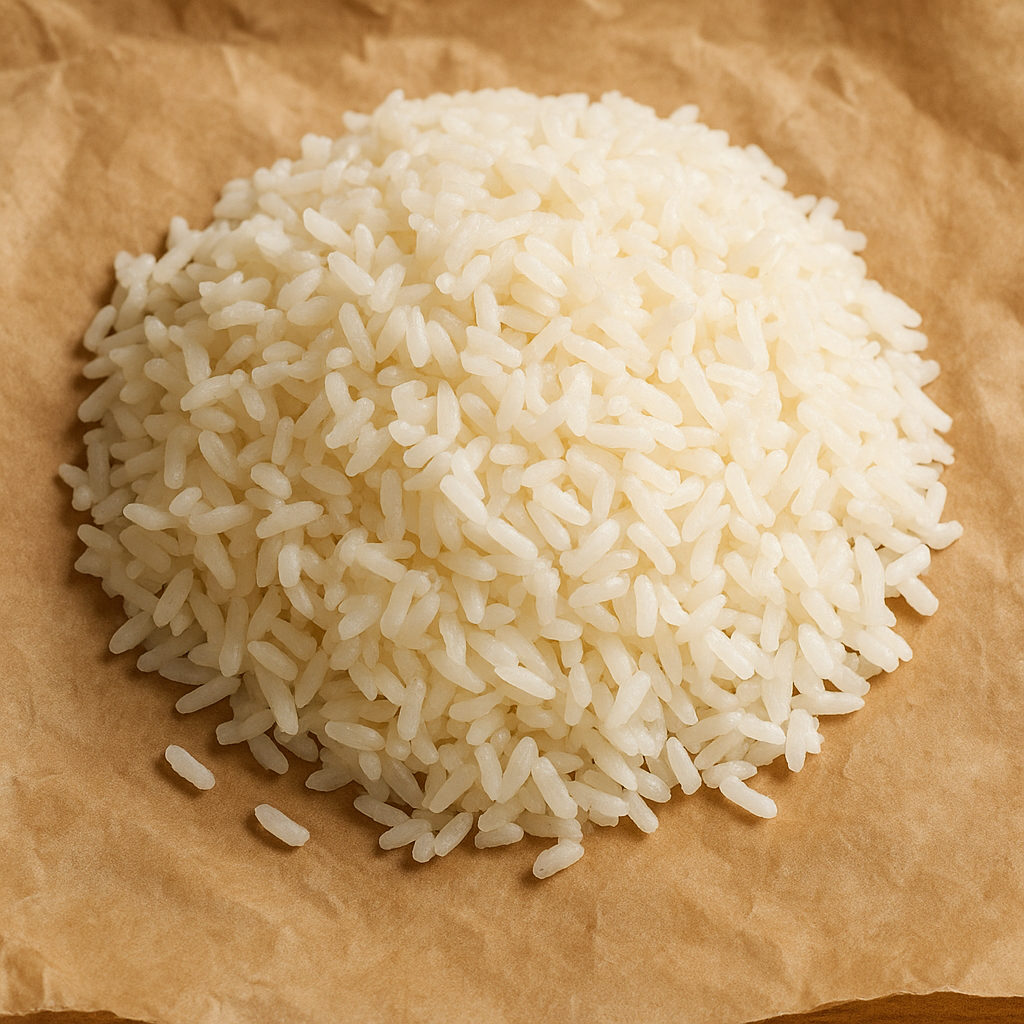
This is a staple grain, processed to remove the bran and germ. The milling process results in a lighter color and a longer shelf life compared to whole grains. It cooks up fluffy and separate, making it a versatile base for many dishes. The grains are typically elongated and slender. This type of rice is a common pantry item in households around the world.
How people cook with it
Long grain white rice is a fundamental ingredient in countless cuisines. It serves as a perfect accompaniment to saucy dishes or can be the star of a flavorful pilaf.
- Side dish for curries
- Base for stir-fries
- Ingredient in rice pudding
- Stuffing for vegetables
To prepare, rinse the rice under cold water to remove excess starch. Combine the rinsed rice with the appropriate amount of water or broth in a saucepan. Bring the mixture to a boil, then reduce the heat to low, cover tightly, and simmer until all the liquid is absorbed. Let it steam, covered, for a few minutes off the heat before fluffing with a fork. For added flavor, you can cook it in broth instead of water or add aromatics like bay leaves.
How it differs from similar foods
Compared to short or medium grain rice, long grain white rice cooks up with distinct, separate grains. Short and medium grains tend to be stickier and are better suited for dishes where clumping is desired, like sushi or risotto.
Who it is for
Home cooks and professional chefs alike rely on this rice for its consistent texture and adaptability.
How to keep the rest
Store any unused cooked rice in an airtight container in the refrigerator for up to three days. For longer storage, cooked and cooled rice can be frozen in a freezer-safe bag or container. Ensure it is completely cooled before refrigerating or freezing to prevent spoilage.