
Grocery
Iodized Table Salt
What it is
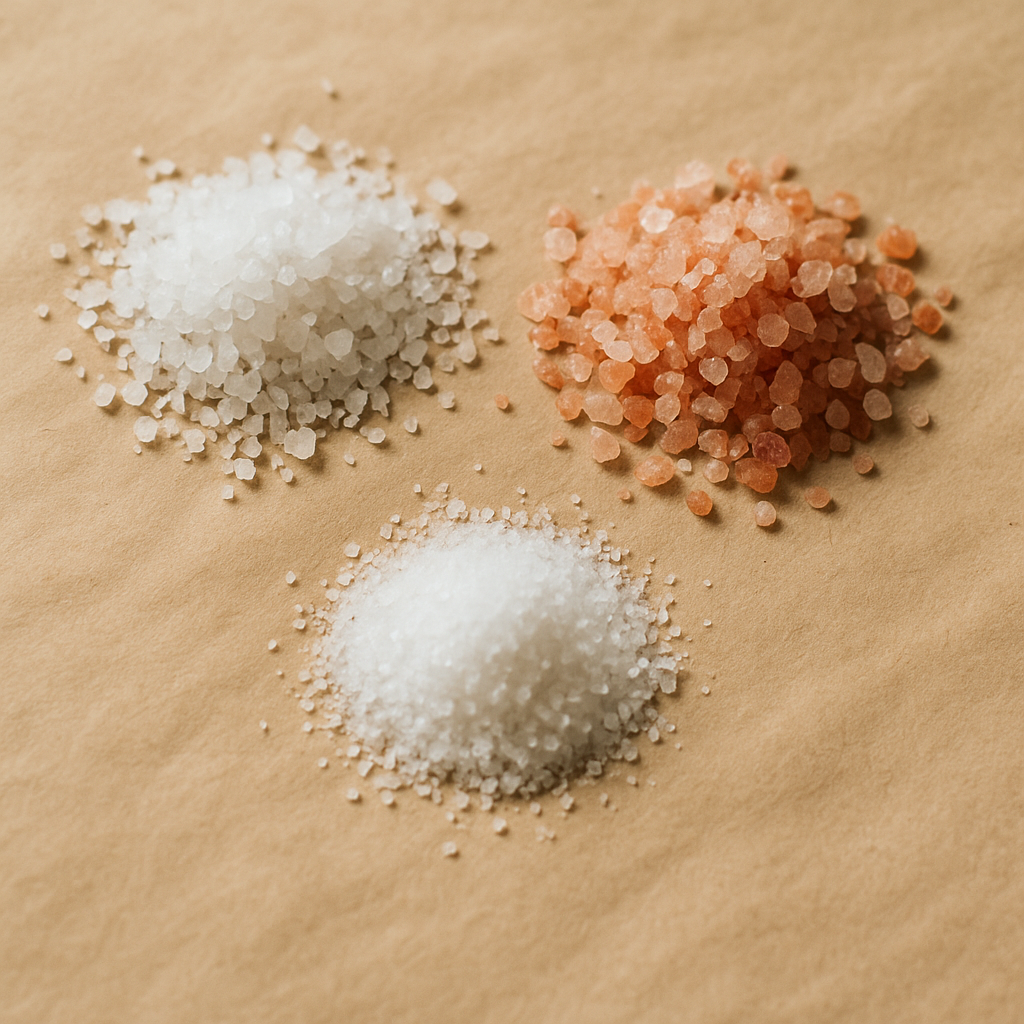
This is a common household salt that has been fortified with iodine. The addition of iodine helps to prevent iodine deficiency disorders, which can affect thyroid hormone production. This salt is finely granulated, making it easy to measure and dissolve in cooking and baking. It is a staple in most kitchens for everyday seasoning and food preparation.
How people cook with it
Salt is a fundamental ingredient used to enhance the flavor of nearly all savory dishes. It is also crucial in many baking applications for texture and taste.
- Seasoning meals
- Baking bread
- Curing meats
- Preserving foods
Iodized salt can be used in place of non-iodized salt in most recipes. It is commonly added during cooking to bring out the natural flavors of ingredients. In baking, it helps to balance sweetness and can affect the yeast activity. It is also used as a finishing salt to add a final touch of flavor to dishes before serving. For brining or curing, it is dissolved in water or used directly on the food. Its fine texture ensures it disperses evenly.
How it differs from similar foods
This salt differs from sea salt or kosher salt primarily in its iodine content and grain size. Sea salt and kosher salt are typically not iodized and may have larger, irregular crystals. The finer grain of iodized salt means it dissolves more readily and can be measured more precisely in recipes.
Who it is for
Home cooks and professional chefs use this salt for its flavor-enhancing properties and its role in preventing iodine deficiency.
How to keep the rest
To maintain its quality, store iodized salt in a cool, dry place in its original container or an airtight one. Moisture can cause the salt to clump, so avoid humid environments. Keeping it sealed will also help preserve its flavor and prevent it from absorbing odors from other foods.