
Grocery
Frozen Imitation Crab Meat
What it is
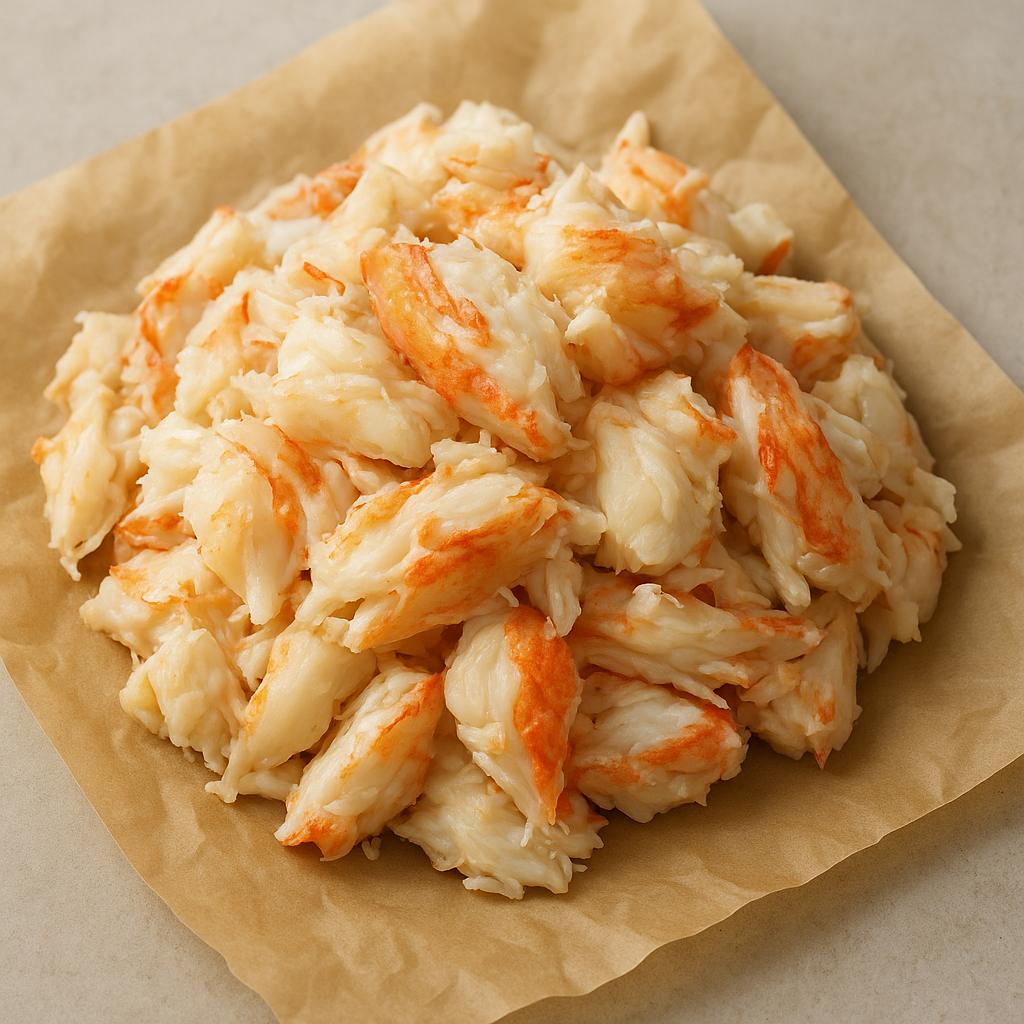
This product is a processed seafood item made primarily from white fish, such as pollock, that has been deboned, ground, and then formed to resemble the texture and appearance of real crab meat. It is often flavored with crab extract and colored with paprika or other natural colorings to enhance its visual appeal. It is typically sold frozen in various forms, including flakes, sticks, or chunks, offering a convenient and affordable alternative to fresh crab.
How people cook with it
Imitation crab meat is a versatile ingredient that can be used in a wide range of dishes, from appetizers to main courses.
- Salads
- Sushi rolls
- Casseroles
- Dips
Before using, it is best to thaw imitation crab meat completely in the refrigerator. Once thawed, it can be easily incorporated into your cooking. For salads, simply flake or dice it and mix with your favorite dressing and other ingredients. In sushi, it can be cut into strips and rolled with rice and seaweed. It also bakes well in casseroles and melts nicely into creamy dips, adding a seafood flavor without the high cost of real crab. Its mild flavor makes it adaptable to many culinary preparations.
How it differs from similar foods
Unlike real crab meat, which has a distinct sweet and briny flavor and a flaky, tender texture, imitation crab meat has a milder taste and a more uniform, slightly chewy consistency. It is also significantly more economical and readily available year-round, making it a practical choice for everyday cooking.
Who it is for
Home cooks and chefs looking for an accessible seafood option for various dishes.
How to keep the rest
Keep frozen imitation crab meat in its original packaging in the freezer until ready to use. Once thawed, store any unused portions in an airtight container in the refrigerator and consume within two to three days. Proper storage helps maintain its quality and prevent spoilage.