
Grocery
Sweet Onion
What it is
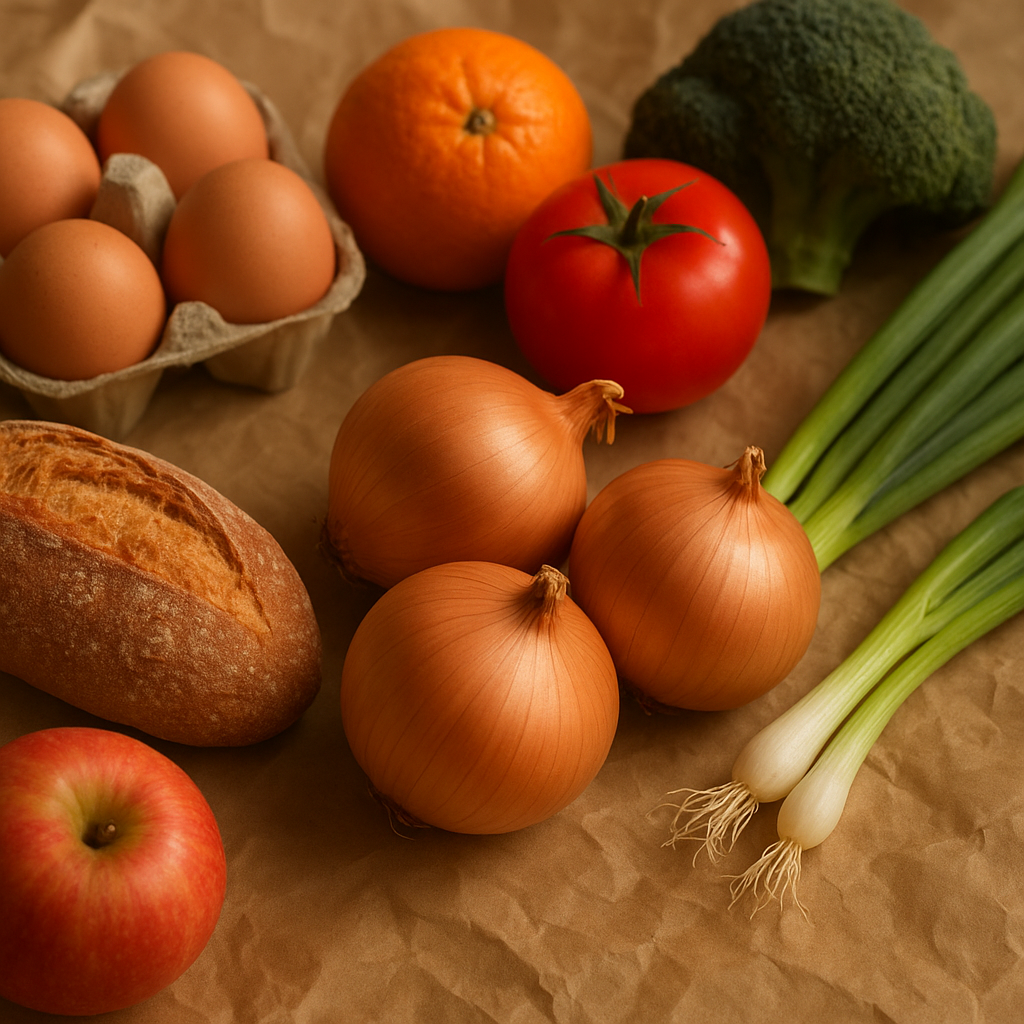
This is a large, globe-shaped onion with a mild, sweet flavor and a crisp texture. Its flesh is typically white or pale yellow. Unlike pungent onions, it contains less sulfur compounds, which contributes to its less sharp taste. The skin is thin and papery, usually a light golden brown. It is a versatile ingredient appreciated for its ability to add sweetness without overpowering other flavors in a dish.
How people cook with it
Sweet onions are excellent for raw applications and also caramelize beautifully when cooked. Their natural sugars make them a favorite for many cooking styles.
- Sliced raw on sandwiches
- Caramelized for toppings
- Grilled as a side
- Added to salads
When using raw, slice it thinly to incorporate into salads or stack on burgers and sandwiches. For cooking, it can be sliced into rings and breaded for onion rings, or cut into wedges and roasted. Slicing it into thick rounds and grilling them until tender and slightly charred brings out their natural sweetness. It also softens and sweetens considerably when slowly sautéed over low heat, making it ideal for French onion soup or as a base for sauces and braises. The layers separate easily for various preparations.
How it differs from similar foods
Compared to yellow or white onions, sweet onions have a significantly milder and sweeter taste due to their lower sulfur content. This makes them less likely to cause a burning sensation when eaten raw and allows their inherent sweetness to shine through when cooked without the need for added sugar.
Who it is for
Home cooks and professional chefs alike choose sweet onions for their pleasant taste and versatility.
How to keep the rest
To keep the rest of your sweet onion fresh, store it in a cool, dry, and well-ventilated place, away from direct sunlight. Do not store it in a plastic bag, as this can trap moisture and lead to spoilage. It can also be kept in the refrigerator for longer storage, but allow it to come to room temperature before slicing for the best flavor.