
Grocery
Russet Potatoes
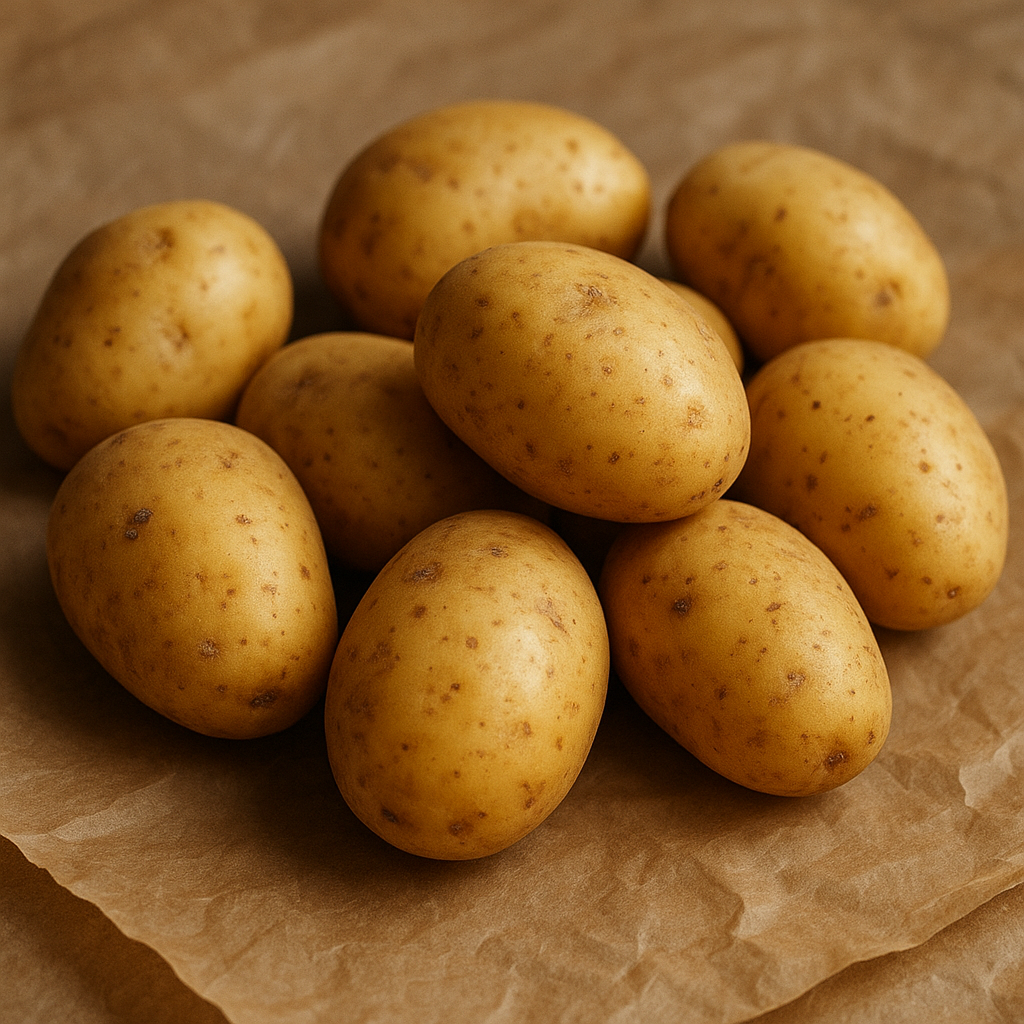
What it is
These are starchy tubers, a common staple in many kitchens. They have a rough, brown skin and a white, firm interior. Russets are known for their high starch content, which makes them ideal for certain cooking methods. They are a versatile vegetable that can be prepared in numerous ways, from simple boiling to more elaborate dishes.
How people cook with it
Russet potatoes are a foundational ingredient for many classic comfort foods. Their texture and flavor profile lend themselves well to a variety of culinary applications.
- Baking whole
- Mashing
- Frying
- Roasting
To prepare russet potatoes, begin by washing them thoroughly to remove any dirt. You can peel them or leave the skin on, depending on your preference and the recipe. For baking, prick the potatoes with a fork several times before placing them in the oven. When mashing, boil them until tender, then drain and mash with your desired additions. For frying, cut them into uniform shapes and cook until golden brown and crispy.
How it differs from similar foods
Compared to waxy potatoes, russets have a drier, fluffier texture when cooked due to their higher starch content. This makes them less suitable for potato salads where a firmer texture is desired, but excellent for absorbing flavors and becoming light and airy when mashed or fried.
Who it is for
Home cooks and professional chefs alike use russet potatoes for their reliable performance and classic appeal.
How to keep the rest
Store unwashed russet potatoes in a cool, dark, and well-ventilated place, such as a pantry or cellar. Avoid storing them in the refrigerator, as cold temperatures can convert their starches to sugars, affecting their flavor and texture. Keep them away from onions, as this can cause them to spoil faster.