
Grocery
Tapioca Flour for Baking and Cooking
What it is
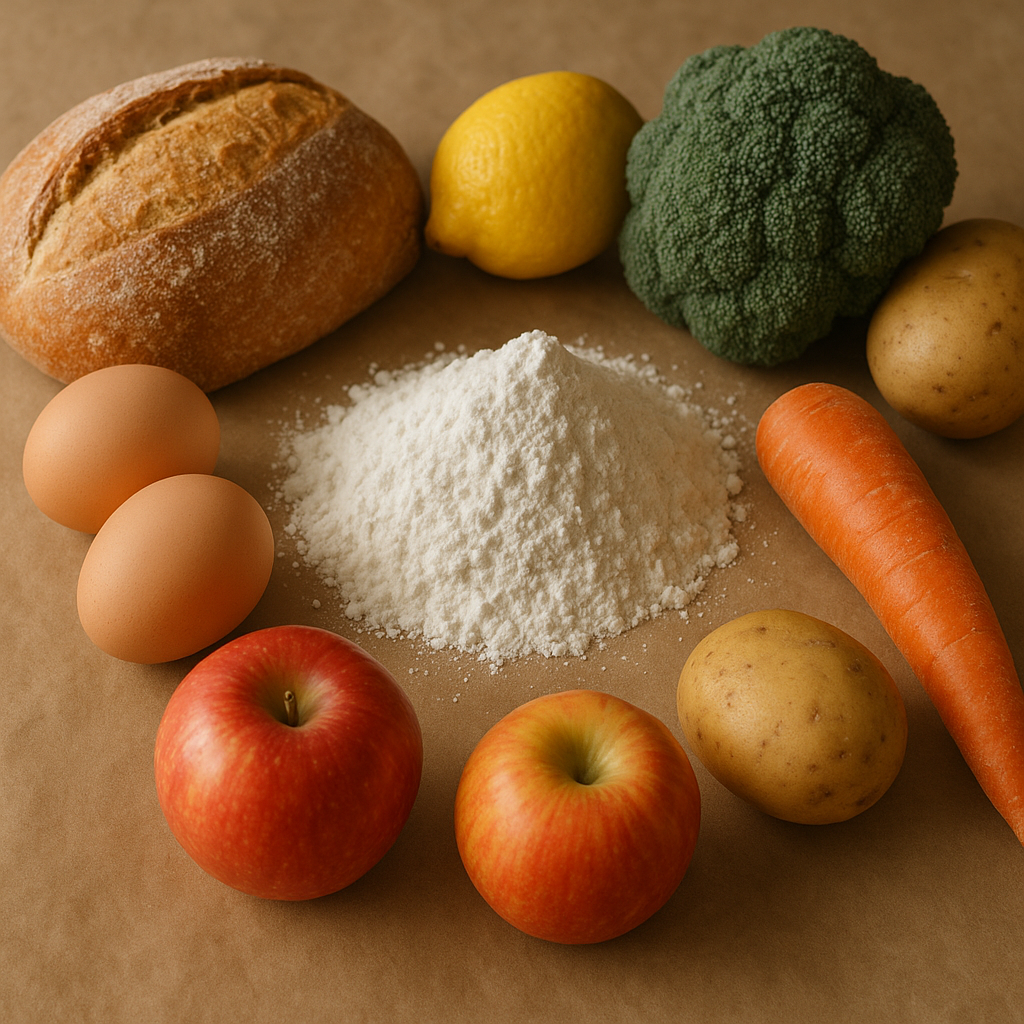
This is a fine, white powder derived from the cassava root. The cassava root is processed to extract its starch, which is then dried and milled into a powder. This fine texture makes it versatile in various culinary applications, contributing to both texture and binding properties in different dishes.
How people cook with it
Tapioca flour is a popular ingredient in both sweet and savory recipes. It is often used to thicken sauces and gravies, and to create a desirable texture in baked goods.
- Thickening sauces
- Creating chewy textures
- Binding ingredients
To thicken liquids, whisk tapioca flour with a small amount of cold water or other liquid to form a slurry before adding it to the hot liquid. Stir continuously until the mixture thickens. In baking, it can be used in combination with other flours to improve the texture of breads, cakes, and cookies. It helps create a lighter, more tender crumb and can add a pleasant chewiness to certain items. It is also a key ingredient in making traditional tapioca pudding.
How it differs from similar foods
Compared to cornstarch, tapioca flour creates a clearer, glossier sauce and can withstand higher temperatures without breaking down. It also imparts a slightly chewier texture than cornstarch, which can be desirable in certain baked goods and desserts.
How to keep the rest
Store the remaining tapioca flour in a cool, dry place in an airtight container. This will help prevent it from absorbing moisture and clumping. Properly stored, it can maintain its quality for an extended period.