
Grocery
Frozen Halibut Fillets
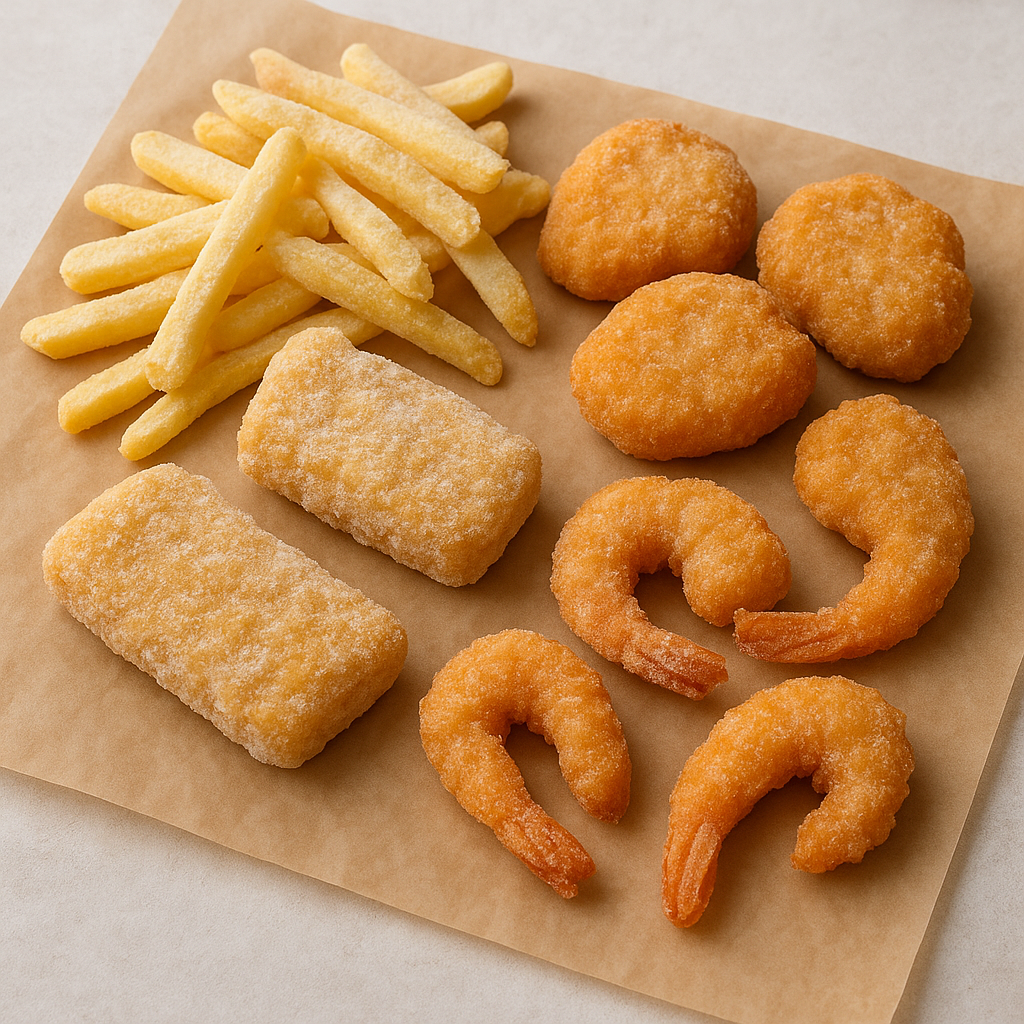
What it is
These are individually frozen halibut fillets, carefully selected for their mild flavor and firm, flaky texture. Halibut is a lean white fish known for its delicate taste, making it a versatile ingredient for many dishes. The freezing process helps preserve its freshness and quality until you are ready to cook it. Each fillet is typically boneless and skinless, offering convenience for home cooks.
How people cook with it
Frozen halibut is a convenient option for preparing elegant seafood meals at home. It can be cooked using various methods to suit your preference.
- Pan-seared for a crispy exterior
- Baked with herbs and lemon
- Poached in broth or wine
- Grilled for a smoky flavor
To prepare frozen halibut, it is best to thaw it slowly in the refrigerator overnight. For quicker thawing, you can place the vacuum-sealed package in cold water. Once thawed, pat the fillets dry with paper towels before cooking. This step is crucial for achieving a good sear or a nicely browned surface. Avoid overcooking, as halibut can become dry if cooked for too long. Aim for an internal temperature of 145°F (63°C).
How it differs from similar foods
Compared to fresh halibut, frozen fillets offer extended shelf life and the convenience of having fish readily available. The freezing process is done quickly to maintain the fish's texture and flavor, minimizing any significant difference from fresh when properly thawed and cooked.
Who it is for
Home cooks looking for a high-quality, mild white fish for weeknight dinners or special occasions.
How to keep the rest
Keep any unused thawed halibut in the refrigerator and cook within one to two days. If the fillets are still frozen, store them in the freezer at 0°F (-18°C) or below. Ensure the packaging remains sealed to prevent freezer burn.