
Nishiki
Nishiki Haiga Rice
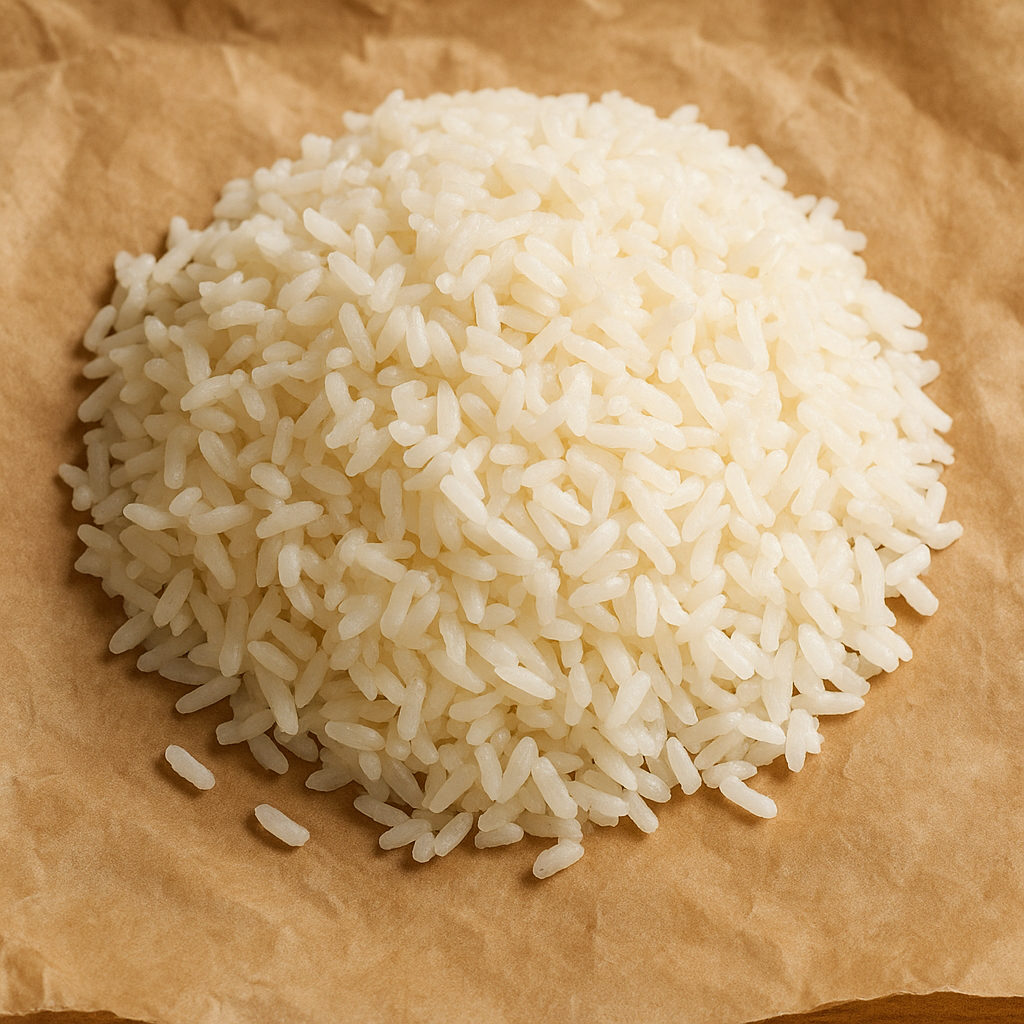
What it is
Haiga rice is a type of Japanese rice that has undergone a specific milling process. Unlike fully polished white rice, haiga rice retains a small portion of the rice bran, which is located just beneath the outer husk. This partial milling gives it a slightly different texture and flavor profile compared to standard white rice. It is often considered a good middle ground between brown rice and white rice, offering some of the benefits of brown rice without its sometimes tougher texture.
How people cook with it
This rice is a versatile staple that can be enjoyed in many Japanese dishes or as a side to various meals.
- Steamed as a side dish
- Used in sushi preparations
- Base for rice bowls
- Ingredient in savory porridges
To cook haiga rice, rinse the grains thoroughly under cold running water until the water runs clear. For every cup of rice, use approximately 1.2 cups of water. You can cook it using a rice cooker or on the stovetop. If using a stovetop, bring the rice and water to a boil, then reduce the heat to low, cover tightly, and simmer for about 15-20 minutes, or until the water is absorbed. Let it steam, covered, for another 10 minutes off the heat before fluffing.
How it differs from similar foods
Haiga rice differs from white rice by retaining a small amount of the rice bran, which contributes to a slightly nuttier flavor and a softer texture than brown rice. White rice is milled to remove all bran and germ, resulting in a milder taste and fluffier texture.
Who it is for
Home cooks looking for a rice option with a bit more character than standard white rice.
How to keep the rest
Store uncooked haiga rice in an airtight container in a cool, dry place. Once cooked, refrigerate any leftovers promptly in a sealed container. It is best consumed within a few days of cooking.