
Grocery
Fresh Guava Fruit
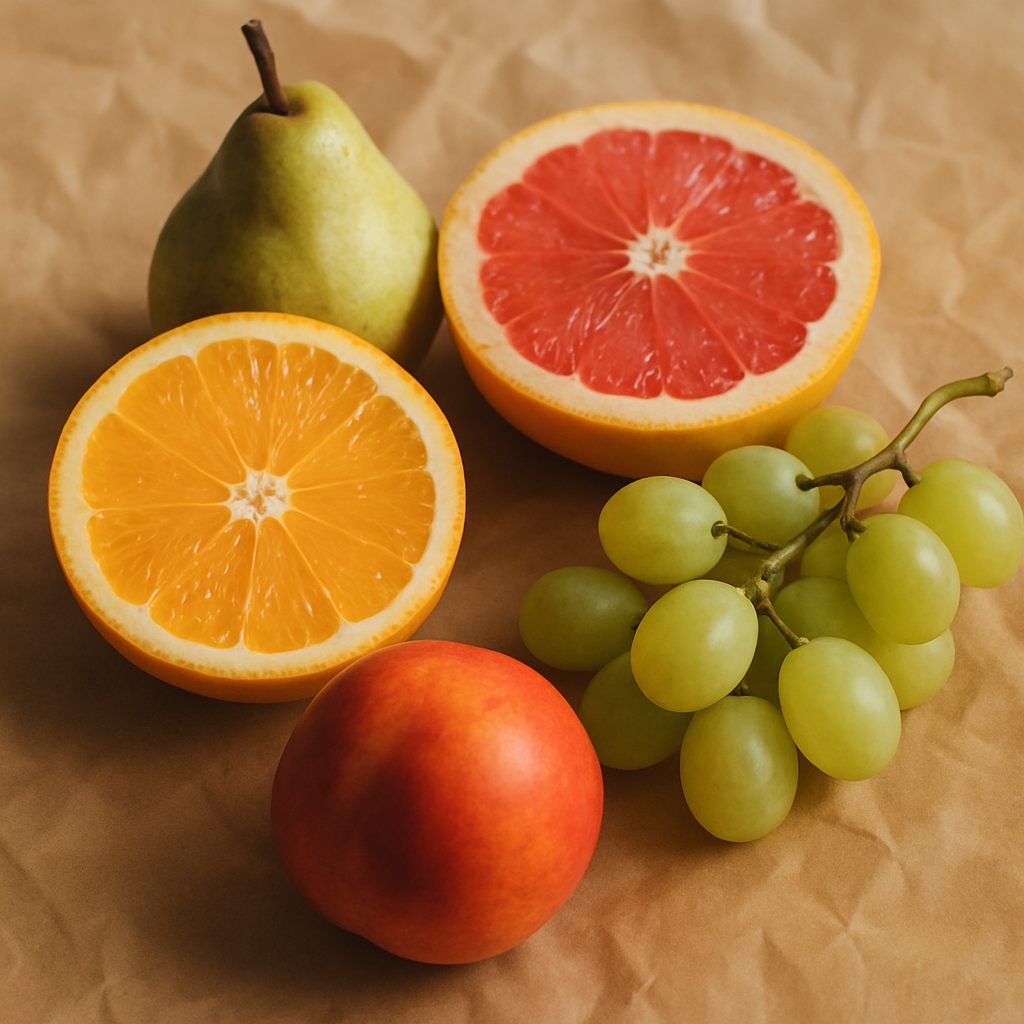
What it is
This is a fresh guava, a tropical fruit known for its distinctive aroma and flavor. Guavas come in various shapes and sizes, often round or oval. The flesh can range in color from white to pink or red, and it contains numerous small, edible seeds. The skin is typically green when unripe and may turn yellow as it ripens. Its texture can vary from firm to soft depending on ripeness and variety.
How people cook with it
Guava is a versatile fruit that can be enjoyed in many ways, both raw and cooked.
- Eaten fresh as a snack
- Added to fruit salads
- Blended into smoothies
- Used in jams and jellies
To prepare guava, wash it thoroughly under cool water. You can eat it whole, including the skin and seeds, or cut it in half and scoop out the flesh. Some people prefer to remove the seeds before consuming or using it in recipes. It can be sliced and added to breakfast bowls, blended into refreshing drinks, or cooked down to create sweet preserves. Its unique fragrance also makes it a delightful addition to baked goods or as a flavoring for sauces.
How it differs from similar foods
Compared to other tropical fruits, guava offers a unique combination of sweet and slightly tart flavors with a musky undertone. Its texture can be softer than an apple but firmer than a ripe banana. The presence of numerous small, edible seeds is also a distinguishing characteristic.
Who it is for
Home cooks and fruit enthusiasts who enjoy exploring diverse flavors will appreciate this tropical fruit.
How to keep the rest
To store fresh guava, keep it at room temperature until ripe. Once ripe, you can refrigerate it for a few days to slow down the ripening process. For longer storage, consider freezing the fruit after preparing it, such as by pureeing or slicing.