
Grocery
Green Tea Bags
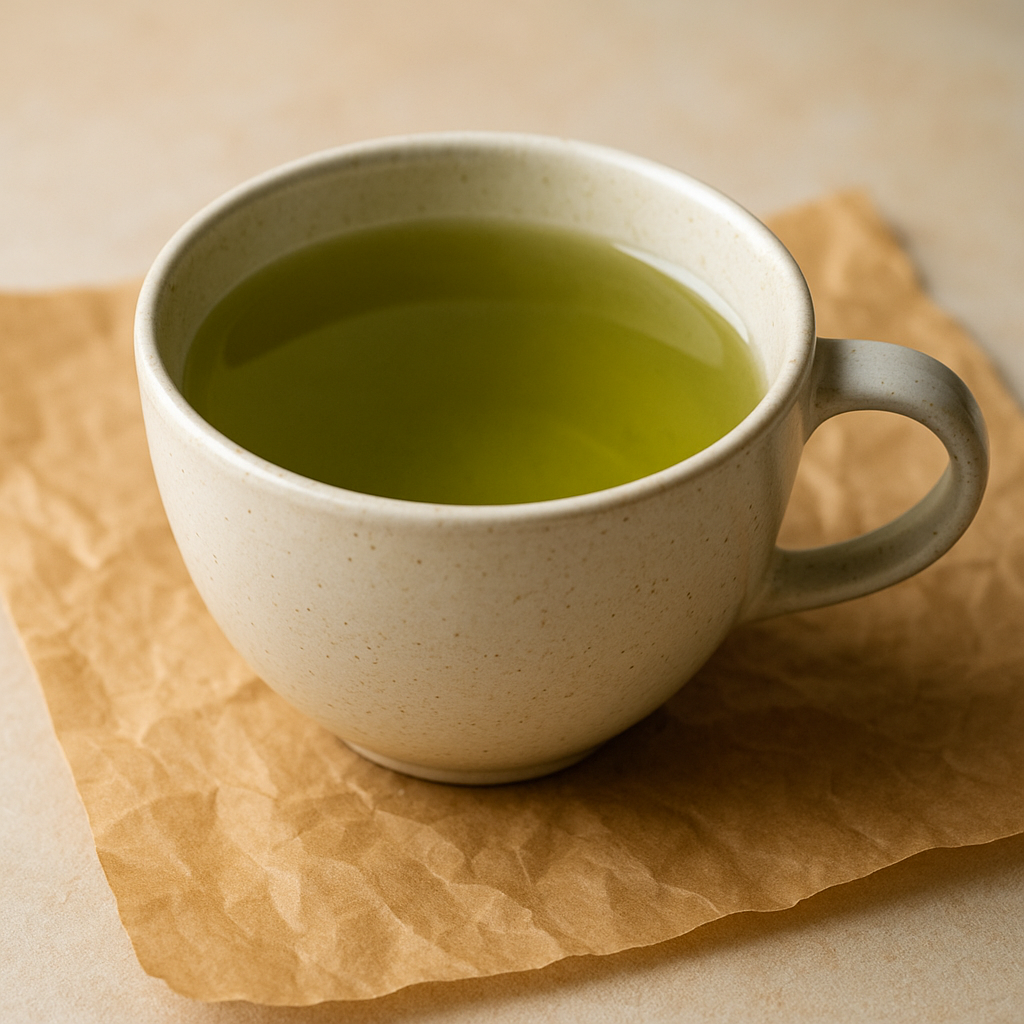
What it is
These are dried tea leaves that have been processed to prevent oxidation, resulting in a lighter color and a more delicate flavor compared to black tea. They are conveniently packaged in individual bags, making them easy to steep for a single serving. The leaves are typically sourced from the Camellia sinensis plant, the same plant that produces black and oolong teas, but the specific processing methods create distinct characteristics. This tea offers a refreshing and slightly vegetal taste profile.
How people cook with it
Green tea is a popular beverage enjoyed hot or cold. It can be prepared simply by steeping the tea bag in hot water.
- Brew a hot cup for a morning ritual.
- Chill for a refreshing iced beverage.
- Use as a base for smoothies.
- Incorporate into baked goods for subtle flavor.
To prepare a hot cup, place one tea bag in a mug. Pour hot, but not boiling, water over the tea bag. Allow it to steep for one to three minutes, depending on your desired strength. Remove the tea bag and enjoy. For iced tea, brew a stronger batch by using two tea bags per cup of hot water, then let it cool and serve over ice. You can add sweeteners or flavorings like lemon or mint if desired.
How it differs from similar foods
Green tea differs from black tea primarily in its processing. Black tea is fully oxidized, which develops bolder, maltier flavors. Green tea's minimal oxidation preserves a fresher, often more grassy or vegetal taste. Oolong tea falls in between, with partial oxidation creating a wider range of flavor profiles.
Who it is for
Anyone seeking a warm or cool beverage option can enjoy this tea.
How to keep the rest
To maintain freshness, store the remaining tea bags in their original packaging or an airtight container. Keep them in a cool, dry place away from direct sunlight and strong odors. This will help preserve the delicate aroma and flavor of the tea for future use.