
Grocery
Canned Green Beans
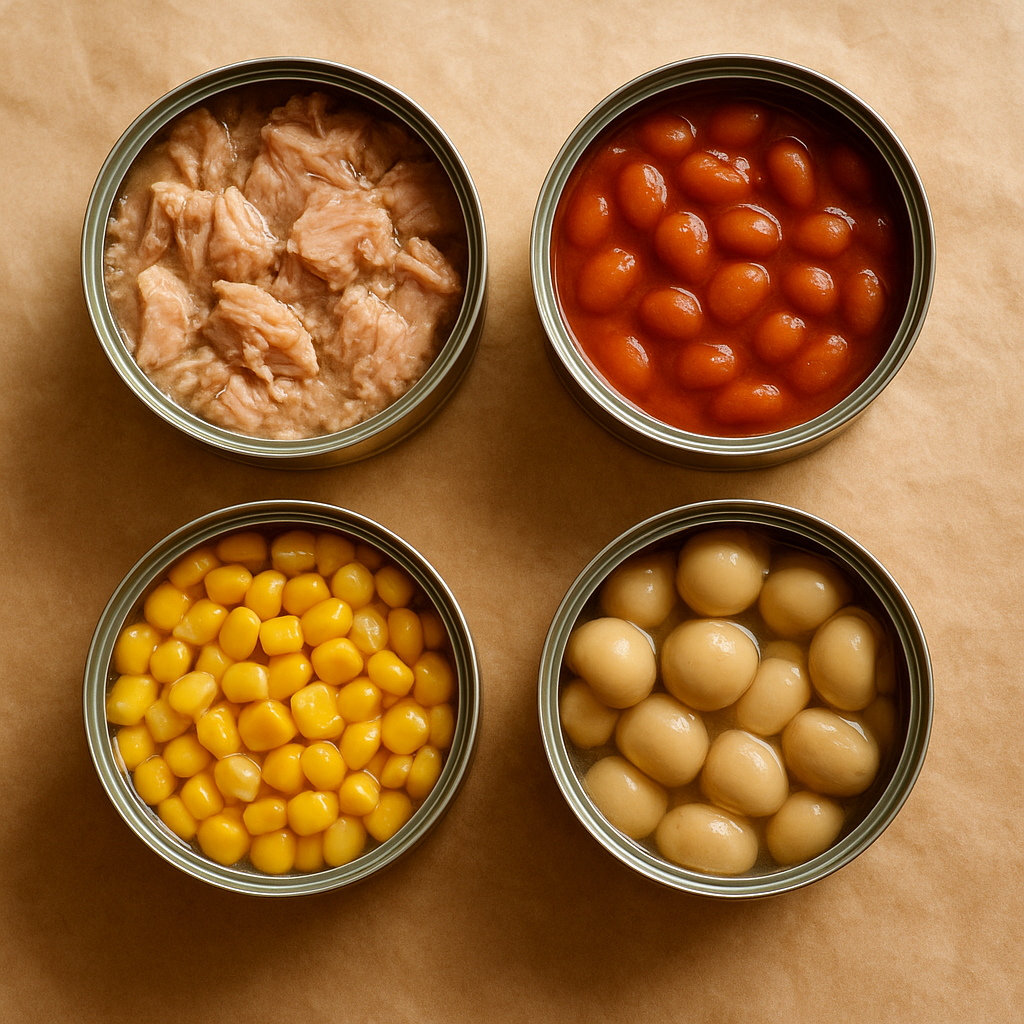
What it is
These are whole green beans preserved in a liquid, typically water or brine, and sealed in a can. The canning process cooks the beans and makes them shelf-stable for extended periods. They offer a convenient way to enjoy green beans without needing fresh produce. The texture is generally softer than fresh or frozen green beans due to the cooking and canning method.
How people cook with it
Canned green beans are a versatile pantry staple that can be quickly incorporated into various dishes. They are especially useful when time is limited or fresh ingredients are unavailable.
- Quick side dish
- Added to casseroles
- Mixed into soups
- Used in pot pies
To prepare canned green beans, it is best to drain them thoroughly to remove the canning liquid, which can sometimes impart a metallic or slightly off flavor. Rinsing the beans under cold water can further help to eliminate this. They can then be heated gently on the stovetop, perhaps with a little butter or seasoning, or added directly to recipes that will be cooked. Since they are already cooked, they do not require extensive cooking time.
How it differs from similar foods
Unlike fresh green beans, which are crisp and require cooking, canned green beans are pre-cooked and have a softer texture. Frozen green beans offer a texture closer to fresh but still require cooking, whereas canned beans are ready to eat after heating or rinsing.
Who it is for
Home cooks seeking convenience and pantry staples often choose canned green beans.
How to keep the rest
Store unopened cans in a cool, dry place away from direct sunlight. Once opened, transfer any unused green beans to a separate airtight container and refrigerate. Consume refrigerated leftovers within a few days for best quality.