
Gia Russa
Gia Russa Greek Pitted Kalamata Olives
What it is
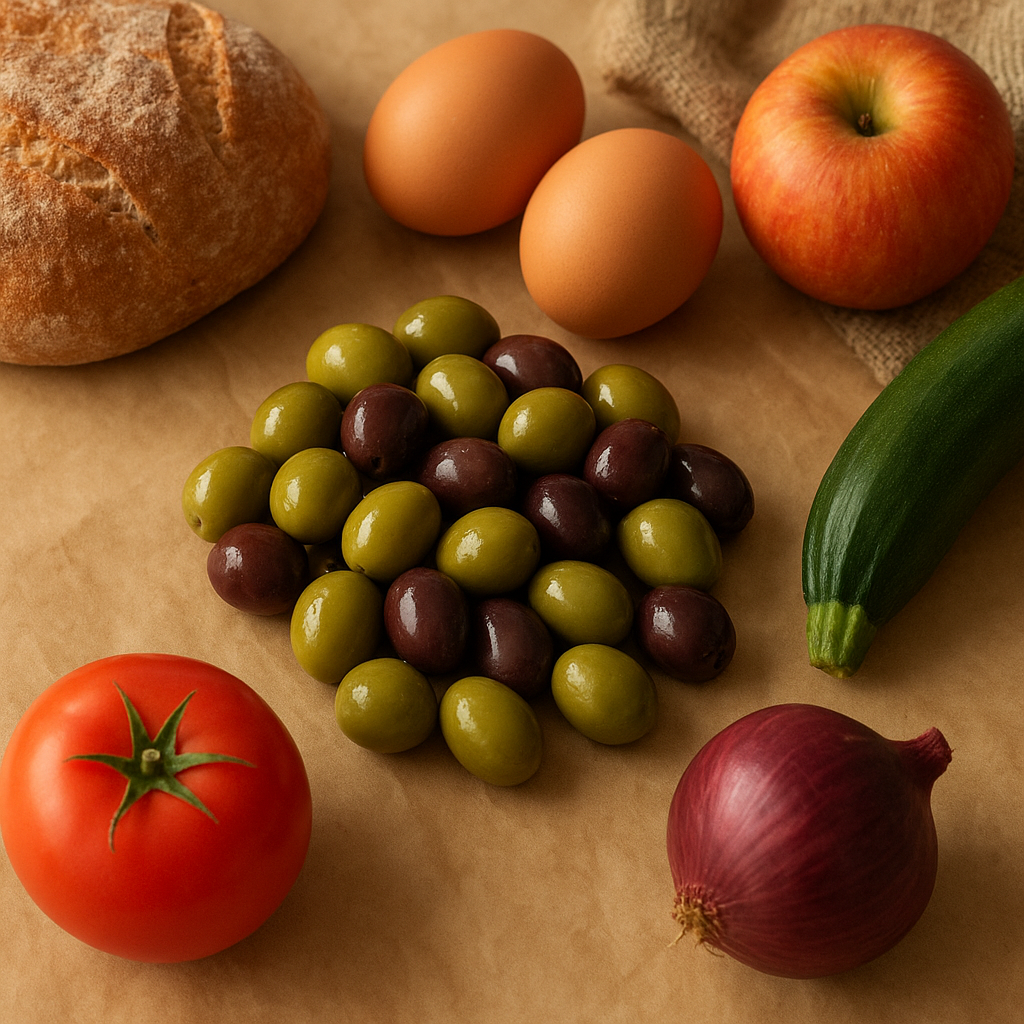
These are whole, pitted Kalamata olives from Greece, preserved in a brine. They are a popular variety known for their distinctive deep purple-black color and rich, fruity flavor. The pitting process makes them convenient for immediate use in various dishes. They are typically harvested from the Kalamata region of Greece, renowned for its olive cultivation. The brine helps maintain their texture and taste until opened.
How people cook with it
Kalamata olives are a versatile ingredient, adding a briny, savory depth to many meals. They are often enjoyed as a simple snack or incorporated into more complex culinary creations.
- Salads
- Appetizers
- Pasta dishes
- Pizza toppings
After opening the container, drain the olives from their brine. They can be used directly from the package in salads, pasta dishes, or as a topping for pizzas. For appetizers, they are often served alongside cheese and cured meats. They can also be chopped and added to dips, spreads, or used to garnish Mediterranean-inspired main courses. Their robust flavor stands up well to cooking, making them suitable for inclusion in stews or braises.
How it differs from similar foods
Compared to other table olives, Kalamata olives possess a more intense, fruity, and slightly smoky flavor profile. Their texture is generally softer than firmer varieties like Castelvetrano, and their characteristic deep purple hue is visually distinct. The brine they are packed in contributes to their unique taste.
Who it is for
Home cooks and professional chefs appreciate these olives for their authentic flavor and ease of use.
How to keep the rest
Once opened, transfer any unused olives to an airtight container and refrigerate them. Ensure the olives are submerged in their brine or a light olive oil to keep them moist and flavorful. They will remain fresh for about two weeks when stored properly in the refrigerator.