
Grocery
Grass Fed Organic Beef
What it is
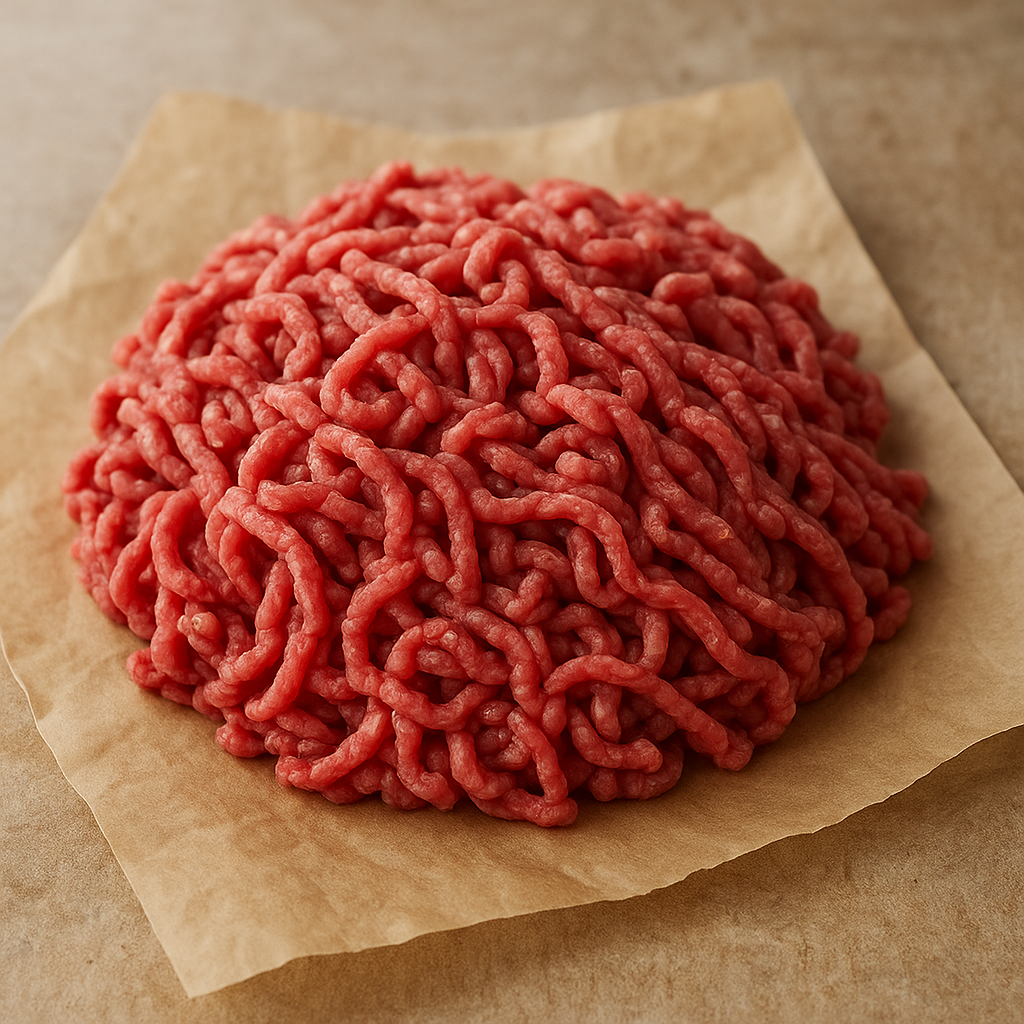
This is a package of beef that comes from cattle raised on a diet consisting solely of grass and other forage. The "organic" designation means the animals were raised without the use of synthetic pesticides, herbicides, or genetically modified organisms in their feed. This method of raising cattle is often associated with specific farming practices that prioritize animal welfare and environmental sustainability. The beef is typically sold in various cuts, ready for preparation.
How people cook with it
Beef is a versatile ingredient that can be prepared in many ways. It forms the base of countless dishes, from simple weeknight meals to elaborate celebratory feasts.
- Grilling steaks
- Braising roasts
- Sautéing for stir-fries
- Ground for burgers
When cooking grass-fed beef, it's important to note that it can be leaner than conventionally raised beef. This means it may cook faster and can become tough if overcooked. For cuts like steaks, a quick sear on high heat is often best to achieve a desirable crust while keeping the interior tender. Roasts benefit from slow, moist cooking methods like braising or stewing to break down connective tissues and ensure succulence. Ground beef can be used in any application where you would normally use regular ground beef, adjusting cooking times as needed.
How it differs from similar foods
Grass-fed beef generally has a different flavor profile compared to grain-finished beef. It is often described as having a more robust, earthy, or even slightly gamey taste. Due to its leanness, it can have a firmer texture and may require slightly different cooking techniques to prevent it from drying out.
Who it is for
Home cooks and culinary enthusiasts who appreciate the distinct flavor and farming practices associated with grass-fed organic beef.
How to keep the rest
To maintain freshness, store the grass-fed organic beef in its original packaging in the coldest part of your refrigerator. Ensure it is kept below 40°F (4°C). For longer storage, it can be frozen. Wrap it tightly in plastic wrap or place it in a freezer-safe bag, removing as much air as possible to prevent freezer burn.