
Grocery
Grass Fed Ground Lamb
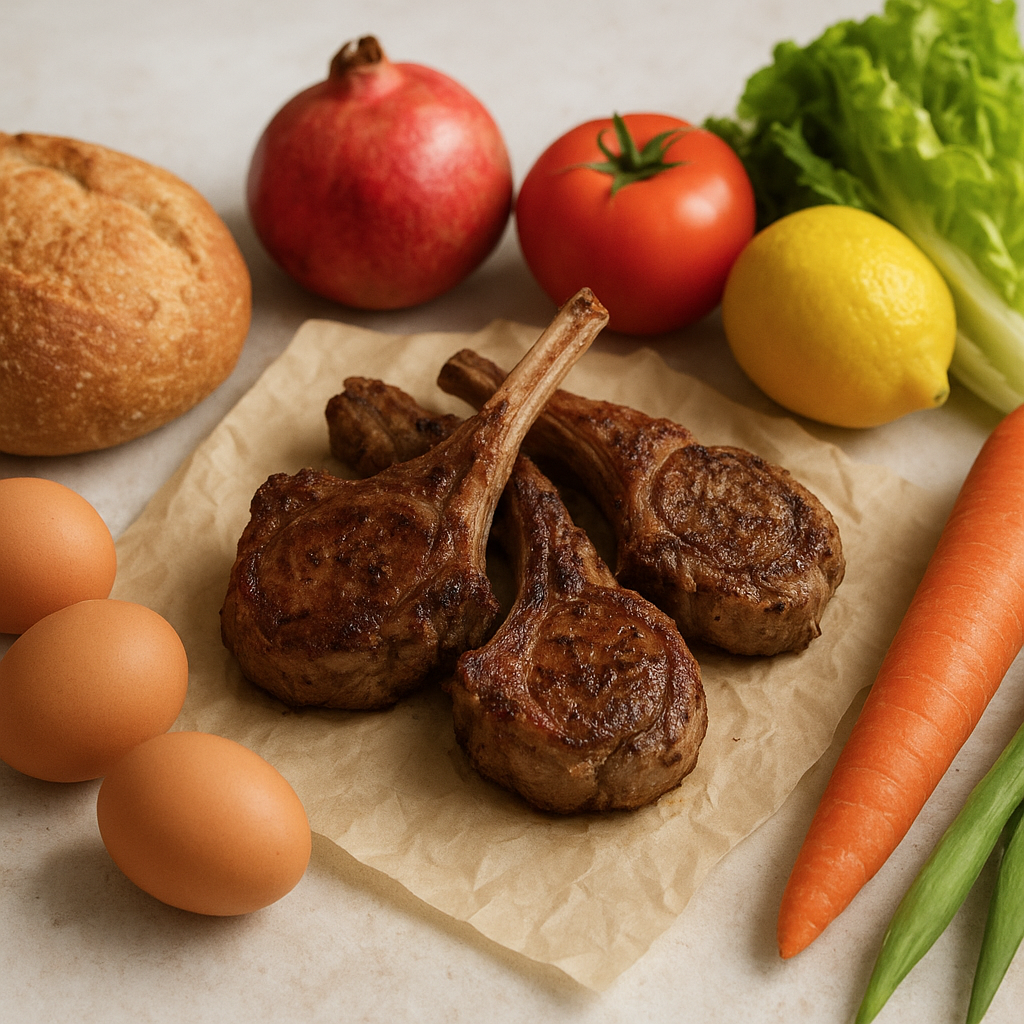
What it is
This is ground lamb sourced from sheep that have grazed on pasture. The meat is finely minced, making it versatile for a variety of dishes. It offers a distinct flavor profile that is often described as rich and slightly gamey, a characteristic that comes from the animal's natural diet. The fat content can vary, influencing how it cooks and the final texture of prepared meals.
How people cook with it
Ground lamb is a popular choice for creating flavorful meals that go beyond typical ground beef preparations.
- Forming into patties for burgers
- Mixing into sauces for pasta
- Stuffing vegetables like peppers
- Creating savory meatballs
When cooking with grass-fed ground lamb, it's important to manage its fat content. You can drain off excess fat after browning, especially if you are incorporating it into sauces or stews. For dishes like burgers or meatballs, the fat helps bind the mixture and adds moisture. It cooks relatively quickly due to its fine texture. Consider pairing its robust flavor with herbs like mint, rosemary, or oregano, and spices such as cumin or coriander to complement its taste.
How it differs from similar foods
Compared to ground beef, ground lamb typically has a more pronounced, earthy flavor. Its fat composition can also differ, sometimes leading to a richer mouthfeel. The grass-fed aspect often contributes to a cleaner, more distinct lamb taste, without the potential for feed-related off-flavors.
Who it is for
Home cooks looking to explore different meat options will find this ingredient appealing.
How to keep the rest
To keep the remaining grass-fed ground lamb fresh, store it in its original packaging or an airtight container in the coldest part of your refrigerator. It is best used within a few days of purchase. For longer storage, freezing is an option; wrap it tightly to prevent freezer burn.