
Grocery
Granulated Sugar
What it is
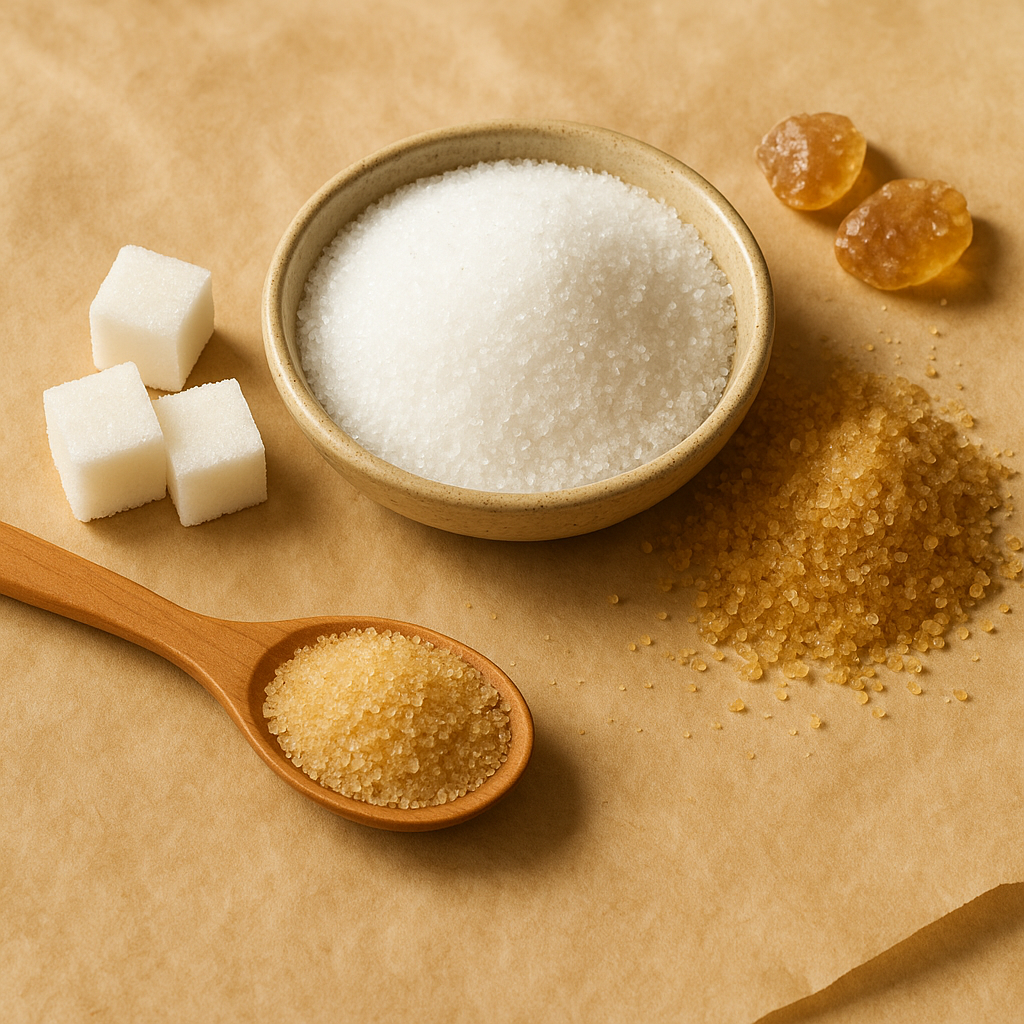
Granulated sugar is a common sweetener made from sugarcane or sugar beets. It consists of fine, white crystals that dissolve easily. This sugar is a staple in kitchens worldwide, used for a wide range of culinary applications. Its pure sweetness makes it a versatile ingredient for both sweet and savory dishes. The consistent crystal size ensures predictable results in baking and cooking.
How people cook with it
This sugar is a fundamental ingredient for sweetening beverages and baked goods. It also plays a role in balancing flavors in savory preparations.
- Sweetening coffee and tea
- Baking cakes and cookies
- Making sauces and glazes
- Caramelizing for desserts
Granulated sugar is typically measured by volume using cups or spoons for baking and cooking. It can be creamed with butter to create a base for cakes and cookies, providing structure and tenderness. When heated, it caramelizes, developing a rich, complex flavor and a deep amber color, which is essential for candies and glazes. In some savory dishes, a small amount can balance acidity or enhance other flavors.
How it differs from similar foods
Compared to powdered sugar, granulated sugar has larger, distinct crystals that do not dissolve as quickly. It is less fine than superfine sugar, which dissolves almost instantly. Brown sugar contains molasses, giving it a moist texture and a distinct caramel flavor, unlike the pure sweetness of granulated sugar.
Who it is for
Home cooks and professional bakers rely on granulated sugar for its consistent performance and sweetening power.
How to keep the rest
To maintain its quality, store granulated sugar in a cool, dry place in an airtight container. This prevents it from absorbing moisture, which can cause it to clump, or from picking up odors from other pantry items. Properly stored, it will remain free-flowing and usable for a long time.