
Grocery
Grade A Large Eggs
What it is
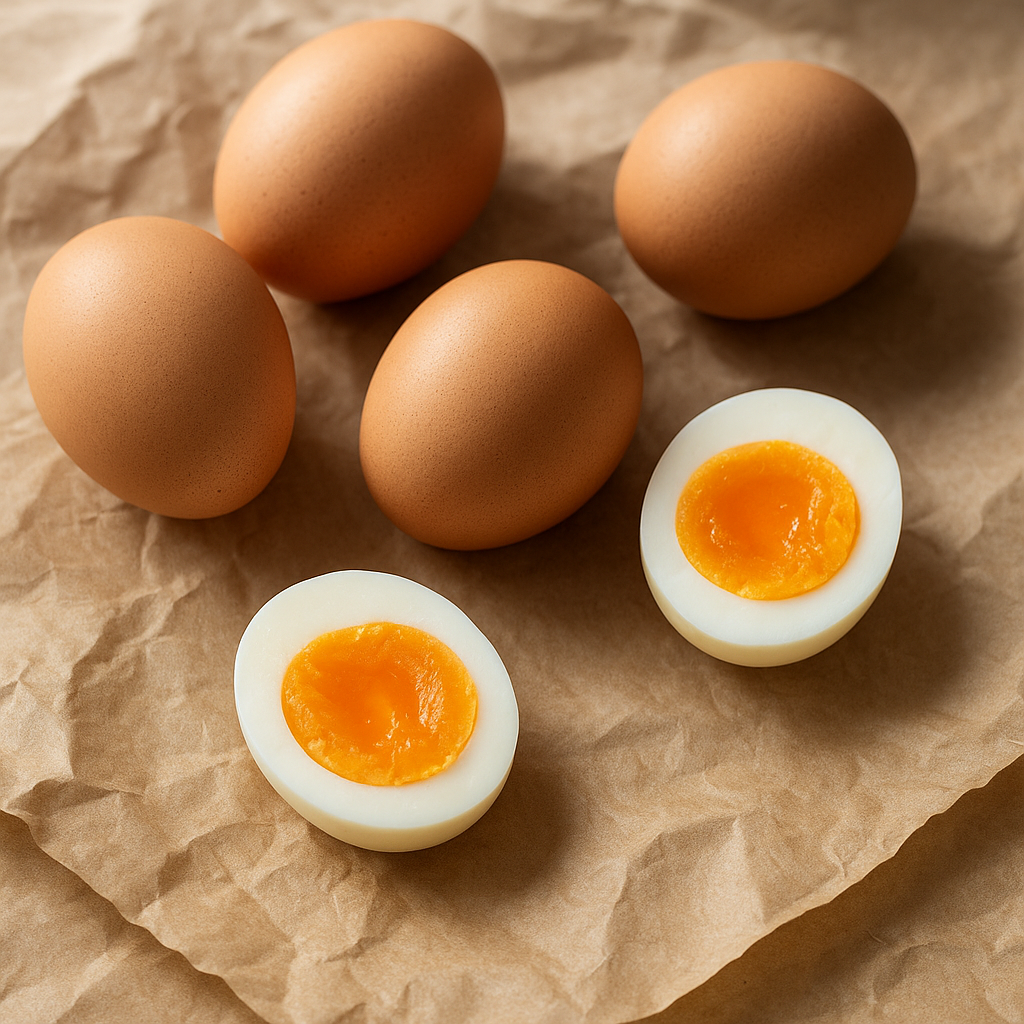
Grade A large eggs are a common staple in kitchens, known for their consistent quality and size. They are carefully inspected to ensure the shell is clean and unbroken, and the yolk and white are firm and well-centered. This grading system helps consumers select eggs that will perform reliably in various cooking applications, providing a familiar and dependable ingredient for everyday meals and baking.
How people cook with it
Eggs are incredibly versatile and can be prepared in countless ways.
- Scrambled for breakfast
- Fried for sandwiches
- Hard-boiled for snacks
- Baked into cakes
Eggs can be cooked using many methods. They can be gently whisked and cooked in a pan with a little butter or oil to create fluffy scrambled eggs. For a fried egg, they are cooked in a hot pan until the whites are set and the yolk is cooked to your preference. Hard-boiling involves simmering eggs in water until the yolk and white are solid, making them easy to peel and enjoy. They also act as a binder and leavening agent in baked goods, contributing to texture and structure.
How it differs from similar foods
Grade A eggs differ from lower grades primarily in their internal quality. The whites are thicker and the yolks are more centered and less likely to break. This visual difference translates to better performance in cooking, especially when poaching or frying, where a well-formed egg holds its shape more effectively.
Who it is for
Home cooks and professional chefs alike rely on eggs for their culinary flexibility.
How to keep the rest
To maintain freshness, store eggs in their original carton in the coldest part of your refrigerator, typically on a middle shelf. Avoid storing them in the door, where temperature fluctuations are more common. Keeping them in the carton also protects them from absorbing odors from other foods.