
Grocery
Frozen Salmon Fillets
What it is
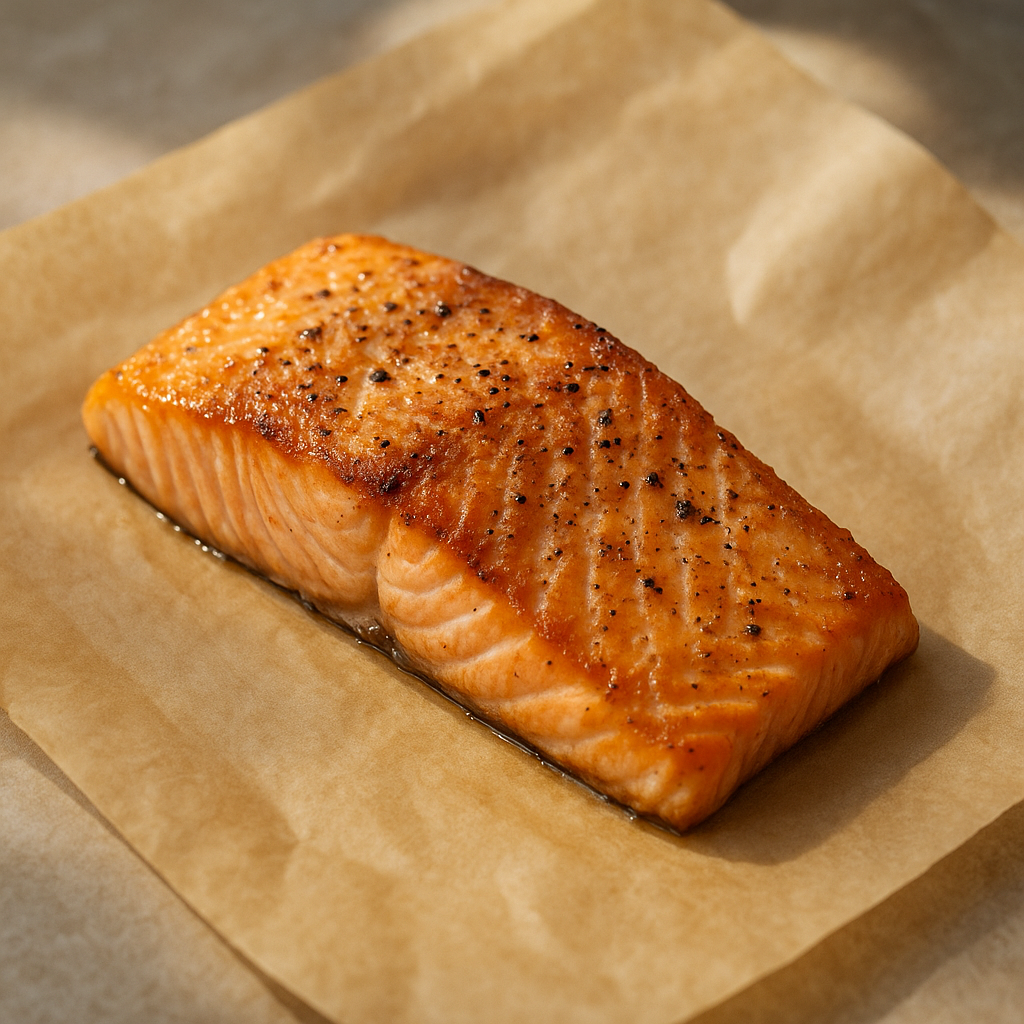
These are individually frozen salmon fillets, carefully selected and preserved at their peak freshness. They offer a convenient way to enjoy the rich flavor and texture of salmon without the need for immediate cooking. Each fillet is typically skin-on or skin-off, depending on the cut, and provides a good source of omega-3 fatty acids. The freezing process helps to maintain the quality and integrity of the fish, making it a reliable pantry staple for busy households.
How people cook with it
Frozen salmon fillets are incredibly versatile and can be prepared in numerous ways to create delicious meals.
- Baked with lemon and herbs
- Pan-seared for a crispy skin
- Grilled for a smoky flavor
- Added to salads or pasta dishes
To prepare frozen salmon fillets, it is best to thaw them slowly in the refrigerator overnight. For a quicker thaw, place the sealed package in a bowl of cold water. Once thawed, pat the fillets dry with paper towels. This step is crucial for achieving a good sear or crisp skin. You can then bake, broil, pan-sear, or grill the salmon. Season generously with salt, pepper, and your favorite herbs or spices before cooking. Avoid overcooking to ensure the salmon remains moist and flaky.
How it differs from similar foods
Compared to fresh salmon, frozen fillets offer extended shelf life and convenience. While fresh salmon requires immediate use, frozen salmon can be stored for much longer. The quality of well-frozen salmon is often comparable to fresh, especially when thawed properly. The primary difference lies in the preservation method and the flexibility it provides in meal planning.
Who it is for
Home cooks who appreciate the convenience and long-term availability of quality seafood will find these fillets useful.
How to keep the rest
Keep frozen salmon fillets in the freezer at 0°F (-18°C) or below. Once thawed, they should be cooked within one to two days and should not be refrozen. Store any unused portions in an airtight container in the refrigerator.