
N/A · 1 cup, sections
Fresh Small Lemon
What it is
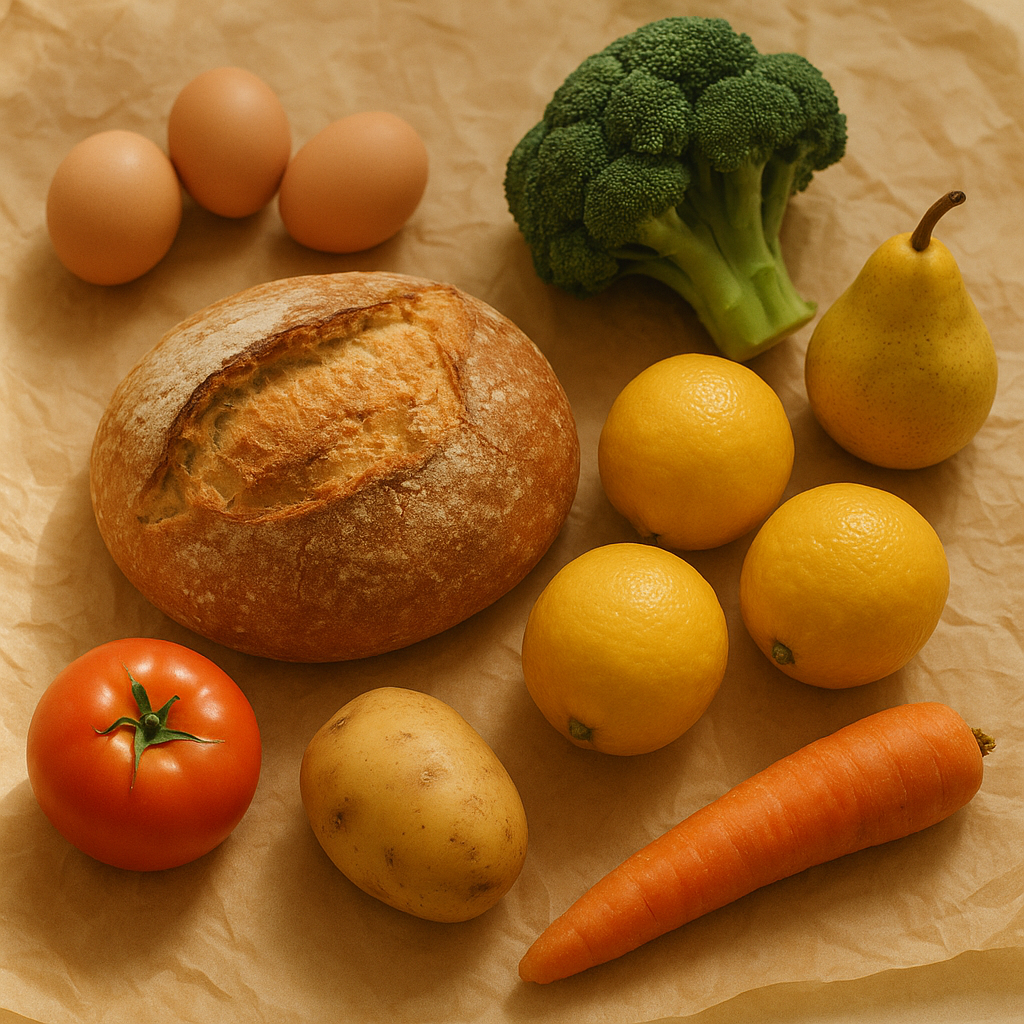
This is a single, small, fresh lemon. Lemons are a type of citrus fruit known for their bright yellow rind and tart, acidic juice. They grow on trees and are typically harvested when ripe. The flesh inside is segmented and contains seeds, though some varieties are seedless. The rind is fragrant and contains oils that add flavor and aroma to dishes.
How people cook with it
Lemons are incredibly versatile in the kitchen, adding a burst of freshness and acidity to both sweet and savory preparations.
- Zest for baking
- Juice for dressings
- Garnish for drinks
- Marinades for meats
To use a lemon, you can either juice it or zest it. For juice, cut the lemon in half and squeeze. A microplane or fine grater is best for zesting, which involves scraping off only the yellow outer layer of the rind, avoiding the bitter white pith underneath. The juice can be added directly to recipes or used as a finishing touch. The zest can be incorporated into batters, doughs, or sauces for a concentrated citrus flavor. Both juice and zest can be used in beverages, desserts, and savory dishes.
How it differs from similar foods
Compared to larger lemons, small lemons often have a higher juice-to-rind ratio, meaning you might get more juice for their size. Their rind can also be thinner, making zesting easier and yielding more fragrant oils with less effort.
Who it is for
Home cooks and professional chefs alike use lemons to brighten flavors.
How to keep the rest
To store the rest of your lemon, wrap it tightly in plastic wrap or place it in an airtight container in the refrigerator. This will help prevent it from drying out and keep it fresh for up to a week. For longer storage, you can freeze lemon juice in ice cube trays.