
Grocery
Fresh Navel Oranges
What it is
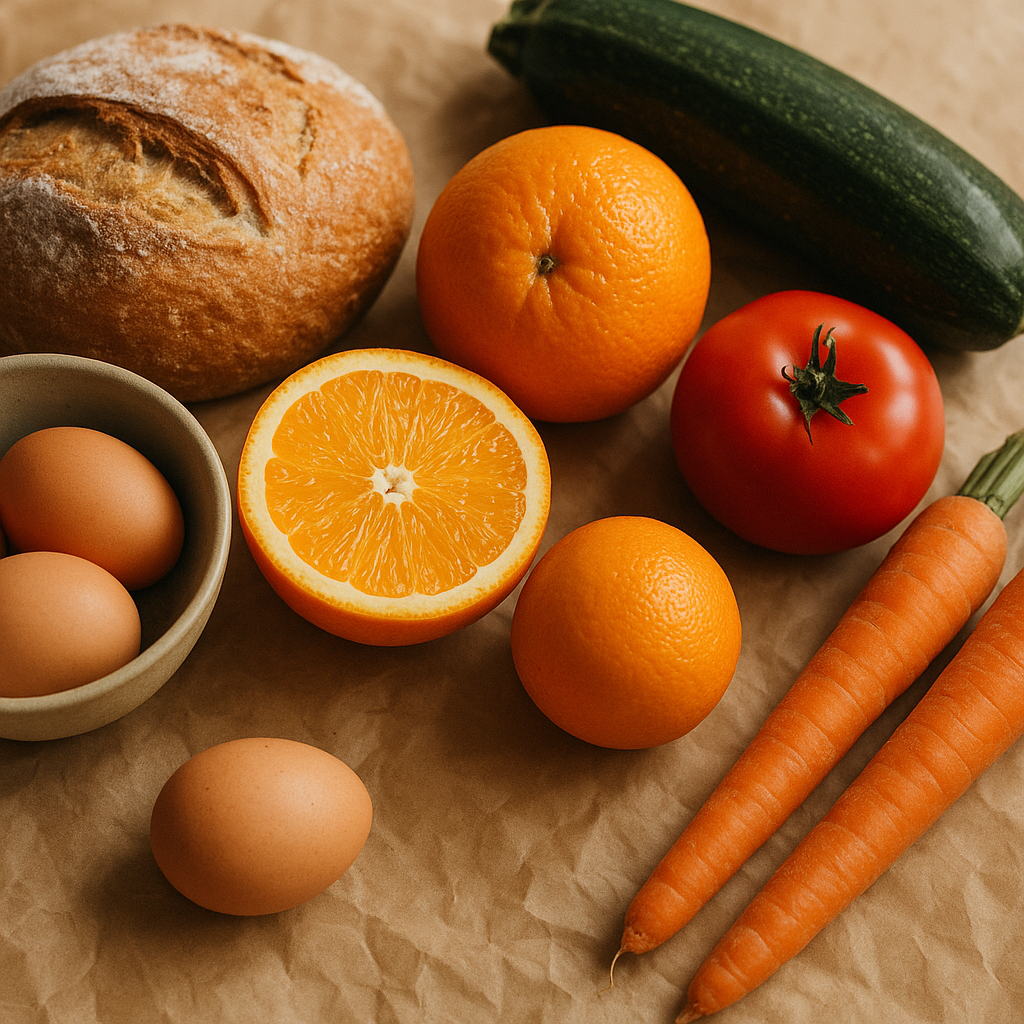
These are sweet, seedless citrus fruits with a thick, easy-to-peel rind. Navel oranges are known for their distinctive "navel"-like formation on the blossom end. They are a popular choice for their juicy flesh and balanced sweet-tart flavor. Their bright color and refreshing taste make them a versatile fruit for many occasions. They are typically round and firm to the touch.
How people cook with it
Navel oranges are a favorite for snacking and adding a burst of citrus to meals. Their natural sweetness makes them suitable for both sweet and savory applications.
- Juicing for breakfast
- Adding to salads
- Zesting for baking
- Eating as a snack
To enjoy a navel orange, begin by peeling back the thick rind. The segments can then be easily separated. They are perfect for eating out of hand as a healthy snack. For juicing, simply cut the orange in half and use a citrus juicer. The zest from the peel can be finely grated and added to baked goods, marinades, or sauces to impart a fragrant citrus aroma and flavor. The segments can also be incorporated into fruit salads or used as a garnish.
How it differs from similar foods
Navel oranges are distinguished by their seedless nature and the characteristic navel formation, which is a secondary fruit that develops within the primary fruit. This makes them easier to eat and juice compared to seeded varieties. Their sweetness is generally more pronounced than some other orange types.
Who it is for
Home cooks and families often choose navel oranges for their convenience and pleasant taste.
How to keep the rest
To keep the rest of your navel oranges fresh, store them in a cool, dry place, such as a fruit bowl on the counter or in the crisper drawer of your refrigerator. They will typically last for about a week to ten days when stored properly. Avoid washing them until you are ready to eat them.