
Grocery
Fresh Brussels Sprouts
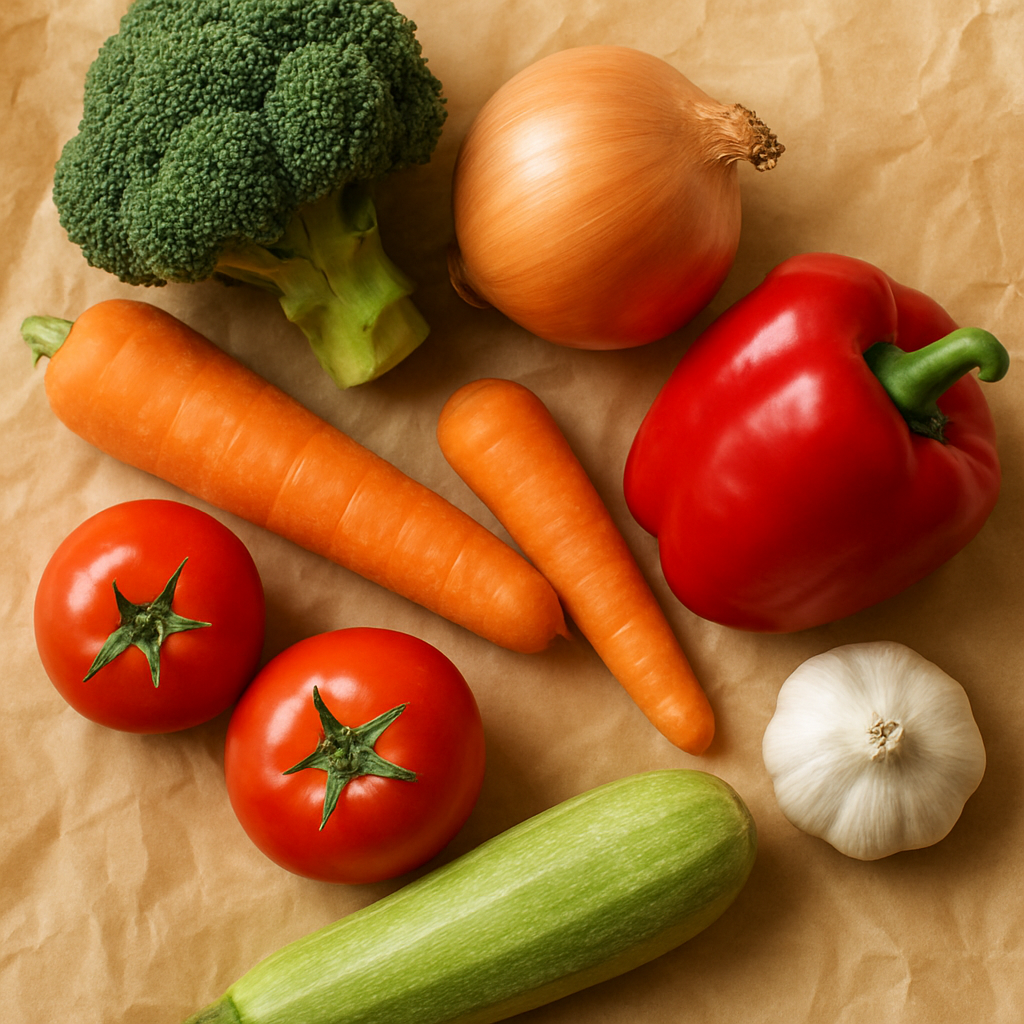
What it is
These are small, leafy green vegetables that grow in clusters along the stalk of a plant. They resemble miniature cabbages and have a slightly bitter, earthy flavor. Brussels sprouts are a versatile vegetable that can be prepared in many ways, offering a satisfying texture and taste. They are a common sight in grocery stores and farmers' markets, especially during cooler months.
How people cook with it
Brussels sprouts are a popular choice for roasting, sautéing, and steaming. They can also be enjoyed raw in salads or braised.
- Roasted until tender and slightly caramelized
- Sautéed with garlic and olive oil
- Steamed and tossed with butter
- Shredded raw for salads
To prepare Brussels sprouts, begin by trimming off the tough stem ends and removing any loose or discolored outer leaves. You can then leave them whole, halve them, or quarter them depending on their size and your cooking method. For roasting, toss them with oil, salt, and pepper and cook in a hot oven until they are tender and have crispy edges. They can also be added to stir-fries or simmered in broths. Their flavor deepens with cooking.
How it differs from similar foods
Compared to larger cabbage varieties, Brussels sprouts are much more compact and have a more concentrated flavor. Their texture when cooked can range from firm and slightly crisp to very tender and soft, depending on the cooking time. They are known for their distinct, sometimes slightly bitter taste, which can be mellowed by cooking methods like roasting.
Who it is for
Home cooks and chefs who enjoy preparing fresh, seasonal vegetables will find Brussels sprouts a valuable addition to their repertoire.
How to keep the rest
Store unwashed Brussels sprouts in a plastic bag in the refrigerator's crisper drawer. They will typically stay fresh for about one to two weeks. It is best to use them relatively soon after purchasing for optimal flavor and texture.