
Grocery
Classic French Baguette
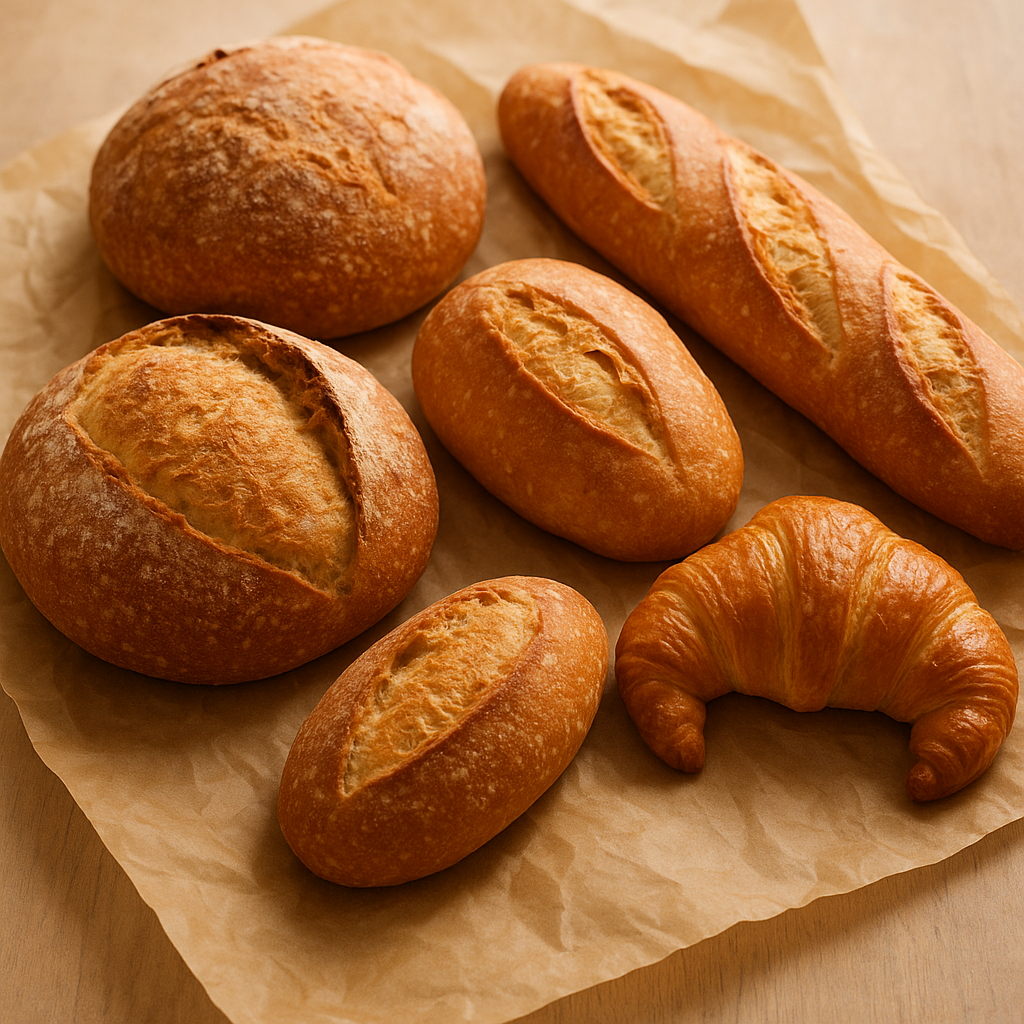
What it is
This is a long, thin loaf of bread, traditionally made with white flour, water, yeast, and salt. It has a crisp crust and a soft, airy interior. The crust is a key characteristic, achieved through specific baking methods that create a satisfying crunch when bitten into. Its simple ingredients highlight the quality of the flour and the fermentation process. It is a staple in many cuisines.
How people cook with it
This versatile bread is perfect for a variety of meals and snacks. Its neutral flavor makes it a great accompaniment to many dishes.
- Sandwich base
- Toasted for breakfast
- Served with soup
- Dipped in olive oil
To enjoy this bread at its best, it is often served fresh. It can be sliced and used as a base for sandwiches, piled high with your favorite fillings. For a delightful appetizer, slice it diagonally and toast it lightly, then rub with garlic and drizzle with olive oil. It also makes an excellent accompaniment to hearty soups and stews, providing a satisfying texture to soak up flavorful broths. Warm it slightly in the oven for an even crispier crust.
How it differs from similar foods
Compared to other breads, French baguette is known for its distinctively crisp crust and lighter, more open crumb. Other loaves might have a softer crust or a denser interior. The shape also contributes to its unique texture, with a larger surface area exposed to heat during baking.
Who it is for
Home cooks and professional chefs alike appreciate this bread for its classic appeal and adaptability.
How to keep the rest
To keep any leftover baguette fresh, it is best stored at room temperature in a paper bag, which allows the crust to maintain some of its crispness. Avoid refrigerating, as this can make the bread stale more quickly. For longer storage, consider slicing and freezing.