
Members Mark
Members Mark French Bread
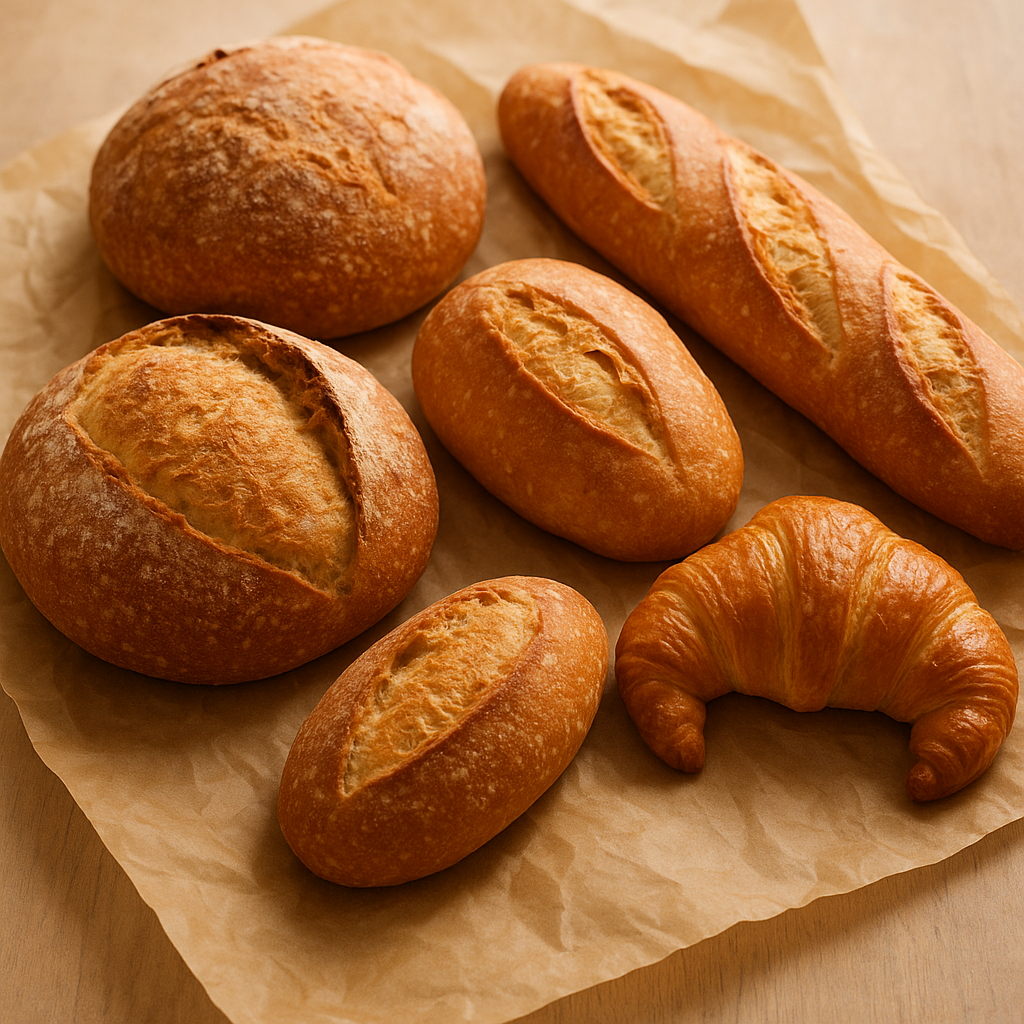
What it is
This is a long, crusty loaf of bread, typically made with a simple dough of flour, water, yeast, and salt. It has a characteristic golden-brown exterior and a soft, airy interior. The texture provides a satisfying crunch when fresh. It is a staple in many cuisines and is often enjoyed as a side or base for various dishes. Its straightforward ingredients highlight the quality of the bake.
How people cook with it
French bread is incredibly versatile in the kitchen. It serves as an excellent accompaniment to meals or as the foundation for creative culinary preparations.
- Dipped in soup
- Toasted for bruschetta
- Sandwich base
- Garlic bread
To best enjoy its texture, this bread is often served fresh or lightly warmed. For a crispier crust, you can toast slices under a broiler or in a toaster oven. It absorbs flavors well, making it ideal for soaking up sauces or being brushed with olive oil and herbs. When used for sandwiches, slicing it lengthwise allows for generous fillings. It can also be cubed and dried for croutons or breadcrumbs.
How it differs from similar foods
Compared to softer, enriched breads, French bread has a more pronounced crust and a lighter, more open crumb. This difference in texture comes from the lean dough and the baking method, which allows for significant expansion and a crispier exterior. It is less sweet and has a more neutral flavor profile.
Who it is for
Home cooks and professional chefs alike appreciate this bread for its classic appeal and adaptability.
How to keep the rest
To maintain its freshness, store any leftover bread at room temperature in a paper bag or a bread box. Avoid refrigerating it, as this can make the crust tough and the interior dry. For longer storage, it can be sliced and frozen.